


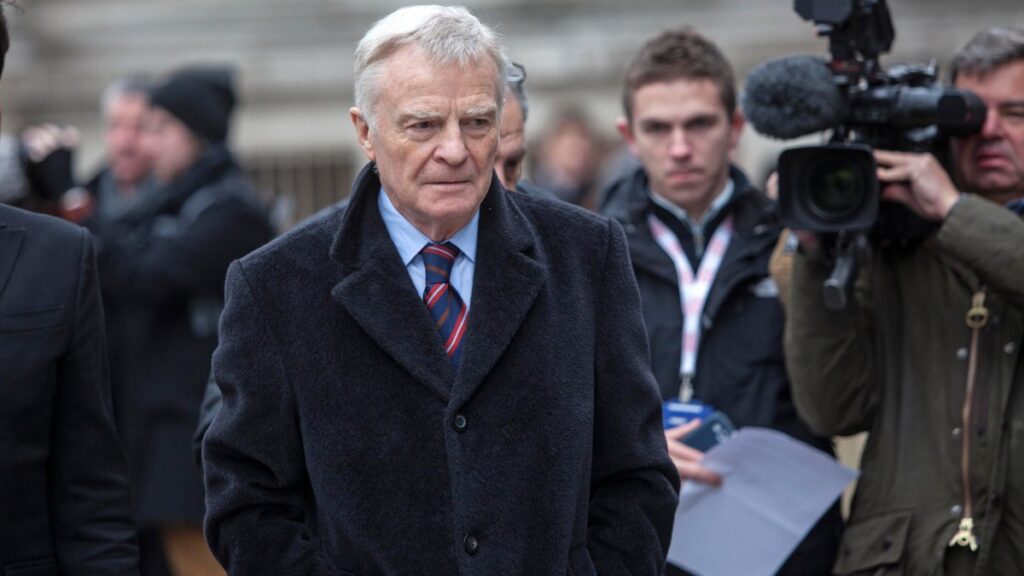
In a trial that has captured global attention, it was revealed that Max Mosley, a former Formula 1 executive, financially supported convicted phone hackers. The revelations came during the ongoing privacy case involving Prince Harry and other celebrities against Associated Newspapers, the publisher of the Daily Mail and Mail on Sunday. The trial, which is set to exceed £40 million in legal fees, has brought to light the intricate web of funding and investigations linked to phone hacking scandals.
Mosley became a prominent advocate for tighter press regulation following a 2008 privacy case against the now-defunct News of the World. The tabloid had reported that Mosley attended a sex party allegedly themed around Nazi imagery, a claim he denied. He won £60,000 in damages and attributed the subsequent media frenzy to the tragic death of his son, Alexander, from a drug overdose in 2009.
Unveiling the Network of Investigators
Graham Johnson, a key figure in the investigation, testified that his initial motivation was journalistic. However, the information he gathered now plays a central role in Prince Harry’s privacy lawsuit. Johnson, along with fellow legal researchers, has been instrumental in building the case against Associated Newspapers, which denies any wrongdoing.
Johnson disclosed that he secured funding from Mosley in 2015 to investigate the newspaper group. This funding included a £565,000 loan to establish a publishing and television company. The court heard that Johnson’s payments to investigators were often tied to book deals, and he followed legal advice to ensure compliance with rules regarding evidence payments.
Key Figures and Financial Transactions
The trial has shed light on the network of individuals involved in the phone hacking saga. Among them, Gavin Burrows admitted to hacking for Associated Newspapers, prompting several celebrities to join the legal action. Despite Burrows’ later claims of a forged witness statement, Associated Newspapers reportedly paid £91,955 for his legal advice and security.
Glenn Mulcaire, a former News of the World hacker, received £22,329, while Greg Miskiw, another convicted journalist, was paid £12,670.
Other investigators, such as Steve Whittamore and Christine Hart, were also compensated for their roles. Whittamore, convicted of breaching information laws, received £5,000, and Hart, who denies criminal activities, was paid £5,000. The intricate financial dealings underscore the complexity of the case.
Impact and Historical Context
The phone hacking scandal has long been a blemish on the British press, with significant legal battles and public outcry since it first came to light. The News of the World, once a leading tabloid, was shuttered in 2011 following revelations of widespread hacking. The current trial revisits these issues, highlighting the ongoing struggle for privacy in the digital age.
Max Mosley’s involvement adds a layer of intrigue, given his family’s controversial history. His father, Sir Oswald Mosley, led the British Union of Fascists in the mid-20th century. Despite this, Max Mosley became a vocal critic of media intrusion, a stance that has influenced the current legal proceedings.
Expert Opinions and Future Implications
Legal experts suggest that the outcome of this trial could set a precedent for future privacy cases. The involvement of high-profile figures like Prince Harry and the substantial legal costs underscore the stakes involved. Additionally, the trial highlights the ethical dilemmas faced by journalists and investigators in pursuit of stories.
“This case could redefine the boundaries of privacy and press freedom in the UK,” said a media law expert familiar with the proceedings.
The trial also raises questions about the role of funding in investigative journalism. With Mosley’s financial backing and contributions from other figures like actor Hugh Grant, the case exemplifies the complex interplay between money, media, and justice.
Looking Ahead
As the trial continues, the world watches closely for its implications on privacy rights and media practices. The revelations about Mosley’s funding and the network of investigators have already reignited debates about press regulation and accountability. The verdict, expected in the coming months, could have lasting impacts on the media landscape in the UK and beyond.
The trial serves as a reminder of the enduring tensions between public interest journalism and individual privacy, a balance that remains as contentious as ever in the digital era.