


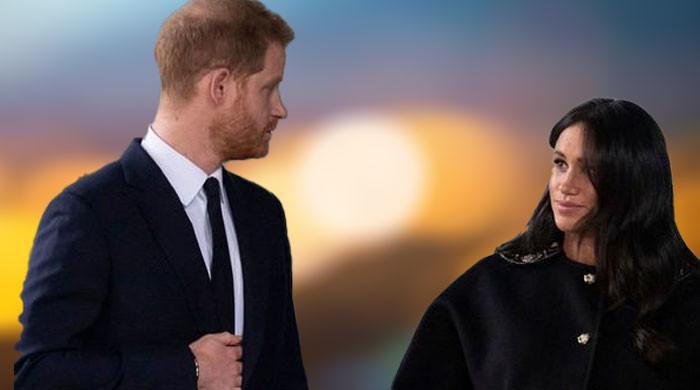
Prince Harry and Meghan Markle have faced a barrage of criticism from royal commentator Piers Morgan, who likened their popularity to the Ebola virus. This stark comparison comes as the couple continues to navigate their life in the United States, amidst ongoing tensions with the British royal family.
In a recent piece for The Daily Mail, Morgan did not hold back in his assessment of the Duke and Duchess of Sussex. He wrote, “The monarchy under King Charles is doing what monarchy does – enduring, calmly above the fray,” contrasting it with “Brand Sussex, meanwhile, is now about as popular as Ebola.”
Piers Morgan’s Critique and Personal Reflections
Morgan’s critique extends beyond the couple’s public image. He reflected on the personal and professional repercussions he faced after criticizing Harry and Meghan, including losing his position as a breakfast television host. His commentary paints a broader picture of the cultural climate at the time.
“We were in the age of endlessly offended cancel culture, when everybody was assumed guilty until proven innocent, especially on socially sensitive matters like race or mental health. Self-certifying as a victim – as Harry and Meghan so publicly did – meant your truth was gospel,” Morgan stated.
He further criticized the era as one where “wokeness was the denial of facts, reason, science and logic whenever they were inconvenient,” suggesting that debate was suppressed and dissenting voices were silenced.
Changing Cultural Dynamics
Morgan’s comments also reflect a perceived shift in cultural dynamics. He argued that the era of “outrage, super-sensitivity and censorship” is coming to an end, replaced by what he describes as “straight-talking common sense ideas.”
“As a result, I don’t think the reaction to Harry and Meghan’s damaging allegations about the royal family would be anywhere near as unquestioning and sympathetic if the same interview happened today,” he added.
The commentator suggests that the couple’s strategy of embracing a narrative of victimhood may have been a calculated move, implying, “riding a woke wave of self-pitying martyrdom may have been the only smart thing the Sussexes have ever done.”
Background and Broader Implications
The criticism from Morgan is not isolated. It forms part of a larger narrative surrounding the couple’s departure from royal duties and their subsequent media ventures. Since stepping back from their roles as senior royals in 2020, Harry and Meghan have been vocal about their experiences, including allegations of racism and mental health struggles within the royal family.
These revelations, particularly during their high-profile interview with Oprah Winfrey, sparked widespread debate and divided public opinion. While some applauded their candor, others, like Morgan, viewed their actions as damaging to the monarchy.
Expert Opinions and Historical Parallels
Experts in royal affairs note that the Sussexes’ situation is unprecedented in modern royal history. Dr. Anna Whitelock, a historian specializing in the British monarchy, explains, “The royal family has always been a symbol of continuity and stability. Harry and Meghan’s departure and subsequent revelations challenge that image, creating a new dynamic.”
Historically, the British monarchy has weathered numerous scandals and controversies, often emerging with its reputation intact. The current situation, however, is complicated by the global reach of media and the immediacy of social media platforms, which amplify every statement and action.
Looking Ahead
As the cultural landscape continues to evolve, the public’s perception of Harry and Meghan may shift once more. The couple remains active in various philanthropic endeavors and media projects, suggesting that their influence is far from waning.
Meanwhile, the British royal family under King Charles III appears to be focusing on maintaining stability and tradition, navigating the challenges of modernity while upholding centuries-old customs.
The ongoing discourse surrounding the Sussexes highlights broader societal debates about identity, privilege, and the role of the monarchy in contemporary society. As these discussions unfold, the world will be watching closely to see how all parties involved adapt and respond.