
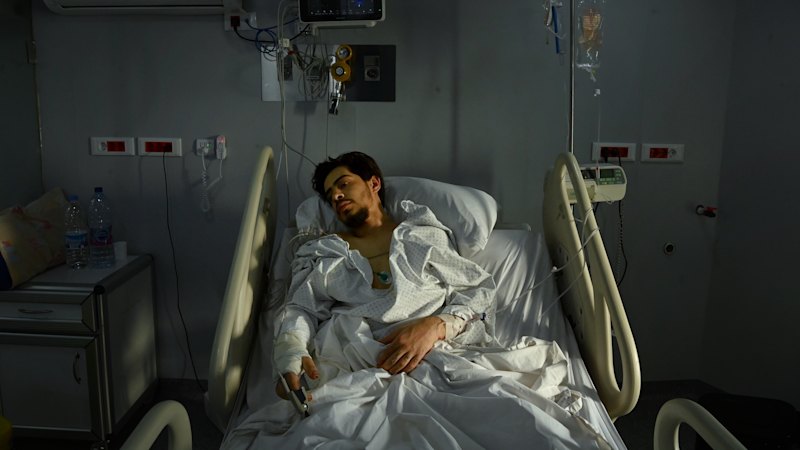



Adults over 65 are experiencing a significant rise in emergency hospitalizations for cardiovascular and respiratory diseases during and after power outages, according to a new study by Heather McBrien of Columbia Mailman School of Public Health and colleagues. Published on March 12 in the open-access journal PLOS Medicine, the study highlights the health risks posed by power failures, which are becoming more frequent and prolonged due to severe weather events linked to climate change.
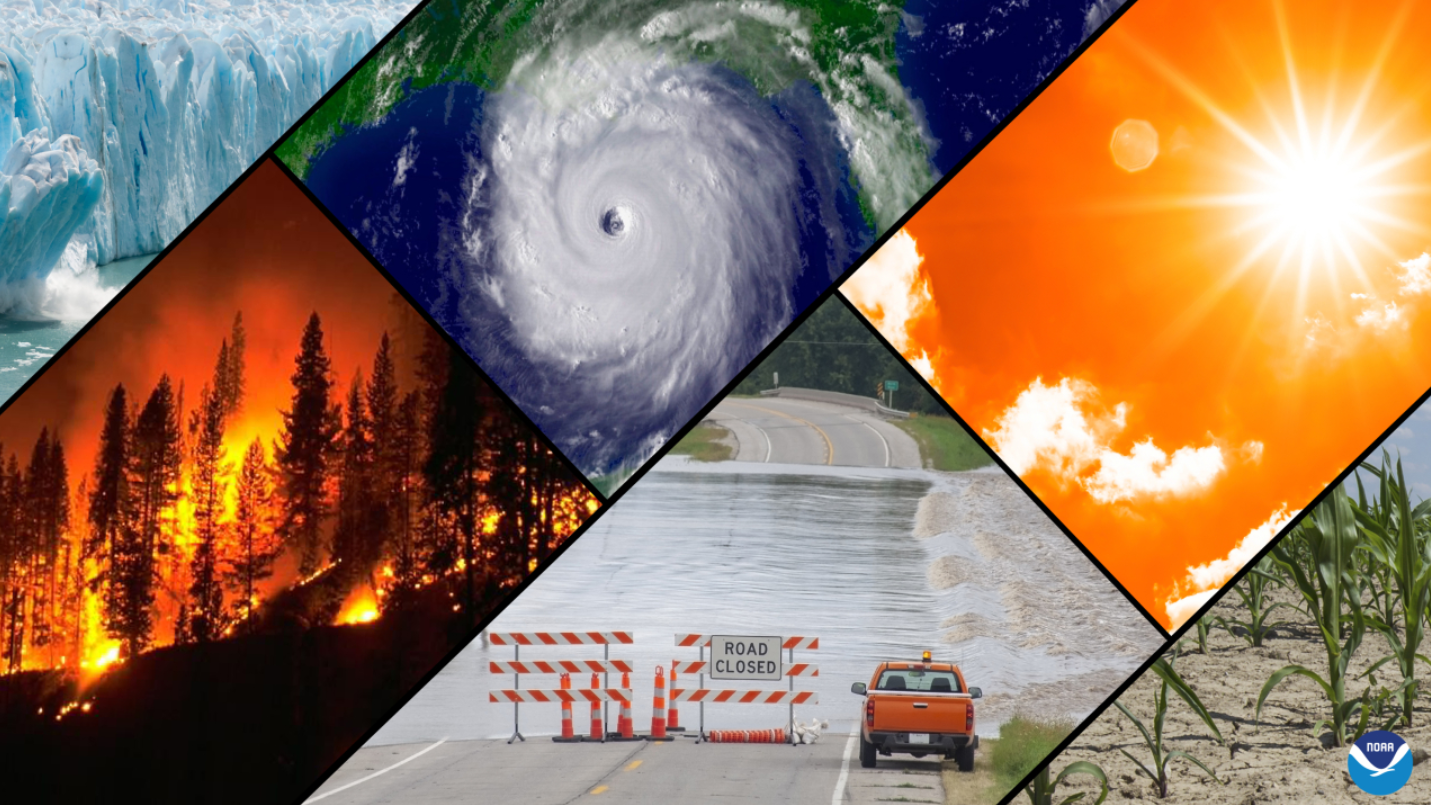
In the United States, the increasing frequency and duration of power outages have been attributed to climate change-induced severe weather and an aging electrical grid. Prior research from New York State indicated a potential link between power outages and increased hospitalizations for cardiovascular and respiratory diseases among older adults. However, national-level data was previously insufficient to confirm these findings.
Study Findings and Implications
The recent study analyzed power outages across the country in 2018, using data from 23 million Medicare beneficiaries to estimate daily emergency hospitalization rates. Researchers discovered that outages lasting more than eight hours were associated with a rise in hospitalizations among older adults for both cardiovascular and respiratory diseases. Notably, respiratory-related hospital visits peaked on the day of the outage, while cardiovascular issues were more prevalent the following day.
“We found that across the United States, power outages were related to increased risk of hospitalizations among older adults for cardiovascular and respiratory causes,” the authors noted.
The study estimates that in 2018 alone, power outages contributed to an additional 4,246 hospitalizations among adults over 65. This alarming figure underscores the urgent need to improve the reliability of electric grids to safeguard community health and protect vulnerable populations.
Potential Solutions and Recommendations
To mitigate the health risks associated with power outages, the researchers suggest several interventions. These include enhancing the reliability of electric grids and providing backup batteries for medical devices and cellphones. Additionally, generators for air conditioners and heaters could offer critical protection for older adults during outages.
“Power outages are increasing due to climate change-related severe weather and an aging grid. Finding ways to prevent power outages could protect the health of older adults,” the study emphasizes.
While the current study focused on county-level power outages, future research examining individual-level data could yield a more nuanced understanding of the health risks involved. Such insights could inform targeted interventions to protect at-risk populations.
Broader Context and Challenges
This development follows a broader pattern of climate change-related health challenges. As severe weather events become more common, the downstream consequences, such as increased hospitalizations and mortality, are becoming increasingly apparent. The study’s authors express concern over the ongoing rollback of regulations designed to protect public health, despite mounting evidence of climate change’s adverse impacts.
“While our studies keep finding so many downstream consequences of climate change that lead to hospitalization and death, including this study on power outages, [the US] government continues to repeal regulations protecting the public,” the researchers lament.
As the nation grapples with the dual challenges of climate change and an aging population, the findings of this study highlight the critical need for systemic changes to infrastructure and policy. By addressing these issues, policymakers can help mitigate the health risks associated with power outages and protect the well-being of older adults.
For further details, the full study is accessible in PLOS Medicine via this link.