



As the gaming industry reflects on the events of 2025, a significant theme emerges: the rise of small-scale, independent games that have outshone their blockbuster counterparts. This year, titles like the multi-award-winning Clair Obscur: Expedition 33 and Hollow Knight: Silksong have captivated audiences, with the latter selling an impressive seven million copies. This trend highlights the potential for creativity and excellence without the need for a $100 million budget, a development worthy of celebration.
The release of the highly anticipated Nintendo Switch 2 further energized the gaming community. Despite political challenges, including tariff disputes, the console has been well-received, offering gamers a refreshed experience. While it may not drastically differ from its predecessor, the Switch 2 provides a noticeable upgrade that rekindles enthusiasm for gaming.
Industry Challenges and Labor Movements
However, 2025 has also been a year of reckoning for the gaming industry, facing the same socio-economic challenges impacting other creative sectors. Wealth concentration at the top persists, with over 5,000 jobs lost and several studios, including Monolith Productions, shutting down. The advent of AI technology has further disrupted the industry, as companies push for profitability from this yet-to-be-lucrative innovation. AI-generated artwork and voiceovers have sparked significant pushback from the community.
This environment has amplified the visibility of video game workers’ unions. In March, the United Videogame Workers was formed in the US and Canada, under the Communications Workers of America. Their presence was felt at protests outside the Game Awards. In the UK, the dismissal of 30 staff members from Rockstar Games brought the IWGB Game Workers Union to the forefront, signaling a slow but steady rise in unionization, even in the US, where such movements are less common.
Corporate Consolidation and Ethical Concerns
Another significant trend has been the consolidation of power within the industry. Microsoft’s acquisition of Activision in 2023 raised concerns about economic concentration. Meanwhile, Saudi Arabia’s Public Investment Fund (PIF) has aggressively expanded its influence through esports partnerships and acquisitions, including a $55 billion deal for EA and the purchase of Niantic, creators of Pokémon Go.
“If you are wondering why the PIF is quite so ethically troubling, and how these video game investments form part of a strategy to whitewash the country’s image and that of its royal family, Eurogamer’s interview with Human Rights Watch from earlier this year is an essential read.”
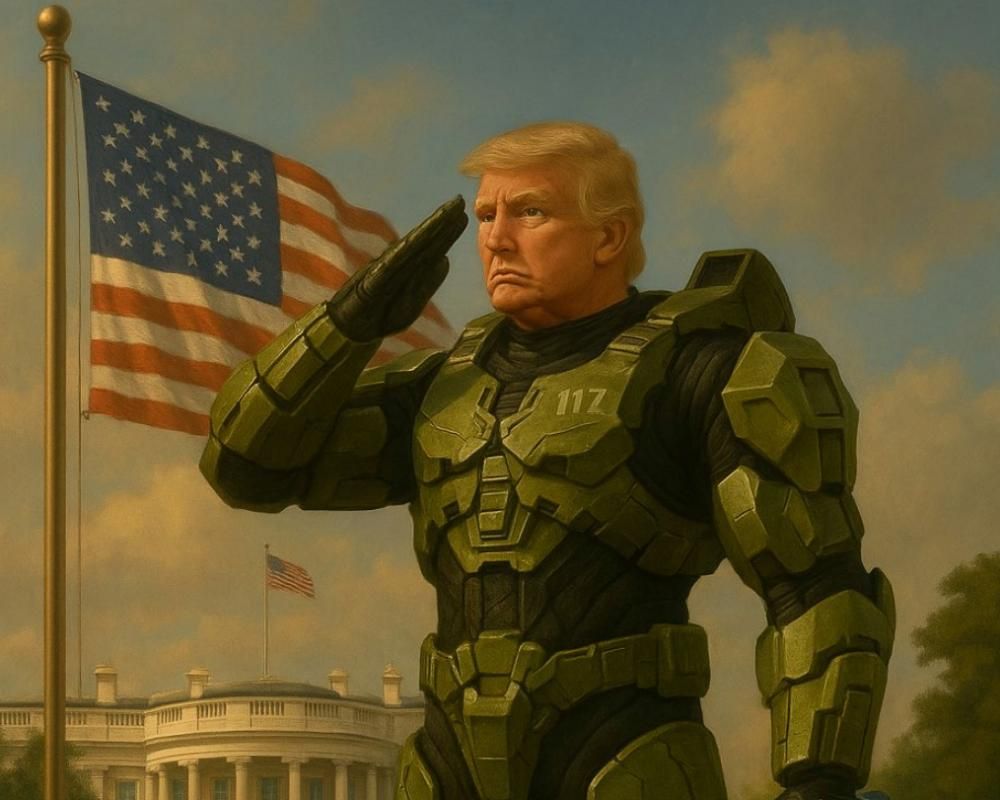
These developments underscore a broader trend of money and power concentrating in the gaming world, mirroring global patterns. The influence of games on public perception is increasingly recognized by powerful figures, as evidenced by political figures using gaming imagery for propaganda.
The Intersection of Gaming and Real-World Politics
Games have historically served as a form of escapism, yet their relevance to real-world issues cannot be ignored. This year, the Summer Game Fest in LA was disrupted by protests against ICE, symbolizing the inextricable link between gaming and societal dynamics.
The power dynamics within the gaming industry matter because games empower players to shape their own narratives. Ideally, this empowerment would extend to developers and players within the industry. As gaming continues to evolve, it is crucial to monitor the actions of key players and advocate for a more inclusive and equitable industry.
As we enjoy the creative output of the gaming world, it remains essential to remain vigilant about who holds the power and how it is wielded. The future of gaming, much like the art itself, is shaped by those who control its narrative and direction.