




February 6, 2026 — In a surprising twist amid the release of new Epstein files by the US Department of Justice, a text message exchange has surfaced between Steve Bannon, former strategist for Donald Trump, and the disgraced financier Jeffrey Epstein. The messages reveal Bannon’s discussions with Australian mining magnate Clive Palmer about an $80 million advertising campaign during the 2019 federal election, a pivotal moment that saw Bill Shorten lose to Scott Morrison.
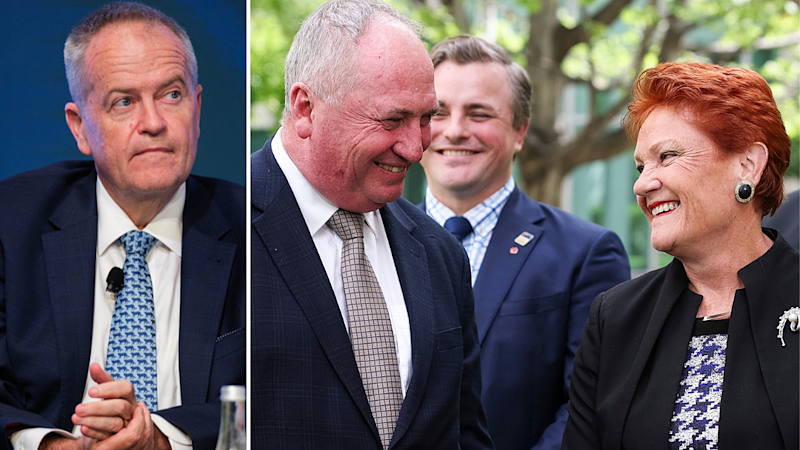
Bill Shorten, now the vice chancellor of Canberra University, addressed his unexpected mention in the Epstein files during a recent episode of the Inside Politics podcast. Speaking with host Jacqueline Maley and chief political correspondent Paul Sakkal, Shorten reflected on his ambitious economic and tax reform agenda, which Treasurer Jim Chalmers is reportedly revisiting seven years after its initial rejection by voters. Shorten issued a stark warning: “Underestimate Pauline Hanson and Barnaby Joyce at your peril.”
The Political Landscape: A Shifting Right Wing
The podcast discussion comes at a time of significant upheaval within the Liberal-National Coalition. The Coalition is grappling with internal conflicts that some fear could mirror the historic split of the Australian Labor Party in the 1950s, potentially cementing Labor’s dominance. Despite the current disarray, Sakkal suggests that the Coalition is unlikely to remain divided for long, predicting a reconciliation before the next election.
The tensions between Sussan Ley and David Littleproud highlight the deep-seated personality disputes that complicate efforts to unify the Coalition. Yet, the possibility of a prolonged split raises questions about the future of the centre-right in Australian politics, especially with One Nation gaining ground.
One Nation’s Growing Appeal
As the Coalition struggles, Pauline Hanson’s One Nation party is capitalizing on the discontent. Shorten notes that Hanson and Barnaby Joyce resonate with a segment of the population that feels their straightforward, unfiltered approach speaks to their concerns. This appeal is particularly potent in rural areas, where traditional Labor voters are reconsidering their political allegiances.
Shorten emphasizes the importance of not underestimating the influence of Hanson and Joyce, who have remained steadfast in their convictions. This unwavering stance, combined with a populist message, is drawing support from voters who feel disconnected from the mainstream political narrative.
Implications for the Coalition and Labor
The potential for a fractured right-wing landscape poses a significant challenge for the Coalition. Shorten warns that a failure to address internal divisions could lead to a “planet extinction level event” for the Coalition, underscoring the urgency of resolving their differences.
For Labor, the disunity within the Coalition presents both an opportunity and a risk. While a weakened opposition might seem advantageous, Shorten argues that a strong opposition is essential for effective governance. The risk of third-party coalitions emerging in traditionally safe Labor seats could destabilize the political landscape further.
Amidst rising cost-of-living concerns and fluctuating interest rates, Australians are seeking stability and focused leadership. The Coalition’s internal strife may provide fodder for political satire, but it also underscores the necessity of a cohesive opposition to challenge and refine government policies.
Looking Ahead
As the political dynamics in Australia continue to evolve, the influence of figures like Pauline Hanson and Barnaby Joyce cannot be dismissed. Their ability to tap into the frustrations of a significant voter base suggests that the political right in Australia is far from static.
The coming months will be crucial for the Liberal-National Coalition as they navigate their internal challenges and attempt to present a united front. For Labor, maintaining their momentum while ensuring a robust political discourse remains a delicate balancing act.
In this volatile political climate, the stakes are high, and the outcomes uncertain. As the nation watches these developments unfold, the importance of strategic leadership and clear communication becomes ever more apparent.