


Buried among the massive dump of new Epstein files released by the US Department of Justice is a surprising text message exchange between Steve Bannon, the former strategist for Donald Trump, and convicted sex offender Jeffrey Epstein. In these messages, Bannon boasts about his conversation with Australian billionaire Clive Palmer regarding his disruptive $80 million advertising campaign during the 2019 federal election. This campaign is widely believed to have influenced the outcome, where former Labor leader Bill Shorten lost to Scott Morrison.
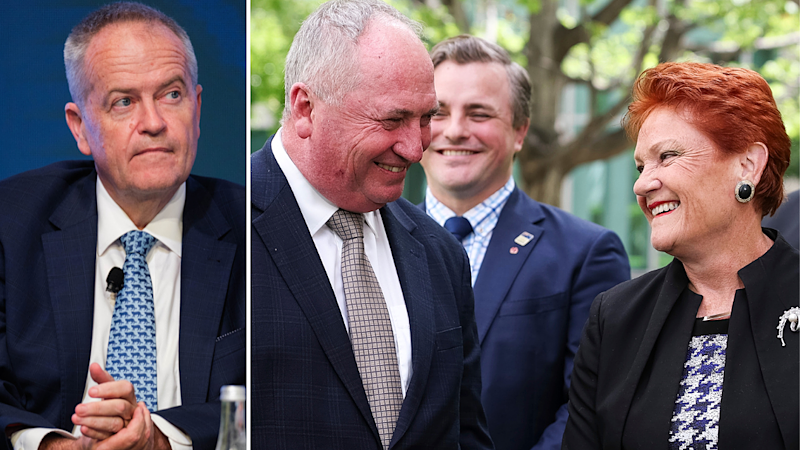
In a recent episode of the Inside Politics podcast, hosted by Jacqueline Maley and featuring chief political correspondent Paul Sakkal, Bill Shorten, now the vice chancellor of Canberra University, addressed his unexpected mention in the Epstein files. He also reflected on his ambitious economic and tax reform agenda, which Treasurer Jim Chalmers is reportedly considering replicating seven years after its initial rejection by voters. Shorten offered a stark warning: “Underestimate Pauline Hanson and Barnaby Joyce at your peril.”
Political Dynamics and the Coalition’s Future
The discussion on the podcast delved into the current state of the Liberal-National Coalition amid internal tensions. Maley questioned whether the ongoing ructions within the Coalition could lead to a historic realignment of the right wing of Australian politics.
According to Sakkal, some within the Liberal Party fear a long-term split reminiscent of the 1950s Labor Party division, which could entrench Labor’s dominance. He suggests that while a permanent split is unlikely, the current discord, characterized by disputes between leaders Sussan Ley and David Littleproud, is unlikely to resolve quickly. However, he anticipates a reconciliation before the next election.
The Role of One Nation and Minor Parties
Shorten weighed in on the potential impact of One Nation and other minor parties on the Coalition’s future. He noted that political splits are not unprecedented in Australia, referencing the formation of the Liberal Party by Robert Menzies over 80 years ago and other historical divisions.
He emphasized the appeal of Pauline Hanson and Barnaby Joyce, noting their ability to resonate with a segment of the population. “They are saying things which a lot of people just agree with,” Shorten remarked, acknowledging the challenge this poses to the Coalition.
“Underestimate Pauline Hanson and Barnaby Joyce at your peril.”
Implications for Australian Politics
Shorten expressed concern about the potential consequences of a fractured Coalition for Australian politics. He warned that a significant shift could lead to a “planet extinction level event” for the Coalition, urging them to resolve their differences swiftly.
He also highlighted the importance of a strong opposition for a functioning democracy, noting that Coalition disunity, while entertaining in Parliament, could undermine effective governance. With cost of living and interest rates as pressing issues, Shorten stressed the need for stability and focus in Australian politics.
Looking Ahead
The unfolding political landscape in Australia presents both challenges and opportunities. As the Coalition grapples with internal divisions, the influence of minor parties like One Nation grows. The implications of these dynamics will likely shape the country’s political future, with potential repercussions for both major parties.
For now, the focus remains on whether the Coalition can overcome its differences and present a united front in future elections. Meanwhile, the rise of figures like Pauline Hanson and Barnaby Joyce underscores the evolving nature of Australian politics and the need for adaptability among its leaders.