



Prime Minister Anthony Albanese has dismissed demands to reassess the taxpayer-funded entitlements of politicians, even as scrutiny intensifies over the spending habits of Sports and Communications Minister Anika Wells. Questions have been raised about the appropriateness of Wells’ expense claims, which include flights for family members to attend sporting events and a visit to the ski resort in Thredbo.
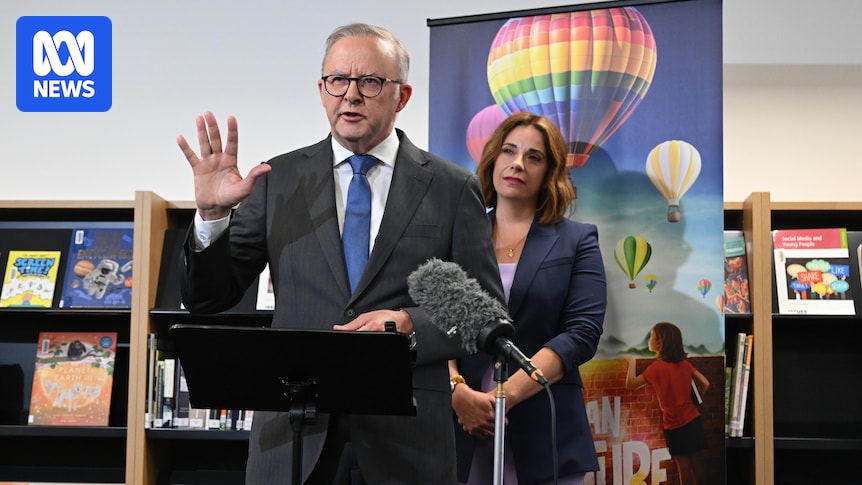
Wells has proactively referred herself to the expenses watchdog for an audit, asserting that her spending complies with existing rules. This stance is echoed by Minister Don Farrell and Nationals MP Andrew Willcox, both of whom frequently utilize family entitlements. Despite the controversy, Albanese, speaking alongside Wells at a high school library, emphasized that the current rules have been established for some time and have not been expanded by his government.
Political Reactions and Historical Context
Opposition Leader Sussan Ley, who previously stepped down from cabinet amid her own expenses controversy, expressed openness to revisiting the rules. However, Albanese has maintained that any changes should be left to the independent parliamentary expenses authority, which oversees compliance and can suggest rule modifications.
Historically, the issue of politicians’ expenses has been a recurring topic in Australian politics, often leading to public outcry and calls for reform. The rules, set by regulation and administered by the finance minister and special minister of state, have seen adjustments over the years, including recent amendments by Special Minister of State Don Farrell to redefine parliamentary and official business.
Community Expectations and Government Accountability
Albanese acknowledged the importance of meeting community expectations regarding politicians’ conduct. “Every now and again what we see is issues arise … I’m aware that this is an issue,” he stated, highlighting the ongoing public interest in the matter.
The Coalition has intensified its criticism of Wells, questioning whether her actions violate the ministerial code of conduct, which mandates avoiding “wasteful or extravagant use” of public resources. Ley has called for Wells to “step aside” while the prime minister’s department reviews the situation.
Expert Opinions and Political Implications
Liberal finance spokesperson James Paterson accused Wells of breaching conduct requirements and criticized Albanese for “failing to take responsibility for the conduct of his ministers.” Paterson suggested that the controversy has evolved into a broader issue concerning the prime minister’s judgment and the standards he imposes on his ministers.
“[This has] rapidly become a scandal about the prime minister and his judgement and the standards that he’s willing to enforce on his ministers,” Senator Paterson remarked.
While the Coalition is open to reviewing the rules to ensure alignment with community expectations, Paterson argued that the focus should remain on Wells’ judgment rather than the rules themselves.
Future Considerations and Potential Reforms
The ongoing debate over politicians’ entitlements highlights the delicate balance between necessary allowances for public service and the need for accountability and transparency. As public scrutiny continues, the pressure mounts on the government to consider potential reforms that address both the practical needs of politicians and the ethical expectations of the public.
Looking ahead, the independent parliamentary expenses authority may play a crucial role in shaping future regulations, potentially recommending changes that align with evolving public standards. Meanwhile, the Albanese government faces the challenge of maintaining public trust while navigating the complexities of political accountability.
As the controversy unfolds, the focus will remain on how effectively the government responds to public concerns and whether any meaningful changes are implemented to restore confidence in the political system.