



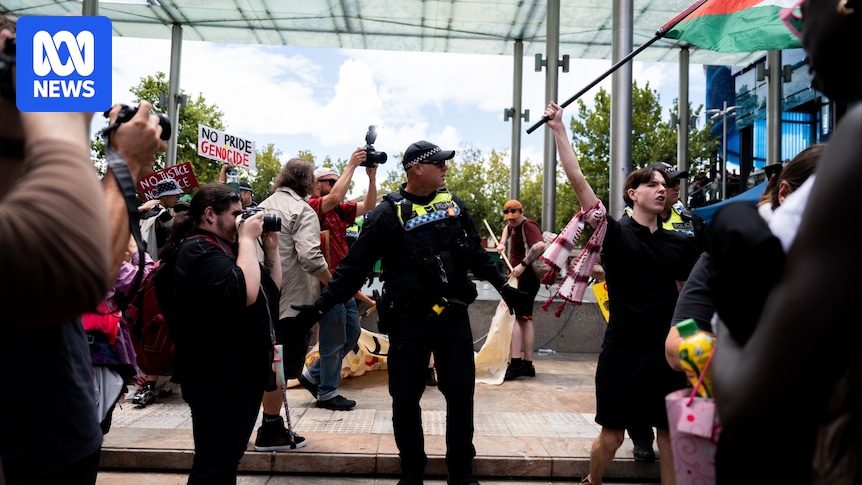
Police in Perth are investigating a potential explosive device thrown into a crowd during an Invasion Day rally at Forrest Place mall in the city’s central business district. The incident occurred around midday, with approximately 300 people gathered for the event. Western Australia Police Commissioner Col Blanch reported that a 31-year-old man was arrested after allegedly throwing the device around 1 p.m.
The device, described as “rudimentary” and roughly the size of a medium coffee cup, contained ball bearings, screws, and an unknown liquid encased in a glass container. Forensic teams are working to identify the liquid, with results expected by the end of the day or Tuesday. Commissioner Blanch assured the public that there is no ongoing threat, particularly concerning Australia Day celebrations.
Both Commissioner Blanch and Premier Roger Cook expressed gratitude towards the event organizers and police for their swift action in evacuating the crowd safely. While the suspect’s motives remain unclear, authorities believe he acted alone. Premier Cook condemned the act, emphasizing the importance of unity and peace in the community.
Event Disruption and Community Response
The rally, which was among the last to commence nationwide, was abruptly halted when police informed organizers of the potential threat. Officers advised the crowd of a “risk to safety,” leading to a controlled evacuation and the establishment of an exclusion zone that lasted several hours.
Before the disruption, prominent First Nations leaders, including Noongar Elder Hedley Hayward, delivered impassioned speeches addressing systemic issues faced by Indigenous communities. The crowd responded with chants of “Shame” as speakers highlighted ongoing injustices such as deaths in custody and homelessness.
National Context and Historical Significance
Australia’s national day, January 26, marks the arrival of the First Fleet in 1788, a date that has long been contentious among First Nations communities. The first Day of Mourning was observed in 1938, and the date continues to be a time of reflection and protest for many Indigenous Australians.
Across the country, rallies and events were held to honor Indigenous culture and call for change. In Sydney, Warlpiri elder Ned Jampijinpa Hargraves spoke at an Invasion Day rally, sharing personal stories of loss and advocating for the day to be recognized as a Day of Mourning. Meanwhile, the Yabun festival showcased Indigenous talent and culture, with performers like Baker Boy emphasizing the day’s evolving significance.
Calls for Change and Unity
In Melbourne, over 1,000 people attended a dawn service at Camp Sovereignty, where leaders called for January 26 to be a day of truth-telling rather than celebration. Similar sentiments were echoed in Brisbane, Adelaide, and other cities, where thousands gathered to protest and advocate for a change of date.
Speakers across the nation highlighted the need for acknowledgment of past injustices and the importance of unity. In Canberra, demonstrators chanted “Always was, always will be,” underscoring the enduring connection of Indigenous peoples to their land.
Looking Ahead: A Call for National Reflection
As Australia grapples with its national identity and the legacy of colonialism, the events of Invasion Day serve as a reminder of the work still needed to achieve reconciliation and justice. The peaceful resolution of the potential threat in Perth underscores the community’s resilience and the importance of maintaining dialogue and understanding.
Moving forward, leaders and community members alike are calling for continued efforts to address systemic issues and foster a more inclusive and equitable society. The conversation surrounding January 26 is not just about changing a date but about acknowledging history and building a future that respects and honors all Australians.