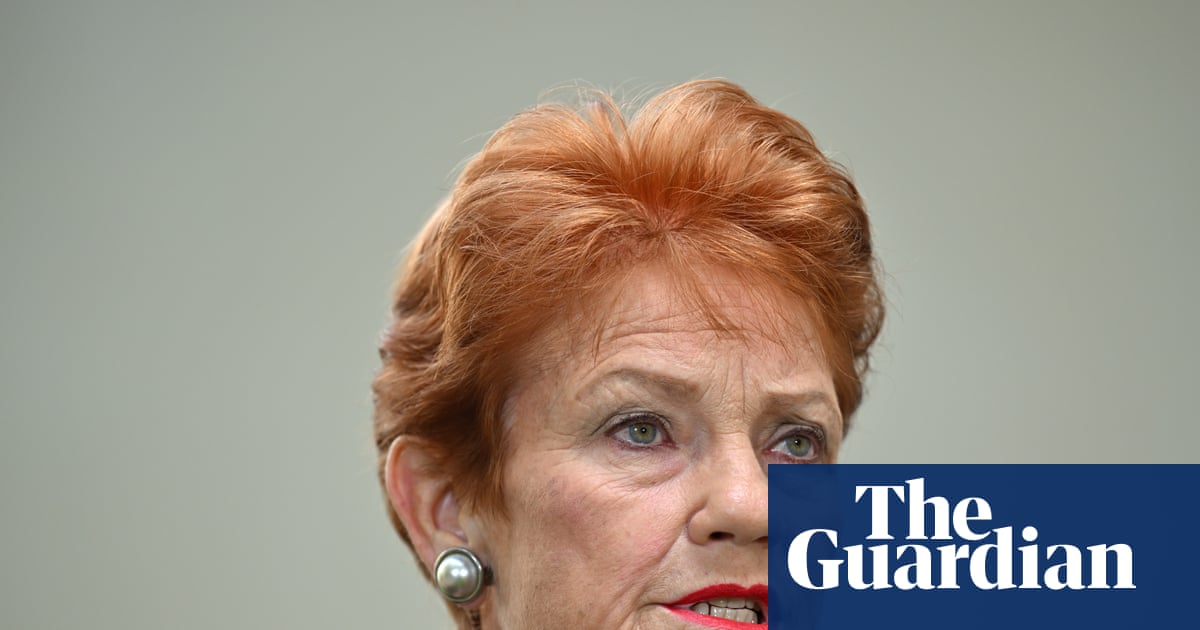



The surge in support for Pauline Hanson has reached unprecedented levels, driven by a significant increase in her likeability among voters across the nation. According to the latest Resolve Political Monitor, Hanson is entering 2026 with a more favorable public perception than at almost any other point in her political career.
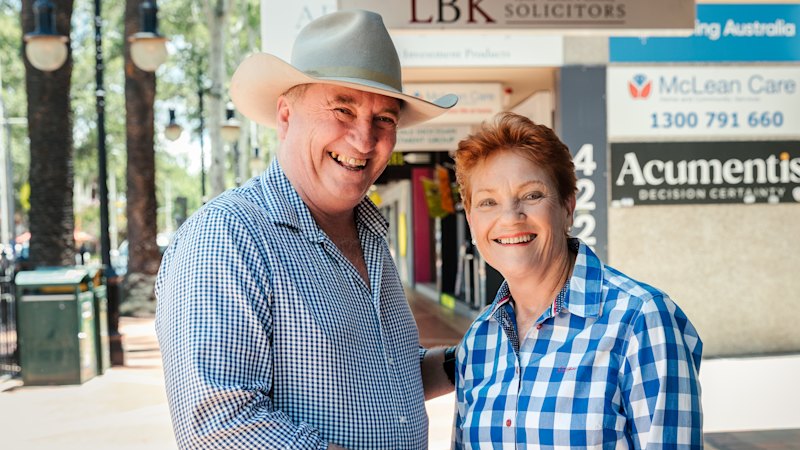
The Resolve Political Monitor, which assesses the likeability of federal politicians, reveals that both Hanson and her newest party member, Barnaby Joyce, have experienced some of the most substantial turnarounds in voter support among over 50 politicians tracked by the survey this year.
Hanson’s Remarkable Turnaround
Hanson’s party, One Nation, is currently enjoying its strongest opinion poll results in history. She concluded 2024 with a likeability rating of minus 13, which, although low, marked an improvement from minus 25 at the end of 2023. This year, Hanson has entered positive territory with a rating of plus 3, representing a significant 16-point turnaround.
Similarly, Barnaby Joyce, who recently defected from the Nationals to join One Nation, has seen a notable shift in his public perception. Joyce’s likeability rating improved from minus 22 at the end of 2024 to minus 4 this year. Despite this improvement, Joyce remains one of only two MPs with a negative likeability rating.
Broader Shifts in Political Likeability
The only other politician with a negative rating is Lidia Thorpe, although she has experienced the largest improvement of any MP, moving from minus 41 to minus 12. More than half of the MPs tracked by Resolve concluded 2024 with negative likeability ratings.
The survey, conducted by Resolve Strategic, involved questioning 1606 voters nationwide about their awareness of politicians and their positive, neutral, or negative views of them. Notably, the survey was conducted before the tragic Bondi attack that resulted in the loss of 15 lives.
Expert Insights and Context
Jim Reed, director of Resolve, commented on the notable improvement in Hanson’s standing, especially in the latter half of the year.
“It’s really in line with the lift in support we’re seeing for One Nation,”
he noted.
Reed further explained that the past year’s deep negativity has given way to a more optimistic outlook among voters towards their elected officials.
“There’s been this big, general lift year-on-year among voters who’ve gone from their deeply negative feelings to something a bit more upbeat,”
he added.
Leading Figures in Political Likeability
Tasmanian Senator Jacqui Lambie, who was the most-liked politician in 2024, continues to lead the rankings with a positive rating of 15. She is now joined by ACT independent Senator David Pocock, whose likeability has jumped by 10 points since 2024.
Anne Aly, the small business minister, is Labor’s most liked federal politician with a likeability rating of plus 12, narrowly ahead of Foreign Minister Penny Wong and Infrastructure Minister Catherine King, both at plus 11.
Tim Wilson stands as the most liked Liberal MP with a rating of plus 11. Wilson, who reclaimed the Melbourne seat of Goldstein from Zoe Daniel, was one of the moderates who opposed the party’s decision to abandon its net zero emissions target by 2050.
Implications and Future Prospects
Prime Minister Anthony Albanese has experienced one of the most significant improvements, moving from minus 17 in 2024 to plus 9. Liberal leader Sussan Ley also saw a notable increase, from zero to plus 8. Reed noted that Albanese’s improved rating may have been influenced by a positive end to the parliamentary year, marked by legislative successes and his wedding.
However, a separate Resolve poll conducted after the Bondi shootings showed Albanese’s net likeability dropped 14 points, from plus 9 to minus 5, aligning with his September results. Ley’s rating also fell, from plus 8 to plus 1.
The political landscape in Australia is clearly shifting, with significant implications for future elections and party dynamics. As politicians like Hanson and Joyce gain traction, the evolving public sentiment will likely shape the strategies and policies of parties across the spectrum in the coming years.