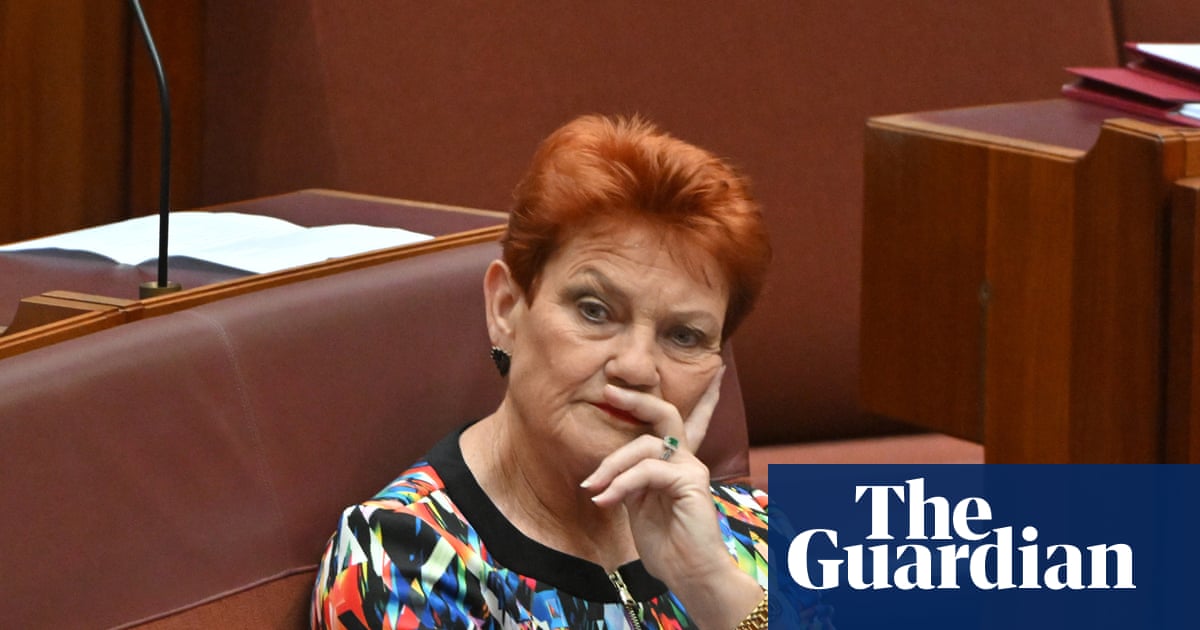


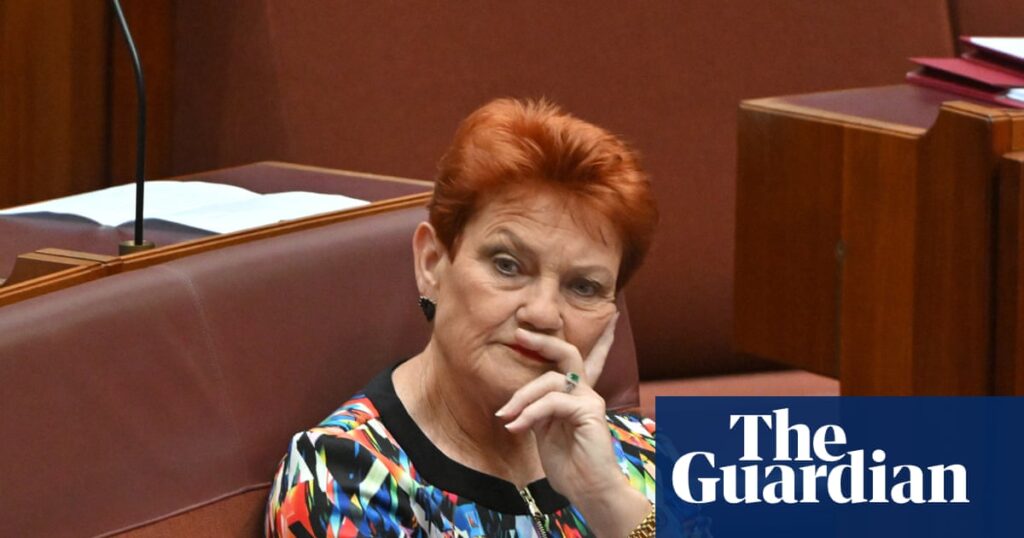
Pauline Hanson is poised to face a censure motion in the Senate on Monday as Labor seeks to address the One Nation leader’s recent comments deemed “inflammatory and divisive” towards Australian Muslims. The Greens have already pledged their support for Labor’s motion, making its passage likely, and condemning Hanson to a second censure within four months.
The proposed censure follows Hanson’s remarks on Sky News in February, where she questioned the existence of “good Muslims” in Australia. Despite widespread criticism, Hanson initially refused to apologize, later issuing a partial apology that many found inadequate. She stated, “I am sorry if I offended anyone out there that doesn’t believe in sharia law, or multiple marriages, or wants to bring Isis brides in, or people from Gaza that believe in a caliphate,” but then added, “In general, that is what they want, a world caliphate. And I am not going to apologise.”
Political and Public Reactions
Hanson’s comments have drawn sharp rebuke from across the political spectrum. Labor, the Greens, Nationals senator Matt Canavan, and Australia’s race discrimination commissioner have all criticized her remarks. The Australian Federal Police confirmed receiving reports of a “crime” related to her comments, though legal experts remain uncertain about any potential legal breaches.
The right-wing populist One Nation party, led by Hanson, is experiencing a surge in opinion polls. According to the Guardian Essential poll, 22% of respondents expressed support for One Nation, with nearly 60% open to voting for the party in the next federal election.
The Censure Motion
Labor’s draft motion, which has been circulated among senators, emphasizes Australia’s multicultural foundation, stating that the nation has been “built by the hard work, sacrifice and aspiration of people of every race and faith.” It assures all Australians they are “valued, welcome members of our society” and rejects any attempts to vilify individuals based on their religion.
The motion further reiterates the Senate’s solidarity with those vilified due to their faith and underscores the need for parliament to be a safe space, free from hate speech. It calls on all senators to “refrain from inflammatory and divisive comments, both inside and outside the chamber.”
The motion aims to censure Hanson for “her inflammatory and divisive comments seeking to vilify Muslim Australians, which do not reflect the opinions of the Australian Senate or the Australian people.”
Potential Outcomes and Political Implications
The motion is open to change, debate, and potential amendment. The Greens and independent senator Lidia Thorpe are expected to support it, ensuring sufficient backing for its passage. The Coalition may support the motion’s core but could seek amendments to remove explicit condemnation of Hanson.
If successful, this would mark the second censure against Hanson in recent months, following her controversial stunt of wearing an Islamic hijab in the Senate chamber last November. However, Thorpe criticized Labor’s motion, describing it as a “political stunt” aimed at disrupting the Coalition’s preference negotiations with One Nation in the Farrer by-election.
Broader Political Context
Hanson has indicated openness to negotiating with the Coalition regarding election preference deals and closer parliamentary cooperation. Liberal shadow minister Andrew Hastie, among other Coalition members, has expressed willingness to engage with One Nation, stating on Sky News, “One Nation supporters at the moment need to be taken more seriously.”
When questioned about a potential preference deal, Hastie remarked, “I’m fine with that. These are normal Australians, and I’m happy to work with anyone on the centre-right who wants to deliver better outcomes for the Australian people.”
The unfolding situation underscores the complex dynamics of Australian politics, where issues of race, religion, and national identity continue to provoke intense debate. As the Senate prepares to vote on the censure motion, the outcome may have significant implications for both Hanson’s political future and the broader discourse on multiculturalism in Australia.