
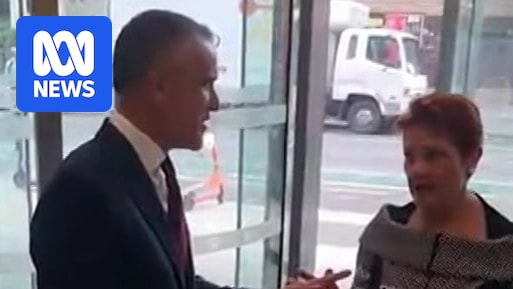
In a dramatic confrontation, South Australia’s Premier Peter Malinauskas assured Pauline Hanson that he would collaborate with any One Nation MPs elected in the upcoming state election. This assurance comes as a new poll indicates that the right-wing party continues to outpace the Liberals in voter support.
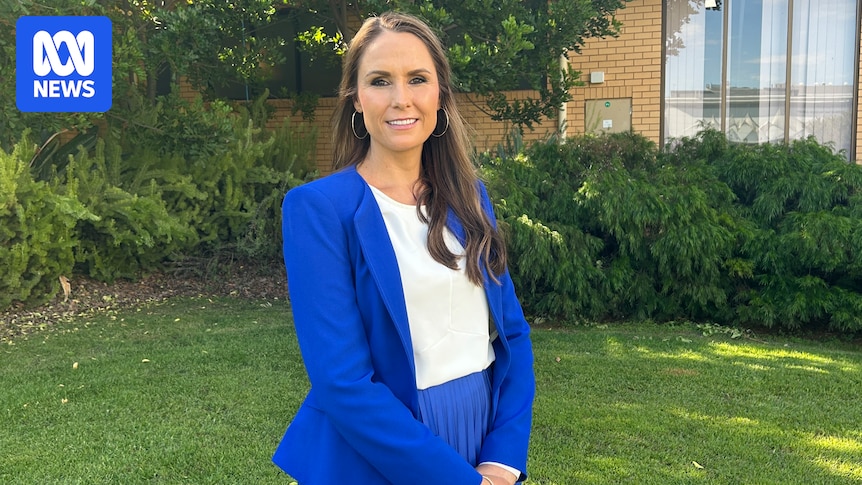
Ms. Hanson approached Mr. Malinauskas in the foyer of The Advertiser newspaper building in Adelaide, moments before he was set to debate Opposition Leader Ashton Hurn. Notably absent from the debate, organized by The Advertiser and Sky News, were Ms. Hanson and the party’s lead upper house candidate, Cory Bernardi.
Context of the Confrontation
The confrontation follows remarks made by Mr. Malinauskas at an election forum last month, where he emphasized the necessity of immigration to fill critical labor shortages in sectors such as aged care. “Who’s going to feed you and bathe you and wipe your bum when you’re 90?” he questioned, highlighting the demographic challenges facing the state.
Ms. Hanson expressed her disapproval of these comments, stating, “That’s putting people down and I didn’t appreciate that.” In response, Mr. Malinauskas defended his remarks, asserting their reasonableness when considered in context.
Agreement to Collaborate
Despite the tension, Ms. Hanson indicated her party’s willingness to collaborate with Labor post-election. Mr. Malinauskas reciprocated, stating he was “always happy to work with those that are happy to work with us,” before wishing Ms. Hanson safe travels back to Queensland.
Later, at an early voting center in Two Wells, Ms. Hanson faced another confrontation, this time with SA Best MLC Connie Bonaros, who is seeking re-election. “How do you sleep at night knowing you do that? You sow division and fear and hate,” Ms. Bonaros accused Ms. Hanson and Mr. Bernardi. Mr. Bernardi retorted by questioning Ms. Bonaros’s anger, calling her “a very angry person.”
One Nation’s Poll Performance
A final YouGov poll conducted with 1,265 voters between March 9 and March 17 shows Labor’s primary vote at 38 percent, a slight increase from February. Meanwhile, One Nation’s support remains steady at 22 percent, while the Liberals have dropped to 19 percent.
“The poll shows that the election campaign has remained essentially unchanged,” stated Paul Smith, YouGov’s director of public affairs and public data. “Labor came into the campaign with a large lead and still maintains that large lead. One Nation were second coming into the poll and are still second.”
According to Mr. Smith, Labor is expected to secure most seats in Adelaide, but regional contests could be complex four-way battles involving Labor, the Liberals, One Nation, and independents.
Potential Outcomes
Mr. Smith elaborated on the potential outcomes, noting that One Nation’s success in the lower house would depend on the Liberal Party finishing third and their preferences favoring One Nation. “That’s their only avenue of getting elected even though they will quite probably top the primary vote in large parts of regional South Australia,” he explained.
One Nation is predicted to secure between two and three upper house seats, according to Mr. Smith. The YouGov poll’s findings are consistent with a Fox and Hedgehog poll released earlier, which placed Labor at 38 percent, One Nation at 21 percent, and the Liberal Party at 18 percent.
Implications for South Australian Politics
The consistent support for One Nation highlights a significant shift in South Australia’s political landscape, reflecting broader national trends of increasing support for right-wing parties. This development raises questions about the future of the Liberal Party and its strategies to regain voter confidence.
Looking ahead, the election results could redefine alliances within the state’s parliament and influence policy directions, particularly concerning immigration and regional development. Political analysts will be closely watching the election outcomes to gauge the long-term implications for both state and national politics.
As South Australians head to the polls, the focus will be on how these dynamics play out and what they mean for the state’s future governance.