


Paul Scarr, previously the opposition’s immigration spokesman, has made a significant political move by crossing the floor to vote with the Labor Party in support of a censure motion against Pauline Hanson. This motion, passed by the Senate with a vote of 36 to 17, condemns Hanson for her “inflammatory and divisive comments seeking to vilify Muslim Australians.”
Scarr, a moderate within the Liberal Party, was joined by fellow Liberal Andrew McLachlan in this rare act of defiance. Both senators have expressed concerns over Hanson’s remarks, which have been widely criticized. Hanson, speaking on Sky News, questioned the existence of “good Muslims,” prompting backlash from various quarters.
Scarr’s Stand Against Divisive Rhetoric
In an interview with The Conversation, Scarr explained his decision to cross the floor, citing the importance of taking a stand against divisive rhetoric. “There are people creating division and there comes a time when you have got to make a stand,” he stated. Scarr emphasized his strong ties with Muslim communities in Queensland and across Australia, which have been instrumental in shaping his perspective.
Scarr shared his experiences from attending five Iftar dinners during Ramadan, where he gauged the community’s reaction to Hanson’s comments. “I know the real world consequences of divisive language,” he noted, highlighting the potential for increased attacks on young girls wearing the hijab.
“I also think of the great work being done by so many Muslim leaders and members in the community – supporting fellow Australians in their time of need, seeking to establish interfaith dialogue and looking to give back to the community. It is really for them that I had to cross the floor.”
The Senate’s Response and Political Reactions
The opposition attempted to amend the motion to “condemn” rather than censure Hanson but was unable to proceed under the motion’s rules, leading to their vote against it. The censure motion gained support from Labor, the Greens, and several independent senators, alongside the two dissenting Liberals.
Senate leader Penny Wong, in moving the motion, emphasized the broader implications of parliamentary language. “The words of parliamentarians echo into classrooms, workplaces, communities. They help shape how others see each other and how they see themselves,” Wong stated. She stressed the importance of sending a message that condemning an entire religion is unacceptable.
Opposition Senate leader Michaelia Cash acknowledged the inappropriateness of Hanson’s comments, citing her personal connections with Muslim friends. However, she cautioned against using censure as a routine political tactic, describing it as one of the Senate’s most serious institutional sanctions.
Hanson’s Defiance and Broader Implications
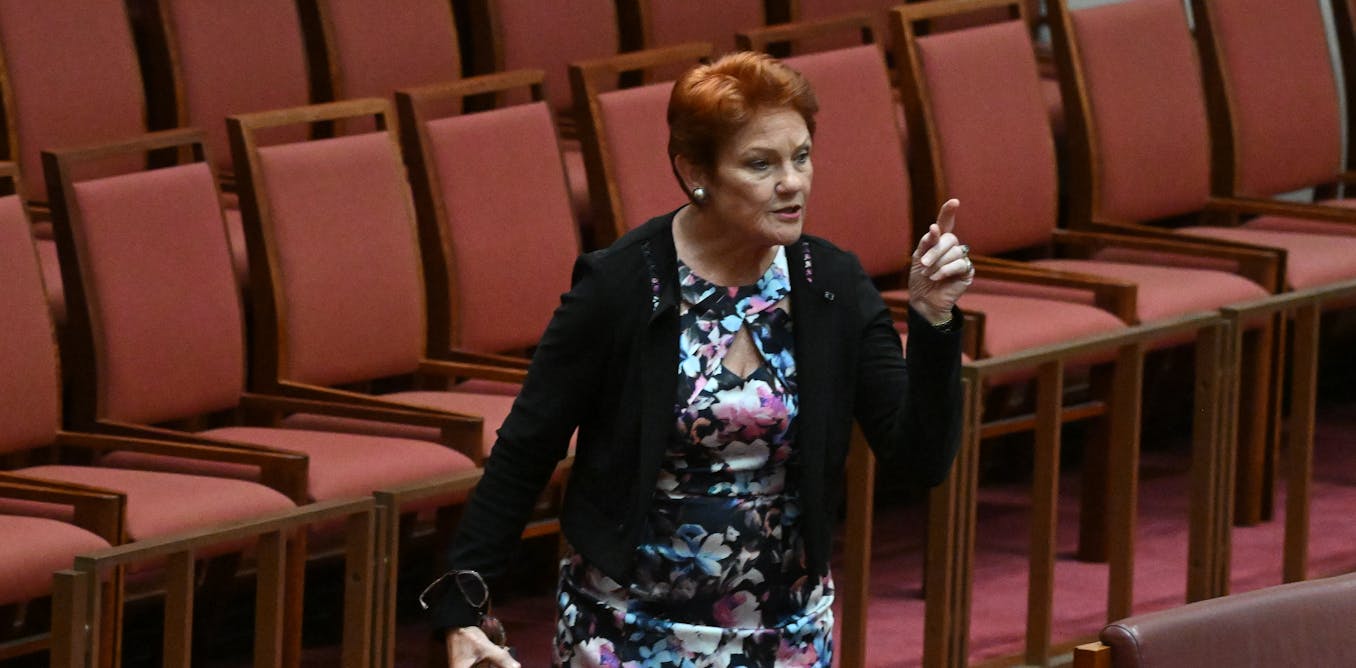
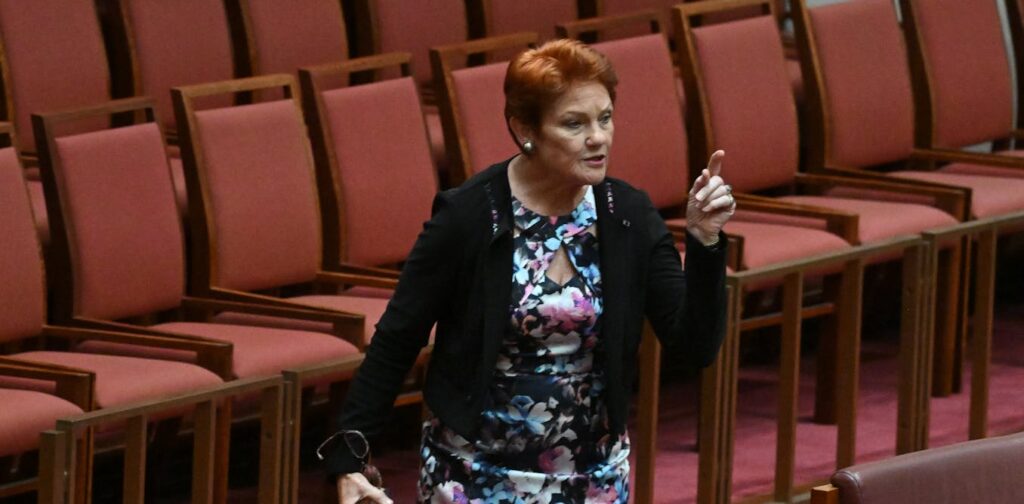
In response, Hanson dismissed the motion as an “absolute stunt,” claiming her remarks were taken out of context. “The people out there will actually judge One Nation and my comments. Let the people judge me. I’m not going to be judged by you at all,” she declared before exiting the chamber without voting.
This development highlights ongoing tensions within Australian politics regarding race and religion. The censure serves as a pivotal moment, reflecting a broader societal debate about the limits of free speech and the responsibilities of public figures.
As Australia grapples with these issues, the actions of politicians like Scarr may signal a shift towards greater accountability and sensitivity in political discourse. The implications of this censure could influence future parliamentary conduct and the treatment of minority communities in the country.