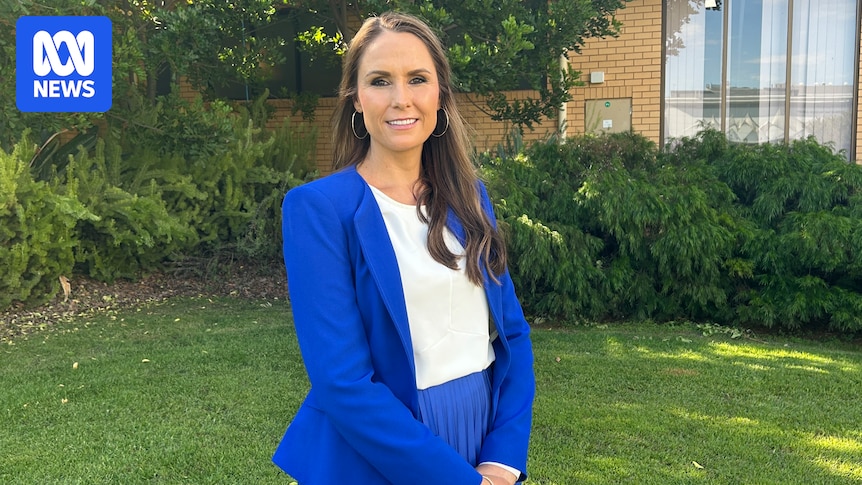



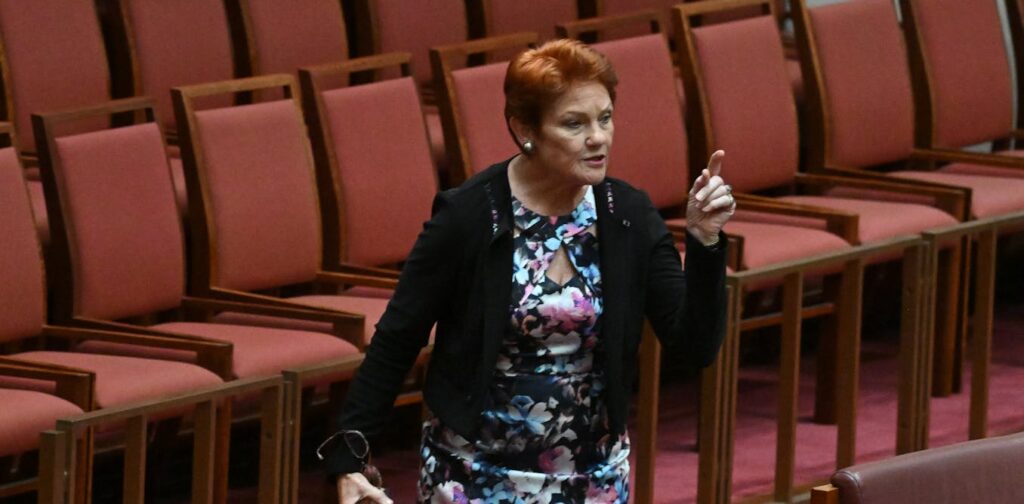
In a surprising political move, Paul Scarr, the former opposition immigration spokesman, crossed the floor to join Labor in censuring Pauline Hanson for her controversial remarks about Muslims. The Senate passed the motion with a 36 to 17 vote, condemning Hanson for her “inflammatory and divisive comments seeking to vilify Muslim Australians.”
Scarr, a Liberal moderate, was one of two party members to break ranks, alongside Andrew McLachlan. The decision comes after Scarr was removed from his role by opposition leader Angus Taylor. Hanson’s comments, made on Sky News, included the provocative statement: “You say, ‘Well, there’s good Muslims out there.’ How can you tell me there are good Muslims?”
Scarr’s Stand Against Divisive Rhetoric
Speaking to The Conversation after the vote, Scarr emphasized the importance of taking a stand against divisive rhetoric. “There are people creating division and there comes a time when you have got to make a stand,” he stated. Scarr highlighted his strong ties with the Muslim community in Queensland and across Australia, noting the impact of Hanson’s words.
Scarr attended five Iftar dinners during Ramadan, where he gauged the community’s reaction to Hanson’s statements. “I know the real world consequences of divisive language,” he remarked, citing concerns over potential attacks on young girls wearing hijabs. He praised the contributions of Muslim leaders in fostering interfaith dialogue and community support, stating, “It is really for them that I had to cross the floor.”
Political Reactions and Implications
The motion to censure Hanson was supported by Labor, the Greens, and independent senators, along with the two dissenting Liberals. Government Senate leader Penny Wong, who moved the motion, underscored the significance of parliamentary words in shaping societal attitudes. “This censure motion is about drawing a line and sending a message to the people of faith in this country,” Wong declared.
Opposition Senate leader Michaelia Cash acknowledged the inappropriateness of Hanson’s comments, citing her own connections with the Muslim community. However, she expressed reservations about the use of censure as a political tool, describing it as “one of the Senate’s most serious institutional sanctions” that should not be used lightly.
Hanson’s Response and Broader Context
Hanson dismissed the censure as an “absolute stunt,” arguing that her remarks were taken out of context. “The people out there will actually judge One Nation and my comments. Let the people judge me,” she asserted before leaving the chamber without participating in the vote.
This development follows a history of controversial statements by Hanson, who has faced criticism for her views on immigration and multiculturalism. Her remarks have sparked debates about free speech and the responsibility of public figures to avoid inciting division.
Looking Forward: The Impact of Political Language
The censure of Pauline Hanson highlights ongoing tensions in Australian politics regarding multiculturalism and religious tolerance. As political leaders navigate these complex issues, the importance of measured and inclusive language remains paramount. Scarr’s decision to cross the floor may signal a shift within the Liberal Party towards a more moderate stance on such matters.
Moving forward, the incident serves as a reminder of the power of words in shaping public discourse and the potential consequences of divisive rhetoric. As Australia continues to grapple with its multicultural identity, the actions of its political leaders will undoubtedly influence the nation’s path forward.