
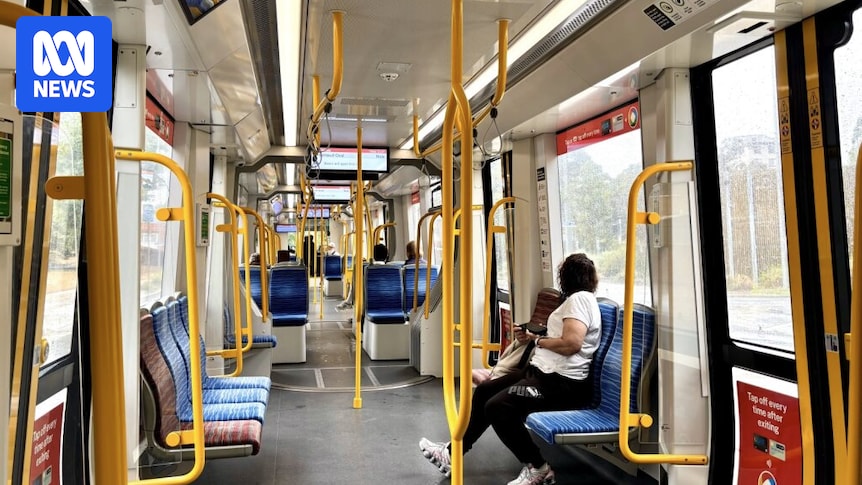
Commuters have been slow to embrace the $2.9 billion Parramatta Light Rail service, with daily patronage numbers falling short of the state government’s initial projections. One year after the light rail’s inauguration, data from Transport for NSW (TfNSW) shows an average of 12,000 daily trips from January to November this year, significantly below the anticipated 22,000 daily users by 2026.
The light rail line, extending from Carlingford to Westmead, officially opened on December 20, 2024, after delays caused by electrical faults during testing. Despite the setbacks, construction of the light rail’s second stage is underway, aiming to connect Parramatta to Olympic Park. This expansion is expected to boost long-term patronage.
Building for Projected Development
Mathew Hounsell, a transport researcher at the University of Technology Sydney, emphasized the need for housing development to drive increased usage of the Parramatta Light Rail. The Rosehill Gardens stop, located about 2.5 kilometers from the Parramatta CBD, was the least-used station in 2025, with an average of 130 trips per day.
Hounsell noted that the area around Rosehill is currently “very easy to drive to,” but changes are anticipated. “The existence of that tramway stop has made that property extremely valuable,” he said. “You have to build both [housing and transport] at the same time.”
Rough Patches and Safety Concerns
Beyond low patronage, the service has faced several safety incidents. TfNSW confirmed “numerous” collisions with road vehicles at various points along the light rail. Howard Collins, TfNSW coordinator, stated the agency’s commitment to public safety. “Our focus for year two is not only to keep the network reliable and well-used but to ensure every journey is as safe as possible,” he said, highlighting efforts to educate the community and enhance visibility.
Adjusting to New Transport Routes
Hounsell remarked that it takes time for the public to adjust to new transport options. “When people are comfortable driving to and from a place, they’ll stick to driving until it gets painful enough that they start looking at alternatives,” he explained. He also pointed out the lack of shops and businesses along the line, particularly in residential areas, which affects weekend patronage.
On weekends, TfNSW data showed an average of 40 percent fewer trips on the service.
Hounsell suggested that the higher weekday usage indicates the light rail is “too dependent” on regular commuters.
Frequent Travellers’ Perspectives
Frequent user Moey shared his experience, stating that the service initially seemed awkward but has since proven beneficial. “It’s more open compared to the trains and not many people use it, so it’s alright,” he said.
Dona Lynvandyn praised the light rail for improving transport in areas with limited options. “I’ve used it to go to places [when] I just want to feel relaxed, have convenience, and not drive,” she noted.
Phillip Sharpe, who often travels from Merrylands to Westmead, lauded the service. “It’s the best thing that ever happened to Parramatta,” he said. “Fantastic, no waiting around, it’s a good service.”
The announcement of increased future usage comes as the city continues to adapt to the evolving transport landscape. As construction progresses and urban development aligns with transport infrastructure, the Parramatta Light Rail is poised to become a vital component of the region’s transit network.