


In a significant shake-up following the Paramount-Skydance merger, the studio has announced a strategic pivot in its film slate, opting to focus on highly commercial intellectual properties. This decision has led to the cancellation or sale of several projects, including adaptations and spin-offs previously in the pipeline.
The change in direction comes as new executives, described as fostering a “bro culture,” take the helm. Their strategy is to veer away from awards-focused and critically risky films, instead emphasizing what one insider termed “down-the-middle IP.” This approach has resulted in the quiet sale of the children’s book adaptation “Eloise” to Netflix and the outright cancellation of the Colin Trevorrow-directed “Area 51” movie. Notably, actor Ryan Reynolds was set to produce both projects.
Projects Scrapped Amid Strategic Shift
Among the casualties of this strategic overhaul is the “Ferris Bueller’s Day Off” spin-off “Victor and Sam’s Day Off,” as well as the romantic sports drama “Winter Games,” which was to star Miles Teller. These cancellations underscore the studio’s commitment to refocusing its efforts on more commercially viable projects.
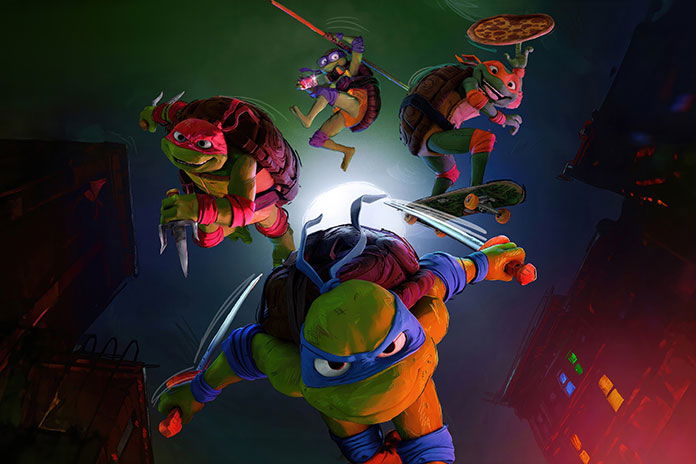
Previously, the studio had also announced the cancellation of the “Teenage Mutant Ninja Turtles: Mutant Mayhem” spin-off TV series. However, in a move that signals confidence in the franchise’s enduring appeal, Paramount plans to release a second film in the series in 2027, with discussions already underway for a potential third installment.
Expanding the TMNT Universe
The decision to double down on the “Teenage Mutant Ninja Turtles” (TMNT) franchise reflects a broader industry trend of capitalizing on established brands with built-in fan bases. The upcoming films are expected to be joined by a live-action ‘Turtles’ film slated for release in 2028. This expansion is part of Paramount’s strategy to leverage the nostalgia and popularity of the TMNT brand to drive box office success.
“The Teenage Mutant Ninja Turtles franchise has consistently proven its ability to attract audiences across generations, making it a cornerstone of our future plans,” a Paramount executive stated.
Industry Reactions and Historical Context
Industry analysts note that Paramount’s shift mirrors broader trends in Hollywood, where studios are increasingly prioritizing franchises and sequels over original content. This strategy has been successful for other major studios, which have seen significant returns on investments in established properties.
Historically, the TMNT franchise has been a reliable performer, with its origins dating back to the 1980s comic book series. The brand has since expanded into animated series, films, and merchandise, cementing its place in popular culture.
According to film historian Mark Harris, “Studios are playing it safe by investing in known quantities. The risk is lower, and the potential for profit is higher, especially with a brand as beloved as the Ninja Turtles.”
Looking Forward: Implications for Paramount
The implications of Paramount’s strategic pivot are significant. By focusing on established IPs, the studio aims to stabilize its financial outlook and capitalize on the lucrative potential of franchise films. This move may also influence other studios to reassess their own strategies in light of Paramount’s actions.
As the film industry continues to evolve, the success of Paramount’s approach will likely be closely watched by competitors and industry insiders alike. The next few years will be critical in determining whether this strategy will yield the desired results, both at the box office and in terms of audience engagement.
Meanwhile, fans of the TMNT franchise can look forward to a new wave of content, as Paramount invests in expanding the universe of these iconic characters.