


Since October, the Guardian Essential poll has been closely monitoring a significant shift in Australian political dynamics: the rising support for One Nation. This month’s findings, however, may sound alarm bells for the Labor Party as nearly half of its voters indicated they would consider casting their ballots for One Nation in the next federal election.
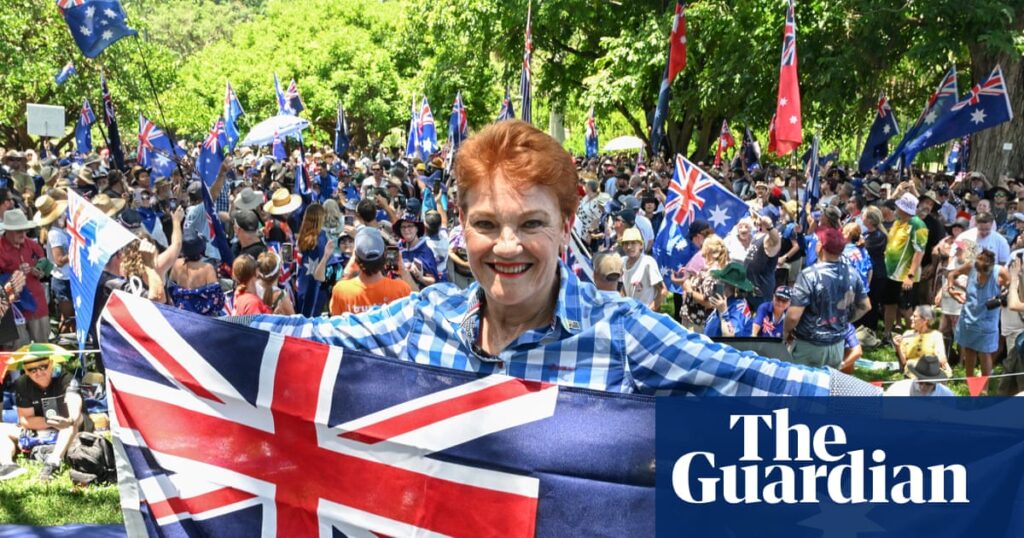
Political reporter and chief of staff Josh Butler, alongside Essential Media executive director Peter Lewis, delve into why One Nation’s growing popularity is more than just a vocal protest against the Coalition. They explore how Pauline Hanson’s party is managing to attract voters from across the political spectrum.
Understanding the Shift in Voter Sentiment
The latest Guardian Essential poll reveals a surprising trend: One Nation is not only gaining traction among disenchanted Coalition supporters but is also making inroads with Labor voters. This development suggests a broader appeal that transcends traditional party lines.
Peter Lewis explains, “What we’re witnessing is a complex realignment where voters are increasingly disillusioned with the major parties. One Nation’s messaging seems to resonate with those seeking alternatives.”
The Factors Behind One Nation’s Appeal
One Nation’s rise can be attributed to several factors. Firstly, the party’s strong stance on national sovereignty and immigration has struck a chord with voters concerned about these issues. Additionally, Pauline Hanson’s charismatic leadership and ability to address grassroots concerns have bolstered the party’s image.
Moreover, the current political climate, marked by economic uncertainty and social change, has created fertile ground for populist movements. One Nation’s ability to tap into these sentiments has been a key driver of its recent success.
Implications for the Labor Party
The potential shift in voter allegiance poses a significant challenge for Labor. With nearly half of its voters open to considering One Nation, Labor must reassess its strategies to retain its base. This includes addressing the underlying issues that are driving voters towards alternative parties.
According to political analyst Dr. Emily Carter, “Labor needs to engage more effectively with its constituents, particularly on issues like economic inequality and job security, which are pivotal for many voters.”
Historical Parallels and Future Prospects
This development is reminiscent of past political shifts where smaller parties have disrupted the status quo. Historically, such movements have either forced major parties to adapt or led to significant electoral changes.
Looking ahead, the challenge for One Nation will be to maintain its momentum and translate this support into tangible electoral gains. For Labor, the task is to reconnect with its base and address the concerns that are driving voters towards One Nation.
Conclusion: Navigating a Changing Political Landscape
The rise of One Nation as a viable alternative for a significant portion of Labor voters underscores the fluidity of the current political landscape in Australia. As the next federal election approaches, both major parties will need to navigate this changing terrain carefully.
The coming months will be critical as parties refine their messaging and strategies in response to these developments. Whether One Nation can sustain its growth and how Labor will respond remain key questions in the evolving narrative of Australian politics.