



As the Victorian state election approaches, a new poll indicates a dramatic shift in the political landscape, threatening the traditional dominance of the Australian Labor Party and the Coalition. The Resolve survey, conducted over the past two months, reveals that neither major party is poised to secure a clear victory, with Labor polling at a historic low of 28 percent and the Coalition at 30 percent.
Historically, Labor has never recorded such a low primary vote in Victoria, even during its most challenging periods. Comparisons are being drawn with past electoral disasters, such as Anna Bligh’s defeat in Queensland and Kristina Keneally’s loss in New South Wales. Similarly, the Coalition’s current standing is reminiscent of its nadir in 2002 when it managed to garner nearly 34 percent of the primary vote under Robert Doyle’s leadership.
One Nation’s Impact on the Political Landscape
The emergence of One Nation in Victoria is seen as a critical factor in the current political dynamics. Despite its limited historical presence in the state, the party is poised to play a pivotal role in the upcoming election. Political analysts, including Antony Green and Paul Kelly, have noted that One Nation’s rise tends to siphon votes from the Liberals and Nationals, subsequently benefiting Labor through preferential voting.
“Whenever One Nation secures a significant chunk of the vote, it takes from the Liberals or Nationals on primary and gives to Labor on preferences,” noted Antony Green.
With One Nation polling at 11 percent, it is unlikely to win any lower house seats. However, its influence could prevent the Coalition from breaking its streak of electoral defeats, potentially condemning it to a fourth consecutive term in opposition.
Challenges Facing the Victorian Liberal Party
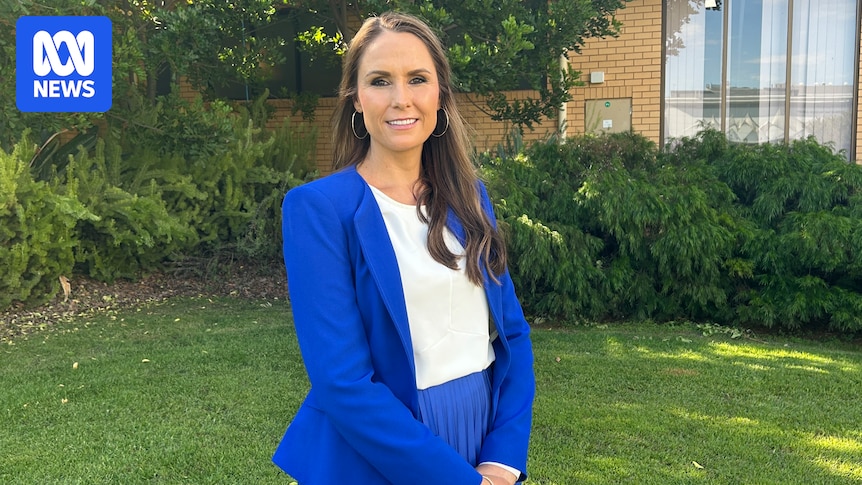
Jess Wilson’s recent elevation to opposition leader has brought renewed attention to the Victorian Liberal Party. However, the party faces significant challenges that could hinder its electoral prospects. Internally, the party remains embroiled in legal disputes, with its membership divided in a Supreme Court case. Additionally, its policy platform, particularly regarding fiscal management, lacks clarity and coherence.
The party’s brand has also suffered due to the Coalition’s broader national identity crisis, raising questions about its ability to attract voters in a state that has traditionally leaned towards progressive policies.
Labor’s Internal Struggles
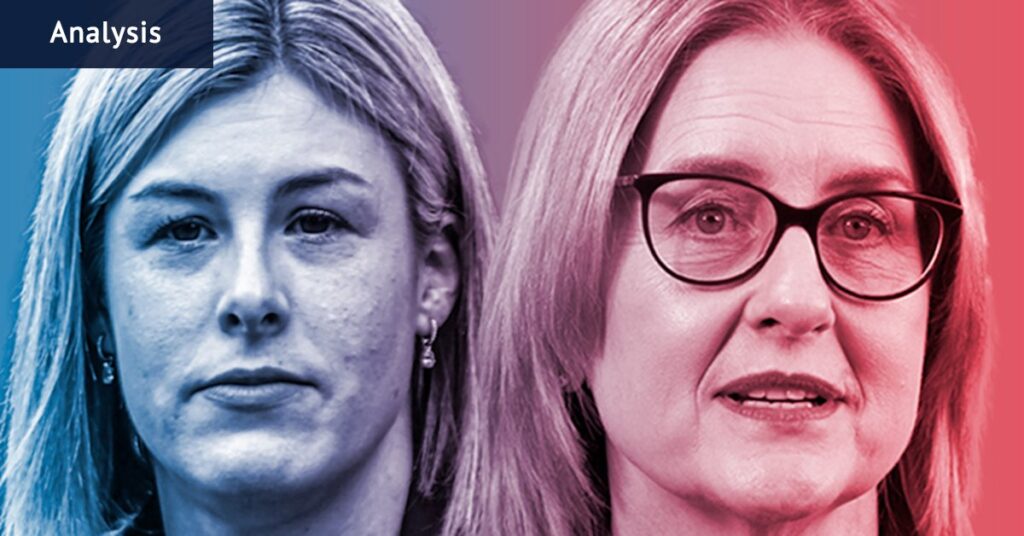
Despite the Coalition’s difficulties, Labor is not without its own challenges. The Resolve poll suggests that Jacinta Allan, the current leader, is struggling with popularity issues. Normally, the Labor Party is quick to replace leaders who jeopardize electoral success, but Allan’s continued leadership indicates a departure from this norm.
“If Allan really is as unpopular as this poll suggests, the party is so determined to stick with her. Normally, the Labor machine would rather eat its young than lose an election,” observed a political analyst.
This reluctance to change leadership reflects the unusual political climate in Victoria, where traditional strategies may no longer apply.
Looking Ahead: The November Election
As the November 28 election date approaches, both major parties face significant hurdles. The history of opinion polls suggests that as the election draws nearer, some voters may revert to the stability of the two-party system. However, the current political environment, influenced by the rise of One Nation and internal party challenges, presents a complex scenario.
The outcome of the election remains uncertain, with the potential for significant shifts in Victoria’s political landscape. The role of preferential voting, the impact of One Nation, and the internal dynamics of both major parties will all be critical factors in determining the election’s outcome.
As Victoria heads towards this pivotal election, the state’s political future hangs in the balance, with the potential for unprecedented changes in its governance.