



In a dramatic shift in Australia’s political landscape, the latest Newspoll reveals One Nation surging to unprecedented heights, positioning itself as the second most popular party behind Labor. Meanwhile, the Coalition has slumped to a historic low, trailing in third place. These findings are echoed by Redbridge and Morgan polls, which also show One Nation outpacing the Coalition.
The national Newspoll, conducted from February 5 to 8 with a sample of 1,234 voters, shows Labor holding 33% of the primary vote, a modest increase of one percentage point from the previous poll. One Nation has jumped five points to 27%, while the Coalition has dropped three points to 18%. The Greens remain steady at 12%, and other parties collectively hold 10%, down three points.
Implications of One Nation’s Rise
This surge marks a record high for One Nation in any poll and a record low for the Coalition. The Redbridge and Morgan polls further underscore this trend, with One Nation leading the Coalition by seven and 4.5 points, respectively. The political ramifications are significant, especially in a single-member electoral system like Australia’s House of Representatives, where a major party falling to third could face severe consequences.
According to analyst Kevin Bonham, using 2025 Senate preference flow data, Labor leads One Nation by 54.1% to 45.9% and the Coalition by 54.3% to 45.7%. However, Bonham cautions that the dramatic drop in the Coalition’s vote since the last election may render this method less reliable.
Leadership and Approval Ratings
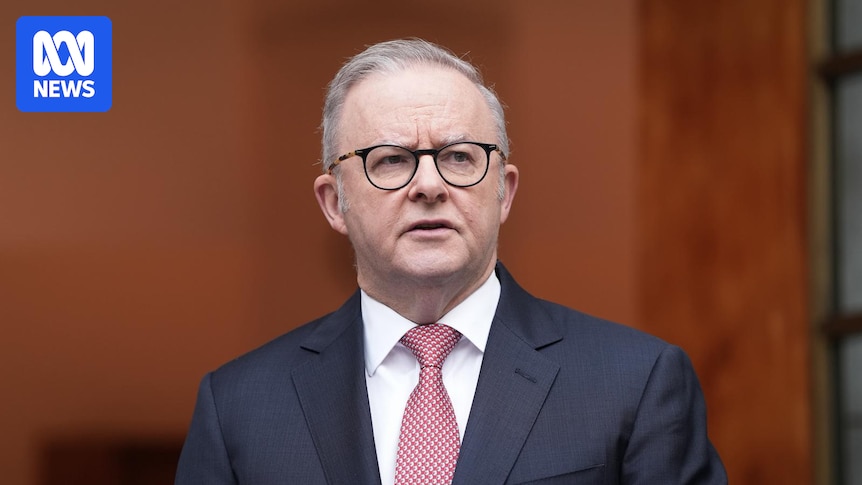
Prime Minister Anthony Albanese’s net approval has improved slightly, now at -10, while Sussan Ley, the Coalition’s leader, has seen her net approval plummet by 11 points to -39. This is the worst rating for a major party leader in Newspoll since Labor’s Simon Crean in 2003. Albanese continues to lead Ley as the preferred Prime Minister, with a margin of 49% to 30%.
Despite the Coalition’s internal struggles, Labor can find some solace in the fact that the poll results were not worse, especially following the Reserve Bank’s recent interest rate hike.
Factors Behind One Nation’s Popularity
One Nation’s rise can be traced back to various factors, including dissatisfaction among right-wing voters following Labor’s landslide victory and perceived weaknesses in Ley’s leadership. The December 14 Bondi terrorist attacks further amplified One Nation’s anti-immigrant and anti-Muslim rhetoric, boosting their support into the 20s, just behind the Coalition.
The split within the Coalition on January 22 has also contributed to One Nation’s ascendancy. Although the Coalition has since reformed, the damage appears to be lasting. If One Nation replaces the Coalition as the primary right-wing party by the next election, Labor may hold strategic advantages.
Comparative Analysis of Polls
The Redbridge poll, conducted from January 22 to 29, shows Labor at 34%, One Nation at 26%, and the former Coalition parties at 19%. Meanwhile, the Morgan poll, conducted from January 26 to February 1, reflects similar trends, with Labor at 30.5%, One Nation at 25%, and the Coalition at 20.5%.
“The four January Morgan polls have had One Nation and the Coalition going in opposite directions. One Nation was at 15% in the first poll, then 21%, 22.5%, and 25%, while the Coalition began at 30.5%, then 24%, 22.5%, and 20.5%.”
Demographic breakdowns from Morgan reveal that Labor leads the Coalition across all states, with significant margins in South Australia. One Nation’s support is strongest in New South Wales and Queensland, with age demographics showing peak support among those aged 50 to 64.
Looking Ahead
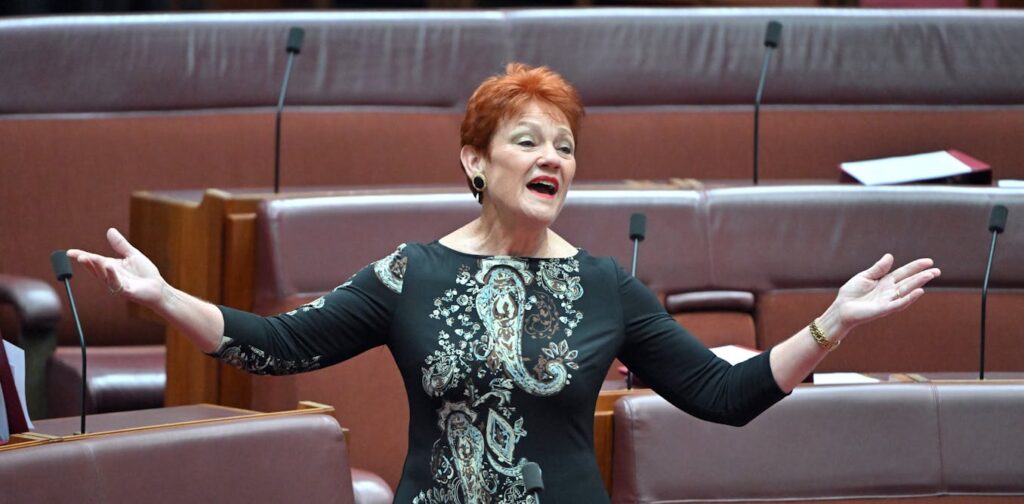
As Australia approaches its next federal election, due by May 2028, the political dynamics could shift further. One Nation’s leader, Pauline Hanson, has yet to face extensive media and political scrutiny, which could impact her party’s standing. Additionally, the influence of international politics, particularly the unpopularity of Donald Trump in Australia, may also play a role in shaping voter preferences.
The coming months will be crucial for all parties as they navigate this evolving political landscape. The Coalition will need to regroup and redefine its strategy, while Labor and One Nation will continue to vie for dominance in an increasingly competitive arena.