



A New South Wales government department has come under intense scrutiny after it was revealed that two foster children were living with a convicted triple killer in Western Sydney. The department had been aware of the situation since December but only took action this week. Minister for Families and Communities, Kate Washington, expressed her shock and dismay over the incident during an interview on radio station 2GB.
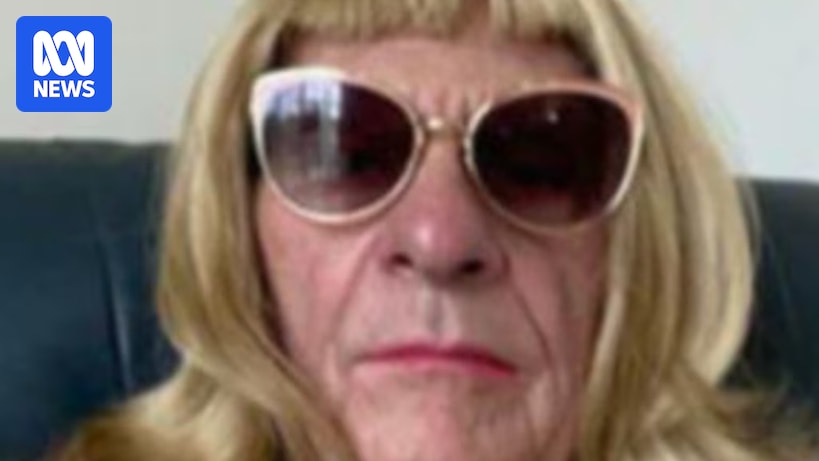
Washington described the oversight as “entirely unacceptable” and stated, “It should never have happened and I’m deeply apologetic for what has happened.” The revelation came to light when a concerned listener alerted the radio station that the children, aged 12 and 14, were residing in the same household as 79-year-old Regina Arthurell, formerly known as Reginald Arthurell.
Background of Regina Arthurell
Regina Arthurell’s criminal history is both extensive and violent. In 1995, Arthurell was convicted of murdering a former partner by striking her in the head with a piece of wood. Prior to this, Arthurell had been convicted of manslaughter on two separate occasions. Despite this history, the children were placed in the same home, a decision that has drawn widespread condemnation.
Minister Washington admitted that she was only made aware of the situation recently, although her department had known for several months. “The department was made aware of the situation in late December, and some very poor decisions were made at that time,” she said.
Government Response and Investigation
In response to the public outcry, the Department of Communities and Justice has initiated a comprehensive review. “This review is going to go through the whole timeline,” Washington stated. “Who knew what when? And who made what decisions when?” The review is being led by Michael Tidball, the secretary of the Department of Communities and Justice, who acknowledged the gravity of the situation during a parliamentary budget estimates hearing.
“I will do a proper review [and] I’ll do it as quickly as I can,” Tidball assured. “I would expect over the next few days that most of the work will come together.”
During the hearing, shadow Attorney-General Damien Tudehope raised concerns about the possibility of other foster children living with dangerous individuals. Tidball responded, “To my knowledge, absolutely not.”
Supervision Orders and Legal Oversight
The case has also raised questions about the legal mechanisms in place to monitor high-risk offenders like Arthurell. In 2021, following the expiration of Arthurell’s parole, an extended supervision order was imposed, which included electronic monitoring and alcohol rehabilitation conditions. Justice Richard Button, at the time, acknowledged Arthurell’s poor health and efforts at rehabilitation but cautioned against underestimating the potential for violence.
“A frail, even physically disabled, person can inflict fatal harm once armed with a weapon,” Justice Button noted.
Attorney-General Michael Daley faced inquiries about why Arthurell’s supervision order was not extended beyond 2024. He explained that decisions regarding extended supervision orders are informed by a High Risk Offenders Assessment Committee, which provides expert advice based on extensive medical and psychiatric evaluations.
“There are months and months of medical and psychiatric and other assessments made by the experts that underpin that panel,” Daley said. “And attorneys-general act on advice in relation to those matters.”
Implications and Future Steps
The incident has sparked a broader conversation about the safety and oversight of foster care placements in New South Wales. The review led by Tidball is expected to provide critical insights into the failures that allowed this situation to occur and recommend measures to prevent similar cases in the future.
As the investigation unfolds, the government faces mounting pressure to ensure the safety and well-being of children in its care, with potential policy changes on the horizon to tighten the supervision and placement processes for vulnerable children.