


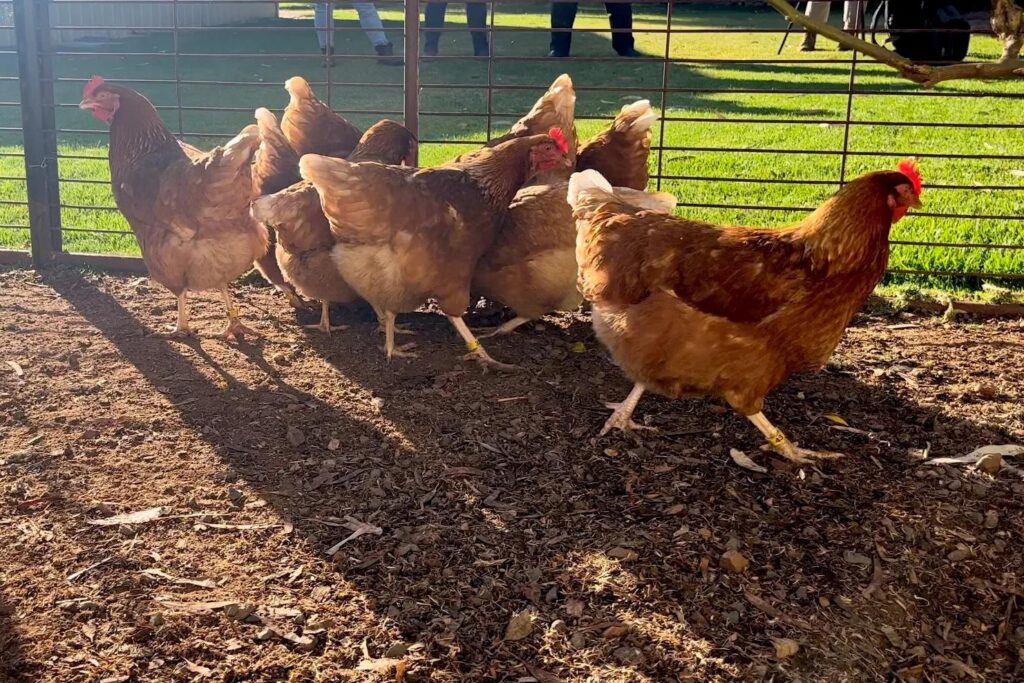
NSW Health has issued an urgent warning to residents to protect themselves against mosquito bites following a probable case of Japanese encephalitis (JE) and the detection of the virus in sentinel chickens. The alert comes as health officials investigate a potential JE case in a man in his 60s, who likely contracted the virus in the Riverina region late last year.
“A probable case of JE is being investigated in a man in his 60s, who was likely exposed to JE virus in the Riverina region in late December of last year,” a spokesperson for NSW Health stated. “NSW Health can also advise of a recent detection of JE virus in the Upper Lachlan Shire near Goulburn through a sentinel chicken blood sample in early January 2026, which indicates that JE virus is likely circulating in the area.”
Understanding the Threat of Japanese Encephalitis
Japanese encephalitis is a mosquito-borne viral infection that can lead to severe neurological illness. While it cannot be transmitted directly between humans or from other animals, the presence of the virus in sentinel chickens—a common method for monitoring mosquito-borne diseases—serves as an early warning system for public health officials.
Director of Public Health for the Murrumbidgee Local Health District, Alison Nikitas, emphasized the importance of taking preventive measures. “There is no specific treatment for JE, so it is very important for people who live in or travel to these areas to be aware of the elevated risks,” she said. “Importantly, there is a safe, effective vaccine to protect against JE virus which is free to anyone who lives or routinely works in various inland regions as well as for people who work in some other high-risk occupations.”
Preventive Measures and Vaccination
NSW Health is urging those at risk to get vaccinated. The JE vaccine is available through general practitioners, Aboriginal health services, and pharmacists. “People who meet the eligibility criteria for vaccination should make an appointment with their GP, Aboriginal Medical Service, or pharmacy and let the provider know it is for the JE vaccine,” NSW Health advised. Providers may require a few days’ notice to order the vaccine.
In addition to vaccination, residents are encouraged to follow several preventive measures to avoid mosquito bites:
- Apply repellent to exposed skin, using products that contain DEET, picaridin, or oil of lemon eucalyptus.
- Reapply repellent regularly, especially after swimming, ensuring sunscreen is applied first.
- Wear light, loose-fitting long-sleeve shirts, long pants, socks, and covered footwear.
- Avoid outdoor activities during peak mosquito times, particularly at dawn and dusk.
- Utilize insecticide sprays, vapor dispensing units, and mosquito coils, ensuring coils are used in well-ventilated outdoor areas.
- Install insect screens on windows and doors, and eliminate potential mosquito breeding sites by removing stagnant water sources.
- Protect infants under three months with mosquito netting over carriers and use tents with fly screens while camping.
Looking Ahead
As the investigation into the probable JE case continues, NSW Health remains vigilant in monitoring the situation. The agency is committed to providing updates and ensuring that residents have access to the necessary resources to protect themselves.
For more information on eligibility for a free JE vaccine or additional details on the virus and protective measures, residents are encouraged to visit the NSW Health website at https://www.health.nsw.gov.au/mosquitoes.
The public is reminded that while JE poses a significant health risk, it cannot be transmitted directly between humans or from other animals, underscoring the importance of mosquito control and vaccination as primary defenses against the virus.