




In a startling revelation, the New South Wales (NSW) Firearms Registry has come under scrutiny for granting a gun permit to Jack O’Rourke, known as “Jihad Jack,” a man with a history of terrorist affiliations. This decision, made in 2022, came just a year before Sajid Akram, the alleged Bondi gunman, received his firearm permit, raising significant concerns about the vetting processes of the registry.
O’Rourke, who once fought for the Taliban and reportedly met Osama bin Laden, was granted a gun licence without immediate alarm from the NSW Police counterterrorism unit. It was only when he attempted to transfer his licence to another name that the oversight was flagged, leading to a delayed revocation a year later. The registry’s defense during the appeal highlighted its stance that verifying the information provided was not its responsibility.
Systemic Failures in Gun Licensing
The case of Jihad Jack underscores broader systemic issues within the NSW Firearms Registry. These concerns are not isolated, as shown by the tragic case of John Edwards, who was granted a permit despite a history of violence and restraining orders. Edwards later used his legally obtained firearms to commit a double murder-suicide, killing his two children in 2018.
Coroner Teresa O’Sullivan’s 2021 findings pointed to systemic failures, noting that if available information had been properly analyzed, Edwards’ licence would have been denied. The registry’s reliance on outdated technology and manual data entry has been criticized for contributing to these lapses.
Cross-Border Information Gaps
Another troubling case involved Nathaniel Train, whose gun licence was suspended only after he unlawfully crossed into Queensland during COVID lockdowns. His case highlighted the lack of real-time information sharing between states, with Queensland police data being outdated at the time.
The 2019 auditor-general’s report criticized the NSW registry for leaving critical decisions to junior staff and failing to validate data, emphasizing the need for digitization and better information flow across jurisdictions.
Recent Incidents and Legislative Response
The recent Bondi shooting, where Sajid Akram and his son Naveed, who had been investigated by ASIO, opened fire at a Jewish religious festival, killing 15 and injuring 40, has intensified calls for reform. The NSW government is now poised to introduce stricter gun laws, aiming to prevent individuals with terrorism links or those living with such individuals from obtaining firearms.
Police Minister Yasmin Catley acknowledged the registry’s past inefficiencies, citing serious backlogs and a lack of digitization prior to 2023. The new laws will limit gun ownership, reduce licence terms, and eliminate NCAT appeals for licence revocations.
Public Opinion and Future Directions
The public sentiment strongly favors tougher gun laws. A recent poll by the Herald/Age Resolve Political Monitor found that 75% of Australians support stricter regulations. This aligns with findings from The Australia Institute, which highlighted the growing number of firearms in NSW, despite a decrease in gun ownership since the Port Arthur massacre.
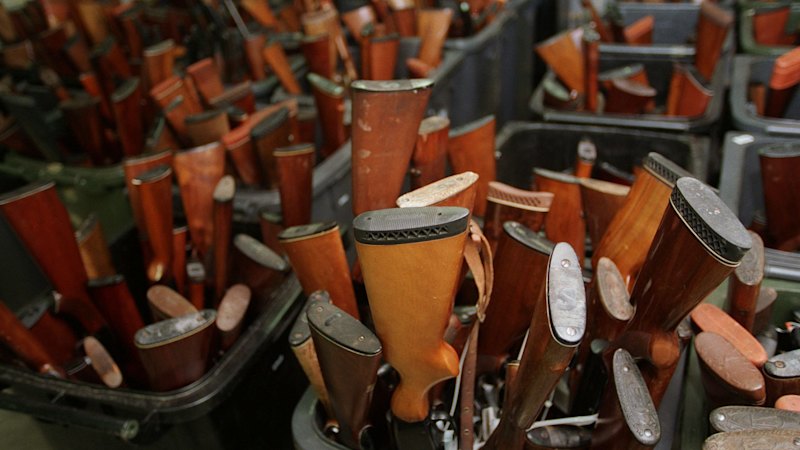
West Australia’s recent legislation limiting recreational gun ownership has set a precedent that NSW plans to follow. The upcoming firearms buyback program aims to reduce the number of guns in circulation, addressing concerns about public safety and the potential for future tragedies.
Greens MP Sue Higginson emphasized the importance of these measures, stating, “These are measures that gun safety advocates and experts have been calling for over years.” The NSW government’s commitment to reform reflects a broader national conversation about balancing individual rights with community safety.
As the state moves forward, the focus will be on implementing these changes effectively and ensuring that the lessons from past oversights lead to a more secure future.