

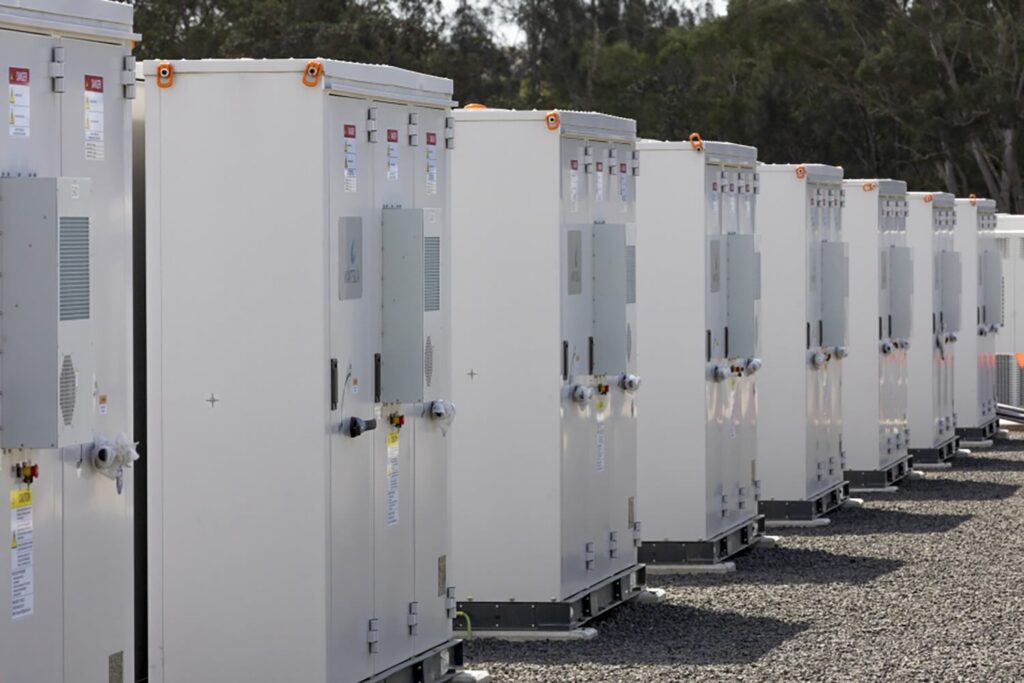
Plans to develop a 200 megawatt, two-hour battery in New South Wales have been sent to the Independent Planning Commission (IPC) for assessment. This decision follows 61 objections, predominantly from individuals residing hundreds of kilometers away from the proposed site, with 24 objections originating from different states entirely.
The Steel River Battery Energy Storage System (BESS), intended for construction adjacent to an existing substation in an industrial estate in Newcastle, is one of two significant batteries being developed by Ausgrid. This marks the company’s initial venture into utility-scale energy storage. Alongside a similar project proposed for Homebush, the Newcastle-based BESS was submitted to the New South Wales (NSW) government’s planning department for evaluation in November 2024.
Local and Distant Opposition
The Steel River plans have now reached the IPC after receiving 64 community submissions during the public exhibition phase, including three in support—all from within 50 km of the project—and 61 objections, all from beyond this range. Notably, nearly all objectors reside more than 200 km from the proposed site, with 11 submissions from NSW coming from between 400 km and 600 km away, near the state’s southern border.
Additionally, 24 objections were submitted from interstate, including 17 from Victoria, six from Queensland, and one from Tasmania. Among these, the Queensland-based Rainforest Reserves, known for opposing solar, wind, or storage projects, was a notable objector.
State Rules and Their Implications
For developers of renewable energy and storage projects in NSW, this pattern of distant objections is becoming increasingly familiar. Under state regulations, any project receiving over 50 objections must be referred to the IPC, regardless of the objectors’ locations. While this process sometimes functions as intended, such as with a gigawatt-scale battery project near Tamworth where most objections were local, it is increasingly being leveraged by anti-renewables groups and serial objectors.
Earlier this month, the IPC canceled a public meeting concerning the Burroway solar farm, proposed by Edify Energy in central western NSW, after none of the over 80 objectors registered to speak. This incident highlights the growing trend of non-local opposition influencing the planning process.
Concerns and Criticisms
The proposed Steel River BESS is set to be located next to the existing substation in the Steel River Industrial Estate in Mayfield West, northern Newcastle. If approved, a third party will build and operate the project. According to the Environmental Impact Statement (EIS) submissions report, objections addressed a variety of concerns, including modern slavery, perceived inefficiencies of BESS technology, economic, environmental, and social impacts, fire risks, chemical waste, and agricultural impacts.
“I want you All to Go To China and Never Come Back. Never. Never. Go away,” stated one submission from the NSW New England region, reflecting the intense emotions surrounding the project.
Looking Ahead
The move to refer the Steel River BESS to the IPC underscores the challenges faced by renewable energy projects in navigating public opinion and regulatory frameworks. As the IPC reviews the project, stakeholders will be closely monitoring the outcome, which could set precedents for future energy storage initiatives in the region.
Meanwhile, the broader implications of this trend raise questions about the effectiveness of current planning processes in balancing local interests with broader environmental and energy goals. As Australia continues to transition towards renewable energy, the discourse surrounding such projects is likely to remain contentious.
Ultimately, the decision by the IPC will not only impact the future of the Steel River BESS but also signal how NSW will handle similar objections in upcoming renewable energy projects.