
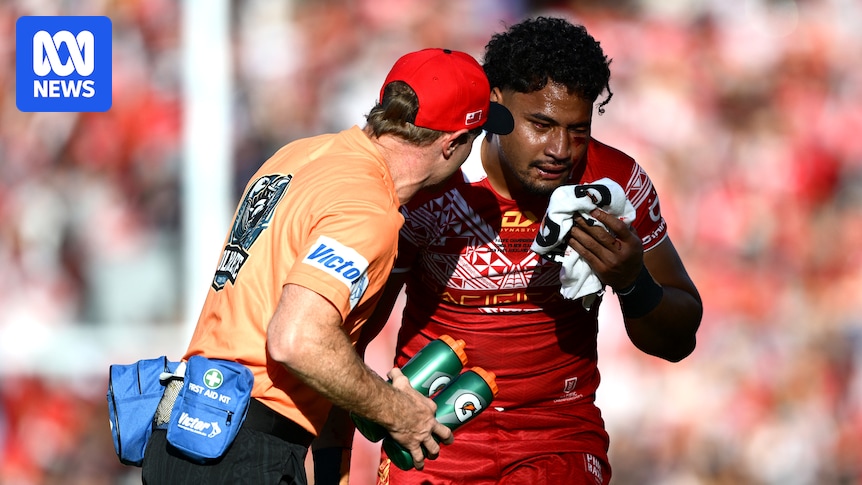
Three Tonga team officials are facing potential two-year suspensions following an investigation by the National Rugby League (NRL) into the circumstances surrounding Eli Katoa’s head injuries. Katoa, a prominent player, was forced out of the 2026 season after suffering multiple head knocks during Tonga’s Pacific Championship Test against New Zealand at Auckland’s Eden Park on November 2.
The NRL has issued breach notices to the Tonga team’s head doctor, assistant doctor, and head trainer, citing concerns over Katoa’s on-field treatment. The proposed penalties include a two-year ban from working with any NRL or representative teams for the doctors, while the head trainer faces a similar suspension. Additionally, the team’s medical assistant has received a formal warning.
Details of the Incident
Eli Katoa’s ordeal began with a collision involving teammate Lehi Hopoate before the Test match against New Zealand. Subsequently, Katoa endured two more head knocks during the game. The situation escalated when he experienced seizure activity on the sideline, necessitating immediate medical attention and hospitalization for brain surgery due to a brain bleed.
Following weeks of recovery in Auckland, Katoa returned to Melbourne, where he continues to undergo further testing under the supervision of hospital specialists. The NRL has expressed its commitment to supporting Katoa and his family during this challenging period.
NRL’s Investigation and Findings
The NRL’s investigation has raised significant concerns about potential breaches of league rules and protocols. According to an official statement, the investigation identified a possible breakdown in communication among medical and health professionals responsible for Katoa’s safety. The NRL emphasized the importance of sharing and disclosing information critical to player health, which appears to have been neglected in this case.
“The NRL rules and protocols exist to protect player safety and wellbeing and must be followed,” the NRL statement asserted.
The breach notices issued to the Tonga team officials allow them five business days to respond. The NRL’s actions underscore its commitment to enforcing strict adherence to safety protocols designed to safeguard players’ health.
Implications and Expert Opinions
The proposed bans highlight the NRL’s zero-tolerance approach to breaches of player safety protocols. Experts in sports medicine have long advocated for stringent measures to address head injuries, citing the long-term health risks associated with concussions and repeated head trauma.
Dr. Sarah Thompson, a sports medicine specialist, commented on the situation, “This incident serves as a stark reminder of the critical need for effective communication and adherence to established safety protocols. The health and wellbeing of players must always be the top priority.”
The NRL’s decision to propose significant penalties reflects a growing recognition of the seriousness of head injuries in contact sports. This development follows heightened scrutiny of concussion management practices across various sports leagues globally.
Looking Ahead
As the Tonga team officials prepare their responses to the breach notices, the broader rugby league community is likely to engage in discussions about enhancing player safety measures. The NRL’s actions may prompt other leagues to reevaluate their protocols and ensure rigorous enforcement to prevent similar incidents.
Meanwhile, Eli Katoa’s recovery remains a priority, with ongoing medical assessments determining his future in the sport. The incident has sparked conversations about the long-term impacts of head injuries and the need for comprehensive support systems for affected players.
The NRL’s stance on this matter may set a precedent for how sports organizations address breaches of safety protocols, potentially influencing policy changes and fostering a safer environment for athletes.