



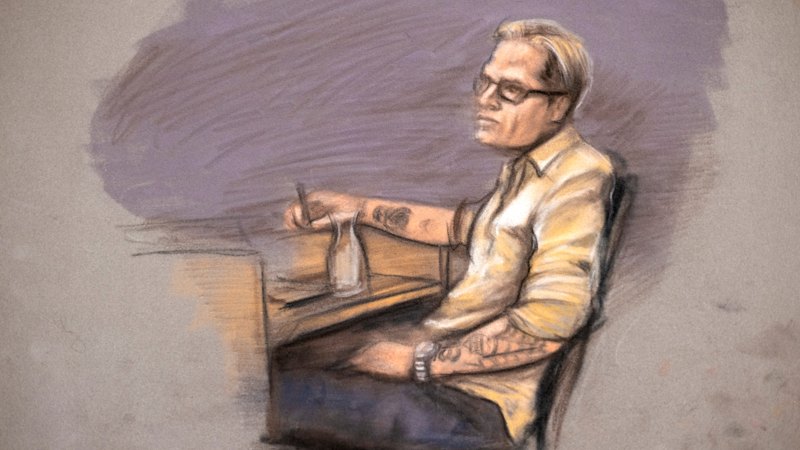
Oslo: In a case that has captivated Norway and cast a shadow over its royal family, Marius Borg Høiby, the son of Crown Princess Mette-Marit, broke down in tears as he denied allegations that videos on his phone depicted acts of rape. The trial, which began with Høiby’s emotional testimony, centers on charges of rape and domestic violence, threatening to send the 29-year-old to prison for years if convicted.
Høiby, who became part of the royal family in 2001 when his mother married Crown Prince Haakon, attributed his struggles with alcohol and sex to his upbringing in the public eye. He pleaded not guilty to the most serious charges but admitted partial guilt for aggravated assault and reckless behavior, a plea permissible under Norwegian law.
Trial’s Impact on the Royal Family
The trial has riveted the nation at a time when Crown Princess Mette-Marit is under renewed scrutiny for her past association with the late U.S. sex offender Jeffrey Epstein. Høiby, visibly emotional, described the challenges of testifying in a courtroom filled with reporters, stating, “I have been surrounded by the press since I was three. I have been harassed ever since.”
Høiby, dressed in casual attire, occasionally referred to handwritten notes during his testimony. He faces charges including one count of rape with sexual intercourse and three counts of rape without intercourse, with some incidents allegedly recorded on his phone. The prosecution claims these videos show non-consensual acts, which Høiby denies.
“If I had thought I had material that showed an assault, I would never have kept that material,” Høiby asserted in court.
Allegations and Defense
The prosecution’s case includes an incident from 2018 at the crown prince’s residence, where Høiby allegedly filmed himself performing a sex act on an unconscious woman. The court viewed this video in a closed session. Høiby admitted to having sex with the woman but denied any non-consensual acts or filming them.
“We had completely normal sex, as far as I can remember,” Høiby testified. “Afterwards, I told her to go. So I called her a taxi. I don’t have sex with people who are not awake.”
The alleged victim testified earlier, stating she was unaware of the alleged rape until police informed her about the video. The prosecution argues she was incapable of consenting to the act.
Broader Implications for the Monarchy
The trial is scheduled to continue until March 19, but its repercussions are already being felt beyond the courtroom. The royal family, already dealing with various challenges, faces increased public scrutiny. A recent opinion poll conducted by Verdens Gang newspaper revealed a decline in support for the monarchy, with only 61% of Norwegians in favor, down from 72% the previous year.
King Harald, the 88-year-old monarch, has reduced his public duties following health issues, including a pacemaker implantation. Meanwhile, Crown Princess Mette-Marit, diagnosed with pulmonary fibrosis, is reportedly in need of a lung transplant. The royal palace announced her decision to postpone a private trip abroad, though details remain sparse.
According to the poll, 27% of Norwegians now favor transitioning to a republic, a 10-percentage-point increase from last year.
Historical Context and Future Outlook
Norway’s royal family has faced its share of controversies over the years. Princess Martha Louise, King Harald’s daughter, stepped back from official duties in 2022 to pursue personal business interests. Her marriage to an American self-styled shaman and their subsequent Netflix documentary drew criticism for perceived disrespect towards the monarchy.
The current trial and its surrounding controversies could have lasting implications for the royal family’s public image. As the trial progresses, the Norwegian public and media continue to scrutinize every development, reflecting broader questions about the monarchy’s role in modern society.
The outcome of Høiby’s trial and the royal family’s response to ongoing challenges will likely shape public perception and the future of Norway’s monarchy. As the nation watches closely, the trial’s conclusion in March may provide some answers, though the broader implications could linger for years to come.