


Four individuals have been hospitalized in North Queensland due to melioidosis, a potentially fatal soil-borne illness, as the region grapples with the aftermath of a week-long deluge. The affected patients, aged between 67 and 89, hail from Armstrong Beach, Seaforth, and Bowen, and are currently receiving treatment at Mackay Base Hospital.
The recent infections have raised the total number of confirmed cases in Queensland to 16 as of January 19. This includes six cases in Cairns and its surrounds, five in the Townsville region, one in Mackay, and another in the Torres and Cape regions. The emergence of new cases in Mackay has prompted the director of the Mackay Public Health Unit, Steven Donohue, to issue a stern warning to those involved in post-flood clean-up activities following ex-Tropical Cyclone Koji.
Understanding Melioidosis
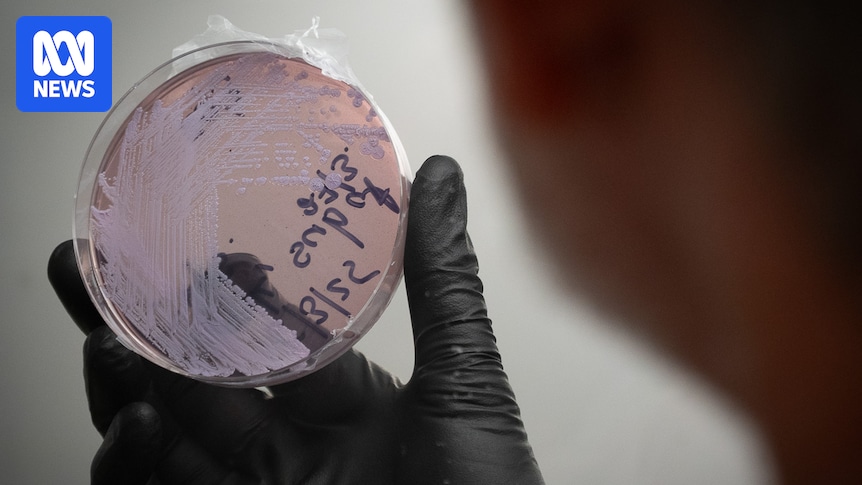
Melioidosis is caused by the bacterium Burkholderia pseudomallei, which typically enters the body through skin abrasions or by inhaling contaminated water droplets. Dr. Donohue emphasized that individuals with pre-existing health conditions, such as diabetes or kidney disease, are at heightened risk.
“People at most risk of contracting melioidosis are already unwell, elderly, or have existing chronic conditions,” Dr. Donohue stated.
Despite the severity of the disease, Dr. Donohue reassured the public that the current cases do not warrant panic, noting that early diagnosis and antibiotic treatment can be life-saving.
Rising Case Numbers and Public Health Response
In response to the uptick in cases, Queensland Health has launched a comprehensive public health campaign and initiated investigations to pinpoint the cause of the 2025 outbreak. The campaign aims to educate the public on preventive measures during flood clean-up operations.
Dr. Michael Clements, Rural Chair of the Royal Australian College of General Practitioners, highlighted the increased risk of contracting melioidosis during such times. He explained that the flooding had likely brought the bacteria to the surface, increasing exposure risks.
“A week’s worth of rain has brought that bacteria to the surface,” Dr. Clements noted. “If we breathe in some of the bacteria because we’ve been pressure washing or spraying or even mowing the lawn, there’s a risk there.”
Dr. Clements advised that individuals involved in clean-up efforts should take precautions, such as wearing masks or covering their skin, to minimize exposure.
Historical Context and Future Implications
The current situation is reminiscent of previous outbreaks, with 36 fatalities reported from January to November 2025, compared to nine deaths from melioidosis and glanders in 2022. This historical context underscores the potential severity of the disease if not managed promptly.
Looking ahead, the focus remains on public education and preventive measures to curb the spread of melioidosis. As clean-up efforts continue, authorities urge residents to remain vigilant and seek medical attention if symptoms arise.
Meanwhile, the community’s resilience is being tested as they navigate the dual challenges of flood recovery and disease prevention. The ongoing public health initiatives aim to safeguard the population while facilitating a safe return to normalcy.
As the situation evolves, health officials continue to monitor developments closely, ensuring that the public is informed and protected against further outbreaks.