




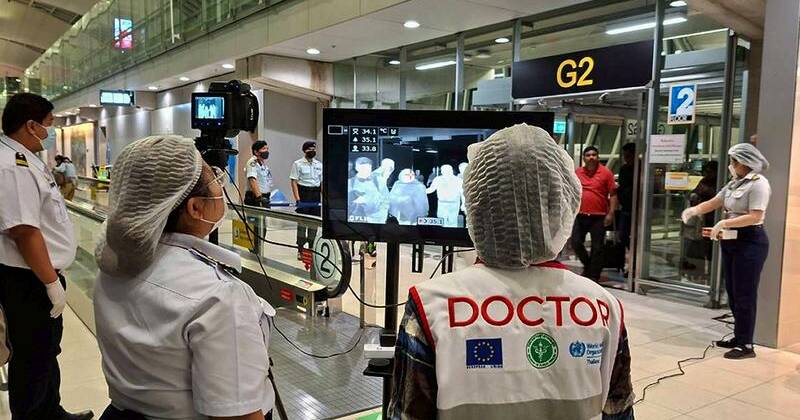
In response to two confirmed cases of the Nipah virus in India, authorities in Thailand, Singapore, Hong Kong, and Malaysia have heightened airport screening measures to prevent the potential spread of the infection. The virus, known for its severe symptoms and high fatality rate, has triggered immediate action across the region.
Thailand has begun screening passengers at three major airports receiving flights from India, while Singapore’s Communicable Diseases Agency has implemented temperature checks for incoming flights from affected areas. Hong Kong and Malaysia are also reinforcing their health screening protocols to mitigate risks.
Understanding the Nipah Virus
The Nipah virus, primarily carried by fruit bats and animals like pigs, can lead to fever and brain inflammation in humans. According to health experts, the virus has a fatality rate ranging from 40% to 75%. Although human-to-human transmission is possible, it usually requires prolonged contact with an infected person.
Historically, the virus was first identified over 25 years ago during an outbreak among pig farmers in Malaysia and Singapore. Scientists believe that it has been circulating in flying foxes, or fruit bats, for thousands of years. The World Health Organization classifies Nipah as a priority pathogen due to the absence of licensed vaccines or treatments and its potential to mutate.
Current Situation in India
The recent cases in India were detected in the eastern state of West Bengal, involving two health workers who are currently receiving treatment at a local hospital. The Indian health ministry has traced 196 contacts linked to these cases, none of whom have shown symptoms or tested positive for the virus.
“Speculative and incorrect figures regarding Nipah virus disease cases are being circulated,” the Indian health ministry stated. “Enhanced surveillance, laboratory testing, and field investigations were undertaken … which ensured timely containment of the cases.”
Regional Response and Precautions
The reports of infections have put neighboring Southeast Asian nations on high alert. In Singapore, authorities are not only conducting temperature screenings but also collaborating with South Asian counterparts to understand the situation better. Efforts are underway to establish a global platform for countries to report genome sequencing of detected cases.
In Hong Kong, the airport authority is facilitating enhanced health screening measures, including temperature checks for passengers arriving from India. Meanwhile, Thailand has designated specific parking bays for aircraft arriving from areas with Nipah infections and requires passengers to complete health declarations before clearing immigration.
Expert Opinions and Future Outlook
Virologists emphasize that while vigilance is necessary, the current risk to the general population remains low. Efstathios Giotis, a lecturer in molecular virology at the University of Essex, stated,
“While vigilance is warranted, there is no evidence to suggest a broader public health threat at this stage.”
Several vaccines are in development, but they are still undergoing testing. The possibility of the virus mutating and becoming more transmissible remains a concern, underscoring the importance of continued research and preparedness.
Implications and Next Steps
The coordinated response across Asia highlights the region’s proactive approach to managing potential health threats. The situation underscores the importance of international collaboration in monitoring and controlling infectious diseases.
As authorities continue to monitor the situation, the focus remains on containment and prevention. The enhanced screening measures at airports are a critical component of this strategy, aiming to prevent the spread of the virus beyond its current confines.
Moving forward, the development of effective vaccines and treatments will be crucial in mitigating future outbreaks. The global health community remains vigilant, prepared to adapt strategies as new information emerges.