

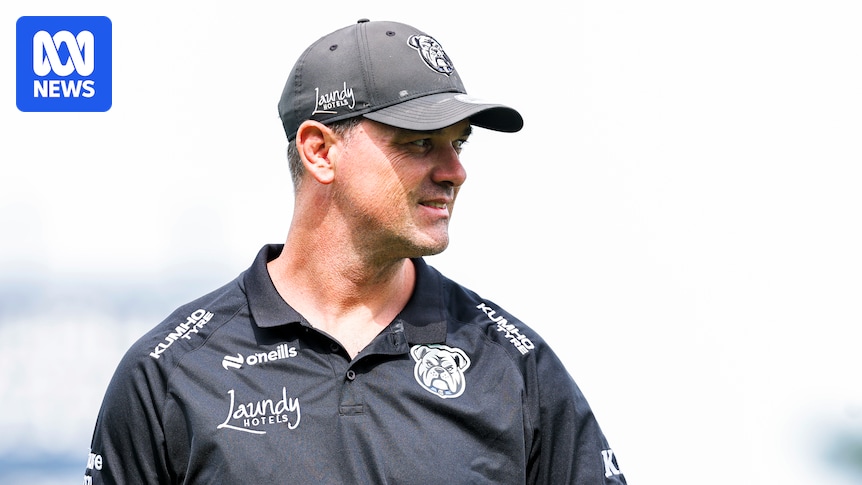
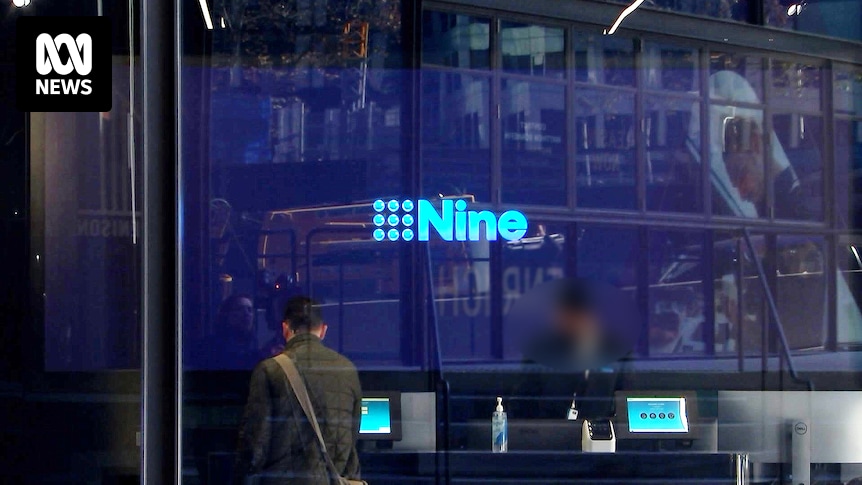
Nine Entertainment has announced the sale of its radio network to billionaire pub tycoon Arthur Laundy for $56 million, marking a significant shift in the company’s strategic focus towards outdoor advertising. This decision is part of a broader restructuring effort that includes a substantial investment in QMS, an outdoor advertising company.
The transaction involves the transfer of prominent radio stations such as Melbourne’s 3AW and Sydney’s 2GB, along with popular presenters including Ben Fordham and Tom Elliott. Arthur Laundy, whose net worth is estimated at $1.75 billion, is a well-known figure in the hospitality industry, owning over 40 pubs across New South Wales. He is also the father of former Liberal MP Craig Laundy and Stu Laundy, a former contestant on the reality TV show “The Bachelorette.”
Nine’s Strategic Realignment
The sale price of $56 million is a stark contrast to the $275 million valuation of the network just seven years ago when Nine took full control of what was then Macquarie Media. At that time, the network boasted high-profile personalities such as Alan Jones and Ray Hadley, who have since departed, contributing to the network’s declining value.
The decline in traditional radio listenership, exacerbated by the rise of digital media, has pressured broadcasters to adapt. Younger audiences are increasingly turning to digital platforms, leaving traditional radio to compete for a dwindling audience primarily composed of baby boomers.
Investment in Outdoor Advertising
Simultaneously, Nine has invested $850 million to acquire QMS from private equity group Quadrant. This move underscores Nine’s confidence in the growth potential of outdoor advertising, a sector that has shown resilience and adaptability in the face of changing media consumption patterns.
In addition to the radio network sale, Nine has also divested its regional TV station, NBN, to affiliate WIN for $14.8 million. These strategic moves are part of Nine’s broader effort to streamline operations and focus on high-growth areas.
Industry Reactions and Implications
Nine’s chief executive, Matt Stanton, expressed optimism about the company’s future, stating that these changes would “create a more efficient, higher-growth, and digitally powered Nine Group for our consumers, advertisers, shareholders, and people.”
However, veteran media analyst Peter Cox highlighted the contrasting strategies within the industry. “Southern Cross and Seven are saying radio is the future,” he told the ABC. “But here’s Nine saying that ‘No, we don’t think that’s the future, it’s billboards by the side of the road’.
Nine is expected to reap about $50 million in cash from the sale after transaction costs and debt adjustments are made. This will be booked as a gain of about $10 million due to a prior write-down in the network’s value.
Financial and Operational Benefits
The sale also offers Nine a tax benefit of approximately $50 million, as the company records a loss compared to the original purchase price for tax purposes. This financial maneuvering is expected to provide Nine with additional capital to invest in its digital and advertising ventures.
Within Nine’s publishing division, which includes major mastheads like The Age and The Sydney Morning Herald, the sale has been met with relief. Some staff members were reportedly uncomfortable with the association with the more outspoken right-wing radio network.
Future Collaborations and Partnerships
Despite the sale, Nine has indicated that it will continue to collaborate with the radio stations under Laundy’s ownership. “Laundy is expected to remain a long-term partner of Nine, with plans to utilise Nine News journalists on radio, showcase Stan Sport through Laundy venues, provide promotion and advertising sales collaboration, as well as increased advertising spend by Laundy on Nine properties,” the company stated.
As Nine pivots towards outdoor advertising and digital media, the industry will be watching closely to see how these strategic changes unfold and impact the media landscape in Australia.