


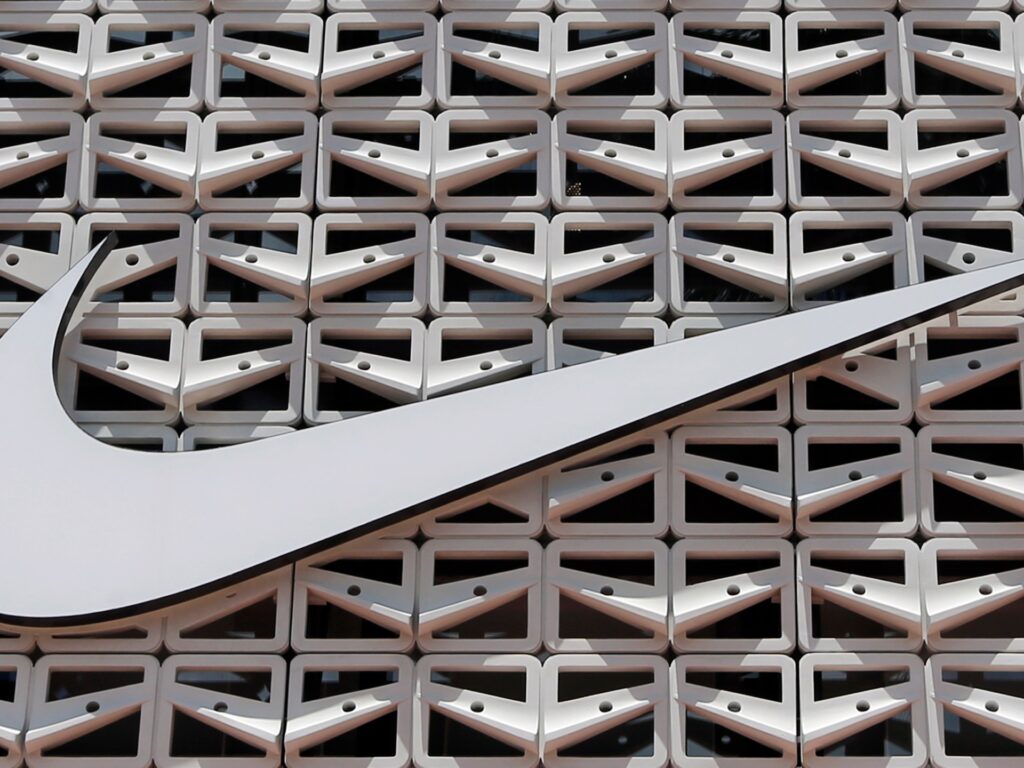
Nike is currently under investigation by the United States Equal Employment Opportunity Commission (EEOC) following allegations that its diversity and inclusion policies discriminate against white employees. The federal agency announced on Wednesday that it has filed a court motion to compel Nike to provide information regarding claims of “intentional race discrimination” against white staff members.
The allegations suggest a pattern of discrimination in various employment practices, including hiring, promotions, demotions, and layoffs, as well as in internship and career development programs. The EEOC’s action comes after Nike reportedly failed to comply with a subpoena requesting details on criteria for employee redundancies and executive compensation.
EEOC’s Renewed Focus on Equal Enforcement
Andrea Lucas, the EEOC chair appointed by former President Donald Trump, emphasized the agency’s commitment to enforcing anti-discrimination laws that protect employees of all races. Lucas, a known critic of certain diversity initiatives, stated that U.S. anti-discrimination laws are “color-blind” and must be applied evenly.
“Thanks to President Trump’s commitment to enforcing our nation’s civil rights laws, the EEOC has renewed its focus on even-handed enforcement of Title VII,” Lucas stated, referencing the 1964 Civil Rights Act’s prohibition of employment discrimination based on race, color, religion, or sex.
Nike, headquartered in Beaverton, Oregon, has not yet commented on the investigation. The EEOC’s move is perceived as part of a broader effort by the Trump administration to dismantle diversity, equity, and inclusion (DEI) policies in the workplace.
Historical Context and Corporate Response
This development follows a series of actions by the Trump administration aimed at reversing DEI initiatives. Upon his return to the White House, Trump signed an executive order to eliminate what he termed “radical” and “wasteful” DEI programs initiated under President Joe Biden.
In recent years, Nike has been vocal in its support for social justice causes, including the Black Lives Matter movement. According to a Bloomberg analysis, the company saw a notable increase in its share of non-white employees between 2020 and 2021, second only to healthcare provider Danaher.
Implications and Future Outlook
The EEOC’s investigation into Nike could have significant implications for corporate diversity policies across the United States. As companies navigate the complex landscape of DEI initiatives, the outcome of this case may influence how businesses structure their diversity programs moving forward.
Experts suggest that the case could set a precedent for how claims of reverse discrimination are handled, potentially prompting other companies to re-evaluate their own policies to ensure compliance with federal regulations.
As the investigation progresses, all eyes will be on Nike’s response and the potential impact on its reputation and business practices. The case underscores the ongoing debate over the balance between promoting diversity and ensuring fairness for all employees.