
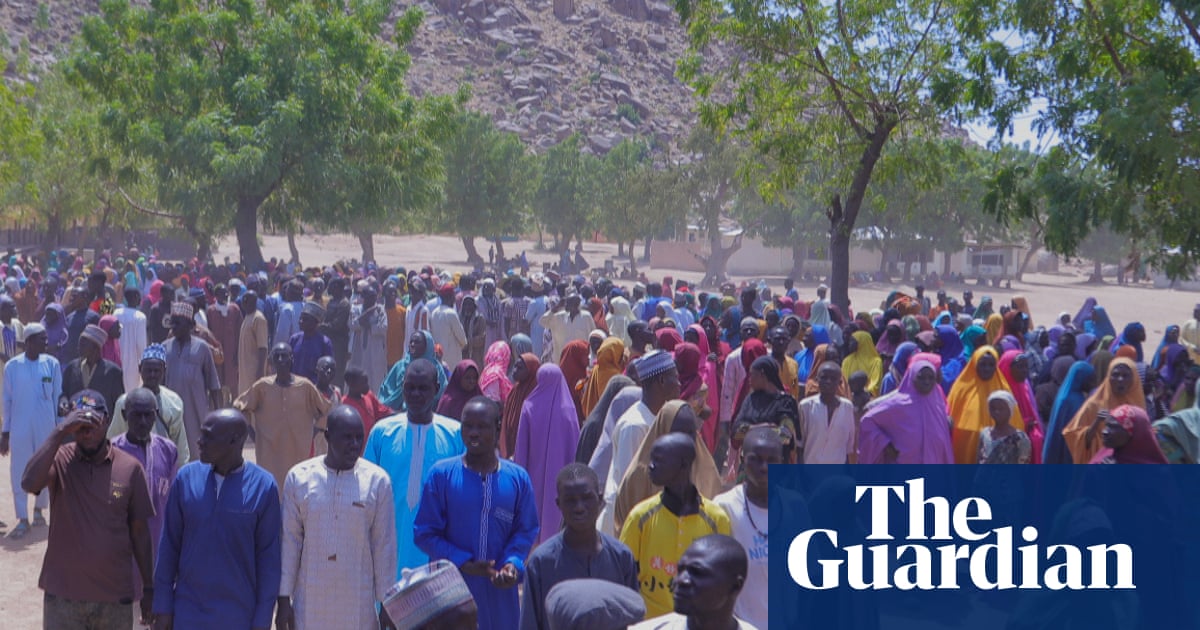
At least 65 Nigerian soldiers have been killed in jihadist raids across the country’s north-east over the past two weeks, highlighting the ongoing struggle of the West African nation to contain one of the world’s deadliest terror groups. The attacks, attributed to the Islamic State West Africa Province (Iswap), have targeted military bases in Borno State, the epicenter of the insurgency.
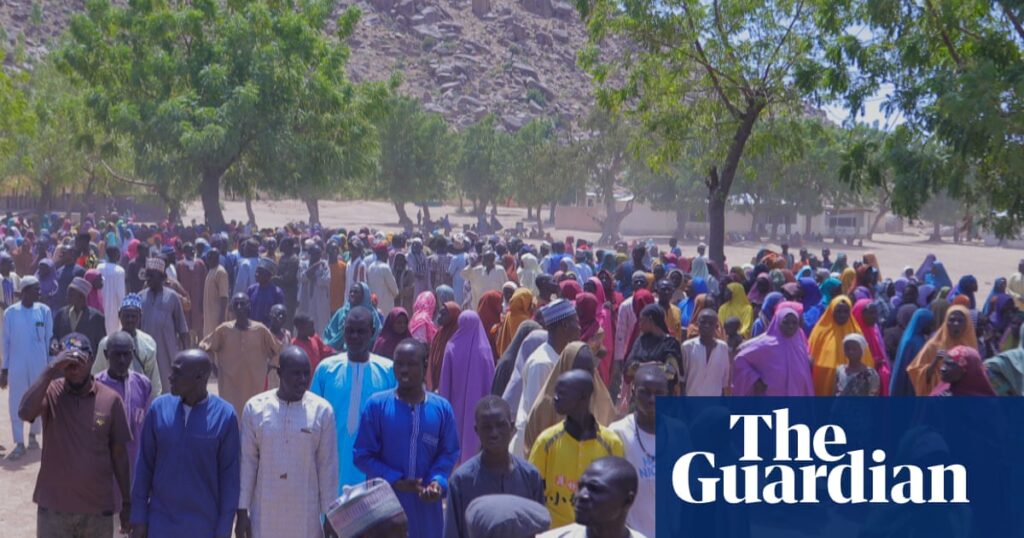
On March 5 and 6, Iswap gunmen overran four military installations, leading to the deaths of approximately 40 soldiers, according to reports by the Nigerian daily, The Punch. In a statement issued on March 7, coinciding with a mass funeral for the fallen troops, the military disputed these figures but did not provide an alternative death toll.
The Nigerian army claimed that its troops successfully repelled multiple coordinated attacks by Iswap terrorists on military locations in Delwa, Goniri, Kukawa, and Mainok on March 8 and 9. However, the situation remains dire as the insurgents continue to employ sophisticated weaponry, including anti-aircraft machine guns and drones, to launch their assaults.
Background of the Insurgency
The recent attacks are part of a broader pattern of coordinated raids by jihadists on military facilities in Nigeria’s north. This region has been plagued by an insurgency that intensified following the extrajudicial killing of Boko Haram leader Mohammed Yusuf in July 2009. The conflict has since spread across the Lake Chad basin, affecting neighboring countries such as Cameroon, Chad, and Niger, and displacing over 2 million people.
Over the years, Boko Haram has splintered into at least three factions, with Iswap emerging as a particularly ruthless group. The faction’s ability to execute complex military operations has posed a significant challenge to Nigerian security forces.
International Involvement and Criticism
In response to the escalating violence, 200 US troops were deployed to northern Nigeria last month to assist in training local forces. This move followed an announcement by former US President Donald Trump regarding airstrikes on terrorist elements in the region. Despite these efforts, the Nigerian government continues to face criticism for its handling of the crisis.
President Bola Tinubu and other officials have been scrutinized for their perceived lack of focus on the insurgency. Recently, the junior defense minister, Bello Matawalle, faced backlash for prioritizing a mass wedding involving his children over addressing the security situation. Additionally, Matawalle’s social media activity has drawn ire, particularly a post applauding the defection of the Zamfara governor to the ruling party amid ongoing Iswap attacks.
Implications and Future Outlook
The ongoing insurgency in Nigeria’s north-east presents a complex challenge with far-reaching implications. The region’s instability not only affects local communities but also has the potential to destabilize neighboring countries. The Nigerian government, along with international partners, must navigate this intricate landscape to restore peace and security.
Experts suggest that a multifaceted approach, including military intervention, socioeconomic development, and regional cooperation, is essential to address the root causes of the insurgency. As the Nigerian military continues to confront Iswap and other factions, the need for a comprehensive strategy becomes increasingly apparent.
Looking ahead, the Nigerian government’s response to the insurgency will be closely watched by both domestic and international observers. The stakes are high, and the path to peace remains fraught with challenges.