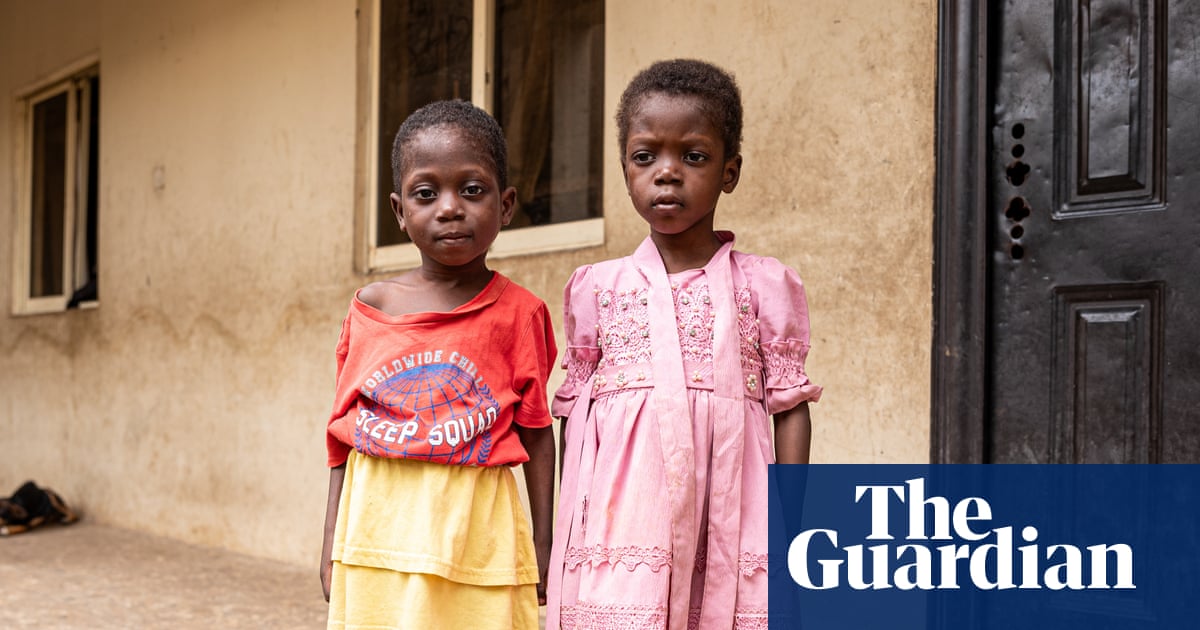
Esther Stevens’ life nearly ended as soon as it began. Born in 2007 in a village on the outskirts of Abuja, Nigeria’s capital, her mother died during childbirth. In the eyes of some villagers, this tragedy marked Esther as cursed. According to local tradition, the newborn was to be buried with her mother. However, a Nigerian missionary intervened, pleading for the child’s life. After much persuasion, the traditional priest allowed the missionary to take Esther, who was then brought to a children’s home in Abuja run by Olusola and Chinwe Stevens.
Now 18, Esther is a vibrant young woman with a broad smile and a quick wit. Her story is one of many that highlight the ongoing struggle against infanticide in Nigeria. Despite children being regarded as divine gifts, certain traditional beliefs view some as omens of misfortune. These beliefs, though fading, persist in isolated areas, where children born under certain circumstances are still at risk.
Historical Context and Cultural Beliefs
In Nigeria, children with albinism, visible deformities, or disabilities have historically been considered cursed. Among the Igbo in southern Nigeria, twins and triplets were once feared. While these beliefs have diminished over time, remnants remain in some communities, where the death of a mother during childbirth is blamed on the child.
The Stevenses, who run the Vine Heritage Home Foundation, have been confronting these practices since 1996. Sent by the Christian Missionary Foundation to Abuja, they discovered that some children were still being killed. In 2004, they established their foundation as a refuge for vulnerable children, now home to over 200 children.
The Struggle Against Infanticide
When Nigeria moved its capital to Abuja in 1976, the location was intended as a neutral site, distant from ethnic tensions. However, just 40 miles away, communities remain isolated, with poor infrastructure and healthcare. According to Olusola, 75% of the children at Vine Heritage are there because their mothers died in childbirth. The UN reported in 2023 that Nigeria is the most dangerous country for childbirth, with one in 100 women dying during or shortly after delivery.
The Stevenses began visiting communities, urging families to surrender “cursed” children to them instead of killing them. They collaborated with local missionaries to spread the word. Missionary Andrew Tonak, who has lived in Kaida village since 2000, recalls rescuing 20 children from infanticide. The Stevenses’ efforts have gradually gained recognition, with some communities now bringing newborns directly to them.
Community Engagement and Challenges
Vine Heritage Home has grown significantly, moving to a larger facility in Gwagwalada with support from the EU and ActionAid. The home provides round-the-clock care with 18 dedicated staff. Despite these efforts, reintegration of children into their communities remains challenging. Language barriers and cultural differences often hinder communication and acceptance.
In Kaida village, community members are reluctant to discuss infanticide, fearing stigma and cultural taboos. Human rights activist Leo Igwe notes the role of patriarchy in these practices. A 2019 ActionAid survey found that 16% of male respondents in 57 villages around Abuja supported infanticide. Government officials often deny the practice, complicating enforcement of laws against it.
Efforts to Change Mindsets
ActionAid has worked with communities to change attitudes, setting up committees to focus on development before addressing infanticide. Their approach has led to some progress, with government investment in health centers and a reduction in killings in certain areas. However, resistance from elders and funding shortages have limited the impact.
The Stevenses continue to collaborate with missionaries and local leaders. In some cases, like Godiya’s, Muslim clerics have intervened to save children. The couple’s vision is to raise these children as agents of change, though reintegration is often fraught with difficulties.
The Future of Vine Heritage Home
As Vine Heritage Home grows, the Stevenses face financial challenges. Inflation has reduced donations, and the home lacks a formal organizational structure. ActionAid supports the home but emphasizes the need for better financial management. Despite these hurdles, the Stevenses remain committed to their mission.
Olusola reflects on their journey, acknowledging the unexpected growth of their home. “When God asks you to do something, you only obey,” he says. The couple’s dedication has saved countless lives, but the path forward requires continued support and adaptation to changing circumstances.