




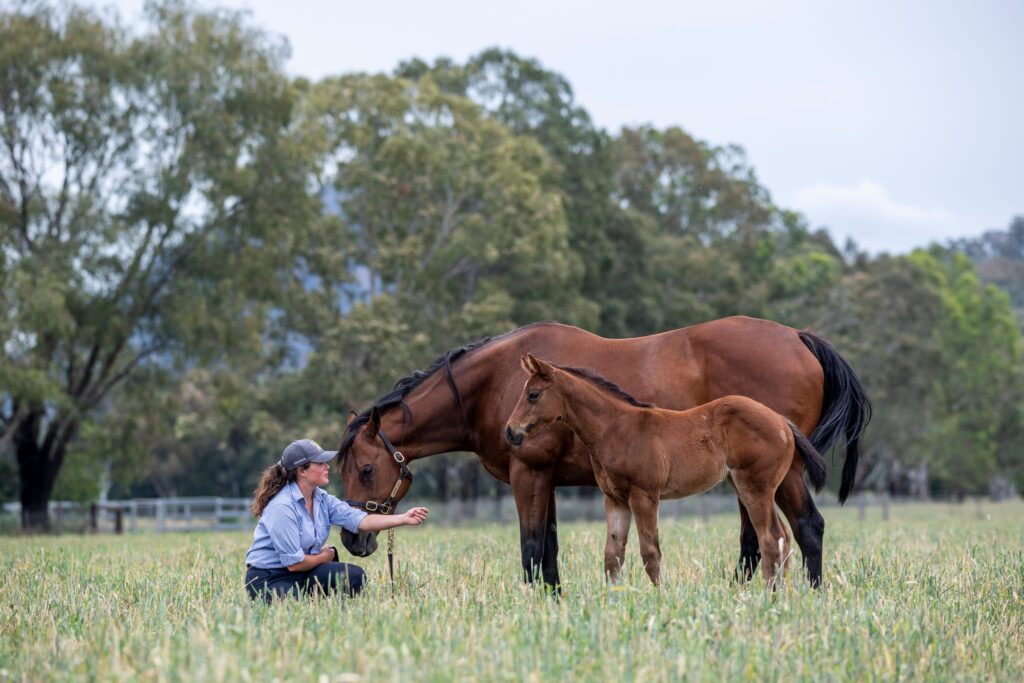
In a groundbreaking study that could revolutionize equine breeding practices, researchers are exploring the effects of niacin supplementation on the fertility of older mares. Led by Professor Christopher Grupen from the University of Sydney, the project is supported by AgriFutures Australia and involves a collaborative effort with the University of Newcastle and Charles Sturt University.
The study aims to address the persistent challenge of fertility in mares, particularly as they age. An empty mare at the 14-day scan is a disappointment for breeders, especially as the breeding season draws to a close. The research team is investigating whether niacin, specifically its end product nicotinamide adenine dinucleotide (NAD), can improve egg quality and conception rates in older mares.
Understanding the Role of NAD in Fertility
NAD is a critical regulator of cellular processes, including energy production, immune response, and DNA repair. According to Professor Grupen,
“There’s mounting evidence in other species, including humans and mice, that the levels of this important factor NAD decline as we advance in age.”
This decline is linked to reduced fertility, and studies in mice have shown that boosting NAD levels can improve egg quality.
Recognizing the parallels between human and equine biology, the research team hypothesized that increasing NAD levels in mares could enhance their reproductive success. The initial trials involved supplementing the diet of Standardbred mares aged 15 or older with nicotinic acid, a form of niacin that is readily absorbed by cells.
Trial Results and Methodology
The research team conducted a controlled trial, dividing the mares into three groups: a control group with no supplementation, a group receiving 1.5g of nicotinic acid per day, and another receiving 3g per day. Blood and follicular fluid samples were collected to assess the absorption and conversion of niacin into NAD.
The results were promising.
“We were quite amazed by the metabolite changes, especially in the follicular fluid,” said Grupen.
These findings confirmed that nicotinic acid could reach its target and be converted into NAD, mirroring results from laboratory research on pigs.
Field Trials and Future Implications
Building on these promising results, the research team has initiated field trials in the Hunter Valley, engaging multiple studs to assess the effect of increased NAD production on conception rates. Mares aged 15 years or older are receiving the supplementation as an oral paste for four to eight days leading up to ovulation.
Professor Grupen explained,
“We’ve partnered with a number of studs in the Hunter Valley and tried to recruit as many mares as possible, because if it’s only a small beneficial effect, we need large numbers of animals to be able to detect that.”
The goal is to determine whether a targeted supplement can improve conception rates and reduce the number of cycles needed to achieve pregnancy.
Potential Impact on the Equine Industry
If successful, this research could lead to the development of a marketable supplement for breeding operations. The benefits would be significant, improving animal welfare and reducing costs and time for breeders.
“If you can get the mare to conceive on her first or second mating, then it’s much less stress on her,” said Grupen.
Niacin is known for its safety and is quickly cleared from the body if in excess, making it an attractive option for breeders. Professor Grupen emphasized the importance of conducting rigorous studies to validate the benefits of specific supplements, overcoming the confusion often associated with unverified claims.
Looking ahead, Grupen is optimistic about the potential of niacin supplementation.
“I’ve been doing research in this space for 30 years and this is probably one of the most exciting advancements I’ve seen,” he said.
While the focus is currently on older mares, there could be broader applications for mares with poor reproductive histories due to various reasons.
As the study progresses, the equine industry eagerly awaits the results, which could pave the way for new standards in mare fertility management. With the potential to enhance reproductive success and improve the overall welfare of mares, niacin supplementation could become a vital tool in the breeder’s arsenal.