


Sixty biosecurity officers have mobilized in Auckland’s Mount Roskill area, setting traps and testing fresh produce after the detection of a Queensland fruit fly. This invasive pest poses a significant threat to New Zealand’s $9 billion horticulture export industry, echoing the challenges faced by Australia, where the pest incurs an estimated $300 million in annual damages.
The discovery of a single male fruit fly on January 7 prompted immediate action from the Ministry of Primary Industries (MPI). Since then, officers have meticulously sliced through 55kg of fruit, searching for further evidence of the pest’s presence. Biosecurity New Zealand’s Commissioner, North, Mike Inglis, emphasized the urgency of the situation, stating that two containment zones have been established to prevent the fly’s spread.
Containment Measures and Public Cooperation
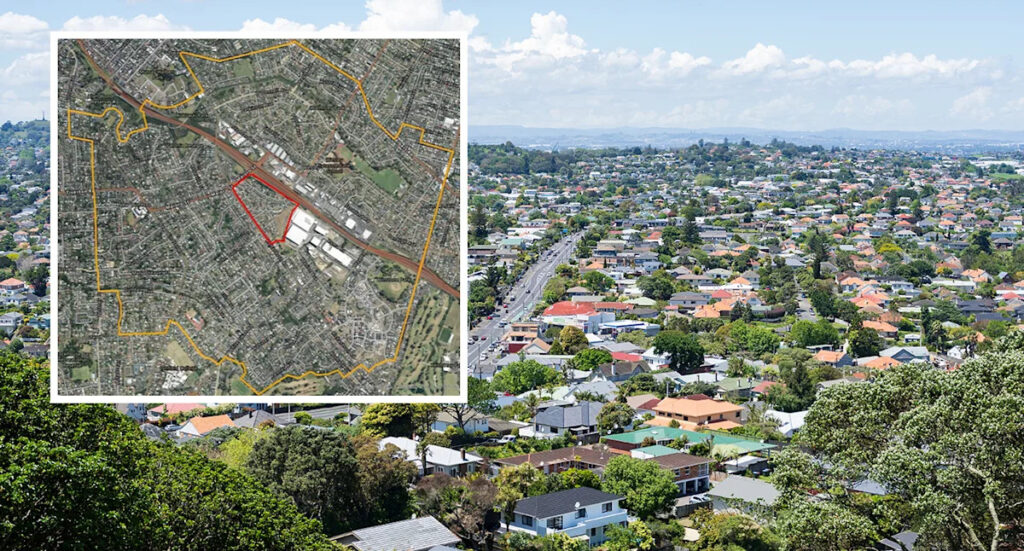
Inglis explained that the first zone, designated as Zone A, covers a 200-meter radius around the discovery site. Households within this area have been provided with specialized biosecurity bins for disposing of fruit and vegetables. Zone B extends to a 1,500-meter radius, where similar bins are available in public locations, and an additional 350 traps have been deployed.
“The traps are very effective for Queensland fruit fly in terms of attracting a male,” Inglis noted. “And if there are any more, we’ve not found them, and we’ve been checking the traps daily.”
For the next four weeks, strict restrictions will prevent fruit and vegetables from leaving Zone A. Inglis described these measures as a “belt-and-braces approach,” highlighting New Zealand’s history of successfully eradicating various fruit fly species in the past.
Comparisons with Australian Biosecurity Efforts
New Zealand’s swift response mirrors similar biosecurity measures in Australia. In Perth, authorities have restricted the transfer of horticultural material to combat the polyphagous shot-hole borer, a pest responsible for the destruction of thousands of trees. Such proactive strategies underscore the importance of biosecurity in protecting vital agricultural industries.
Inglis expressed confidence in the public’s understanding of biosecurity’s critical role, stating,
“We’re seriously trained, and we’re very blessed in New Zealand — the vast majority of our public understand biosecurity and how critical it is to the country.”
Tracing the Source and Future Implications
While strong winds often carry insects from Australia across the Tasman Sea, Inglis suspects the fruit fly may have arrived via a shipment or parcel. He is currently reviewing passenger traffic and fresh produce consignments from Australia and New Caledonia to trace the pest’s origin.
“It could be one piece of fruit that had the larvae come through,” he said, emphasizing the need for vigilance in monitoring imports.
As New Zealand intensifies its biosecurity efforts, the situation highlights the ongoing challenges faced by countries in safeguarding their agricultural sectors from invasive species. The successful containment and eradication of the Queensland fruit fly will serve as a critical test of New Zealand’s biosecurity infrastructure.
Looking ahead, the collaboration between government agencies, industry stakeholders, and the public will be essential in maintaining the integrity of New Zealand’s horticultural exports and preventing future biosecurity threats.