



A man has tragically lost his life, thousands of properties are without power, and flights have been cancelled as severe weather conditions wreak havoc across large parts of New Zealand. The Met Service issued a red warning yesterday, highlighting a low-pressure system that has brought heavy rain and strong winds to parts of the North Island. Wairarapa, in particular, has been severely impacted, experiencing 256.4mm of rainfall and wind gusts reaching 240km/h overnight.
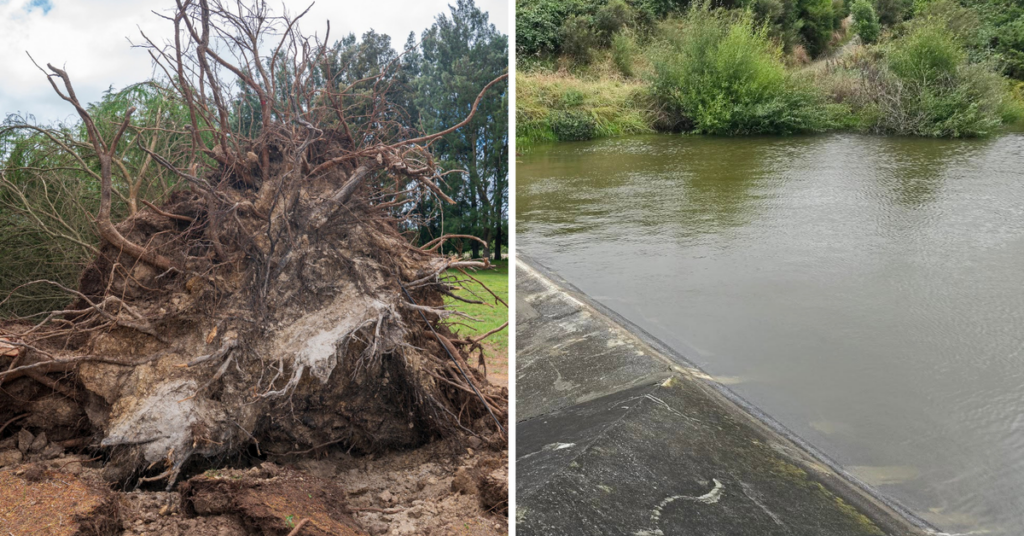
Although conditions have slightly eased, the storm system continues to move towards the southern, central, and eastern parts of the country. Images from the affected areas depict several roads submerged, rivers overflowing, and trees and power lines downed.
Impact on Infrastructure and Communities
Powerco has reported that at least 18,025 of its customers are currently without power, while Wellington Electricity has stated that 6,500 of its customers are affected. The water supply has also been compromised, with residents in Pirinoa advised to boil all drinking water due to floodwaters inundating the local water treatment plant. Residents in Taihape, Mangaweka, Hunterville, and Rātana have been urged to conserve water.
A state of emergency has been declared in several districts, leading to school closures and significant disruptions in air travel. Many flights have been cancelled, aborted, or delayed. Kate McEvoy, a passenger on one of the last flights attempting to land at Wellington Airport, recounted her experience with her three-month-old son. The pilot ultimately decided to abort the landing and return to Christchurch.
“We were watching as all of the departures were getting cancelled, but ours was still going, and we’re like ‘oh my god, why aren’t they cancelling it?'” McEvoy told Stuff.
Tragic Loss and Government Response
The severe weather has claimed the life of Brent Knowles, a father and avid fisherman, who was found dead inside a submerged car on State Highway 39 in Puketotara. His daughter, Tanya Knowles, expressed her heartbreak on social media.
“My beautiful dad. You were my world, I loved you so much. Life will never be the same. Broken,” she wrote.
Prime Minister Christopher Luxon has extended his support to those affected, emphasizing that the country is still facing significant challenges. “To those facing damage, everything possible is being done to help you get back on your feet,” he stated. “Some regions are still facing the worst of it too. Please take warnings seriously and don’t take any chances.”
Historical Context and Expert Opinions
This storm is reminiscent of past weather events that have tested New Zealand’s resilience. Experts point out that climate change may be contributing to the increased frequency and intensity of such storms. Dr. Jane Smith, a climate scientist, notes that while storms are not unusual for New Zealand, the patterns are shifting.
“We are seeing more extreme weather events, and this is consistent with what we expect in a warming world,” Dr. Smith explained. “Communities need to be prepared for these changes.”
Meanwhile, local authorities and emergency services are working tirelessly to restore power and ensure the safety of residents. The focus remains on recovery and assessing the full extent of the damage.
Looking Ahead
As the storm system continues its path, New Zealanders are urged to remain vigilant and heed official warnings. The government and local agencies are coordinating efforts to provide relief and support to the affected regions. The coming days will be crucial in determining the long-term impact of this severe weather event.
For continuous updates and safety information, residents are encouraged to stay connected through official channels and follow guidelines provided by emergency services.