
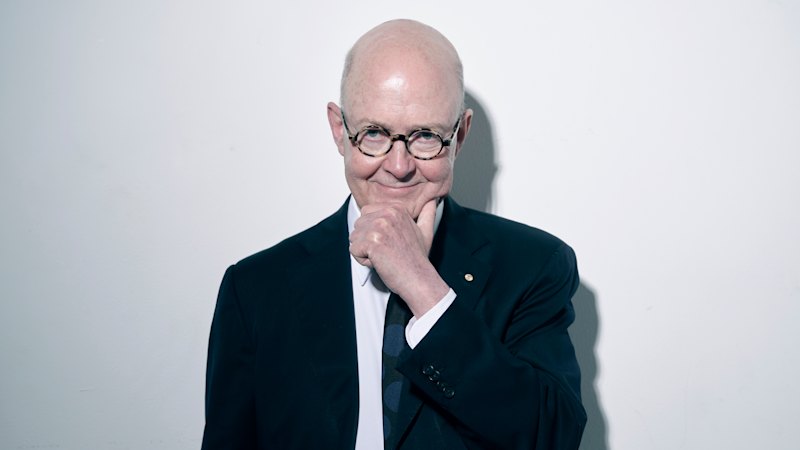




Kai Zhao, PhD giving Smell Test to mock patient Kelli Trinoskey at the Eye and Ear Institute
COLUMBUS, Ohio – In a groundbreaking study, researchers at The Ohio State University College of Medicine have provided the first objective measurements of multisensory losses among long COVID patients. This pivotal research highlights how age, the initial severity of COVID-19, and cognitive functions influence the extent of sensory dysfunctions.
The study, published in BMC Medicine, involved 60 participants aged 27 to 78, all of whom contracted COVID-19 between January 2020 and December 2023 and experienced persistent symptoms for up to 50 months. Despite most participants having mild cases, the study revealed significant sensory impairments.
Understanding Sensory Dysfunction in Long COVID
Dr. Kai Zhao, a professor in the Department of Otolaryngology – Head and Neck Surgery, emphasized the study’s goal: “Our aim is to understand why some long COVID patients experience different profiles of sensory losses while others do not. We believe this knowledge will help us improve the care for long COVID patients.”
The research team conducted standardized assessments on patients who self-reported issues with smell, taste, balance/dizziness, hearing, and cognitive functions. The findings were striking, with 67.3% of participants reporting smell issues, 63.6% taste issues, 56.6% balance and dizziness, 31.8% hearing problems, and 51.3% experiencing brain fog.
The objective assessments confirmed: 65.5% smell dysfunction, 16% taste impairment, 31.6% balance and dizziness issues, 53.4% hearing loss, and 19.1% cognitive dysfunction.
Key Associations and Implications
Dr. Zhao noted strong associations between balance/dizziness and hearing impairments, likely due to the shared inner ear structure of the auditory and vestibular systems. Additionally, connections were observed among brain fog, balance, and hearing impairments, suggesting central nervous system involvement.
“Strong associations were also found between patients with smell and taste issues, particularly in tasks requiring cognitive involvement, such as recognizing a flavor or odor,” Zhao explained.
The study underscores the broad and varied impact of COVID-19 on sensory systems, driven by factors like patient age and initial disease severity. Among the eight hospitalized patients, all experienced confirmed smell dysfunction, seven had balance issues, six suffered hearing loss, and four faced cognitive challenges.
Broader Context and Future Directions
The findings come at a time when the global impact of COVID-19 remains profound. According to the World Health Organization, the pandemic has resulted in 775 million cases and over 7 million deaths worldwide. While most patients experience symptoms akin to the common cold or flu, a significant number report neurological symptoms, including sensory loss, post-infection.
Future research will follow long COVID patients longitudinally to assess how symptoms evolve over time, both objectively and subjectively. This ongoing research aims to improve prognosis predictions and patient care strategies.
The study’s authors include a diverse team of experts: Ahmad Odeh, Veronica L. Formanek, Christina Smith, Nidhi Jha, Junichi Tajino, PhD, Jessica H. Lewis, Lauren Gastineau, Shivani Patel, Songzhu Zhao, Lai Wei, Daniel M. Merfeld, PhD, and Christopher T. Simons, PhD.
As the scientific community continues to unravel the complexities of long COVID, this research represents a significant step forward in understanding and addressing the sensory and cognitive challenges faced by patients.