


Using advanced machine learning and climate models, researchers have discovered that the ancestors of crops such as wheat, barley, and rye were likely far less widespread in the Middle East 12,000 years ago than previously believed. This revelation challenges long-held assumptions about the geography of early plant domestication and agriculture.
In a groundbreaking study published in the journal Open Quaternary, researchers from the University of Copenhagen and the University of the Basque Country have reconstructed the probable ancient geographic ranges of 65 wild plant species closely associated with early farming in West Asia. These include the wild ancestors of wheat, barley, rye, lentils, and other crops that ignited the agricultural revolution over 10,000 years ago.
Challenging Traditional Views on Plant Domestication
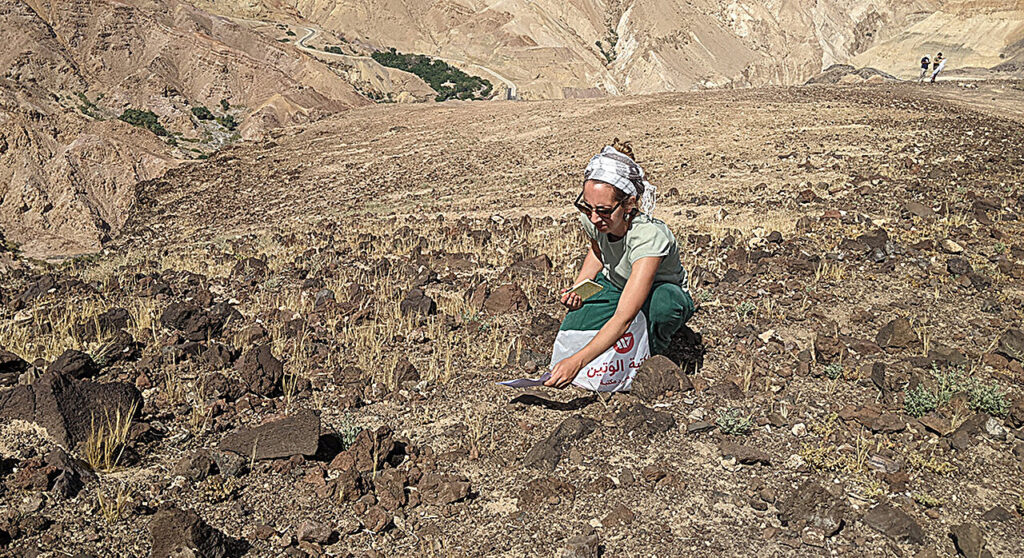
“The first farming societies were established in the Middle East about 12,000 years ago. We know this from the artifacts, seeds, and animal bones that archaeologists have recovered from excavations. But we know little about the natural background vegetation in these areas, which means that we also don’t know exactly where the Neolithic peoples found the plants that they eventually domesticated,” explains archaeologist and lead author Joe Roe from the University of Copenhagen.
Roe and his co-author, archaeobotanist Amaia Arranz-Otaegui, were surprised to find that many early crop ancestors appear to have been concentrated along the Mediterranean coast of the Levant. This suggests that the area may have acted as a “refugium” during the extreme climate conditions of the late Ice Age.
“Based on our new data, it looks like the ancestors of some of the plants most important to modern agriculture—wheat, rye, and barley—did not grow where we expected and also that they were much less widespread than we thought,” said Joe Roe.
Implications for Understanding Early Agriculture
The findings suggest that many wild crops were well adapted to cold and dry conditions and did not necessarily expand with the arrival of the warmer, wetter climate in which the first farming communities established themselves. This insight provides the clearest picture yet of where the world’s earliest agricultural plants once grew and the kind of landscapes ancient communities inhabited during their transition from foraging to farming.
Arranz-Otaegui noted, “This suggests that many wild crops were well adapted to quite cold and dry conditions and did not necessarily expand with the arrival of the warmer and wetter climate in which the first farming communities established themselves.”
A Methodological Breakthrough in Ecological Modeling
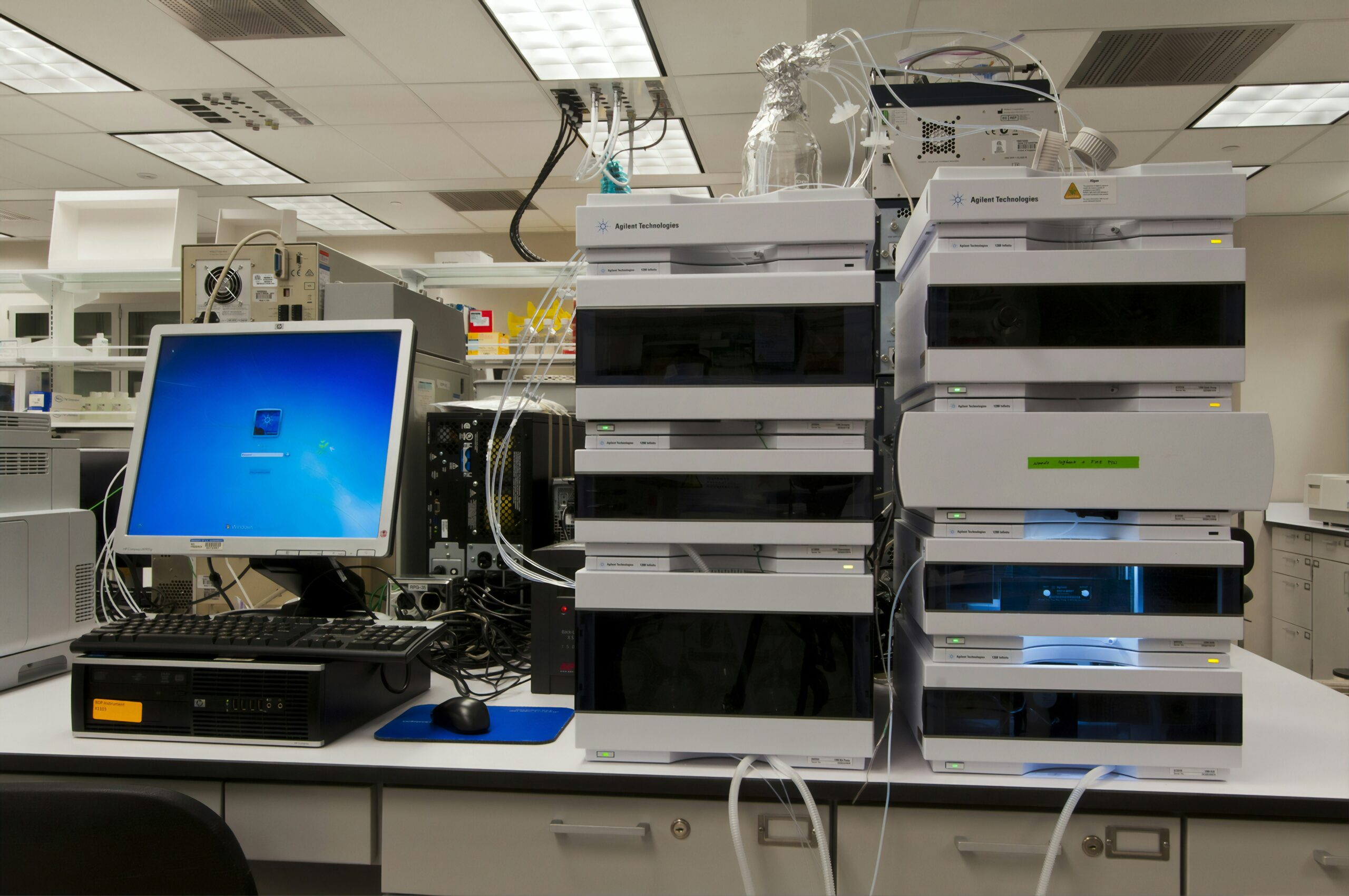
The study also marks an important advancement in how researchers model past ecosystems. By combining large, open datasets on current plant species distributions with advanced computer simulations of past global climates, the researchers created detailed maps showing where ancient plants were likely to have grown.
“Essentially, we used the same climate simulations that IPPC uses to predict our future climate, just turned backwards, and combined them with a machine learning model of what kinds of environment these plants are adapted to,” explains Arranz-Otaegui.
This modeling approach represents a new line of evidence for understanding the ecological context of early agriculture. Unlike traditional archaeological methods, which can be distorted by burial, human activity, and recovery biases, this method offers an independent and complementary picture of ancient plant environments.
“This gives us a whole new window onto the ecological backdrop of the world’s first farmers,” the two authors conclude.
Looking Ahead: The Future of Agricultural Research
The implications of this study extend beyond historical curiosity, offering insights into how modern agriculture might adapt to changing climates. As researchers continue to refine these models, they may uncover further nuances about the resilience and adaptability of ancient crops, potentially informing contemporary agricultural practices.
As the world faces unprecedented climate challenges, understanding the historical adaptability of crops could prove invaluable. This research not only reshapes our understanding of the past but also provides a foundation for future agricultural innovation.
With these findings, scientists are better equipped to explore the origins of agriculture and its evolution, paving the way for new discoveries about the resilience of crops in the face of climate change.