




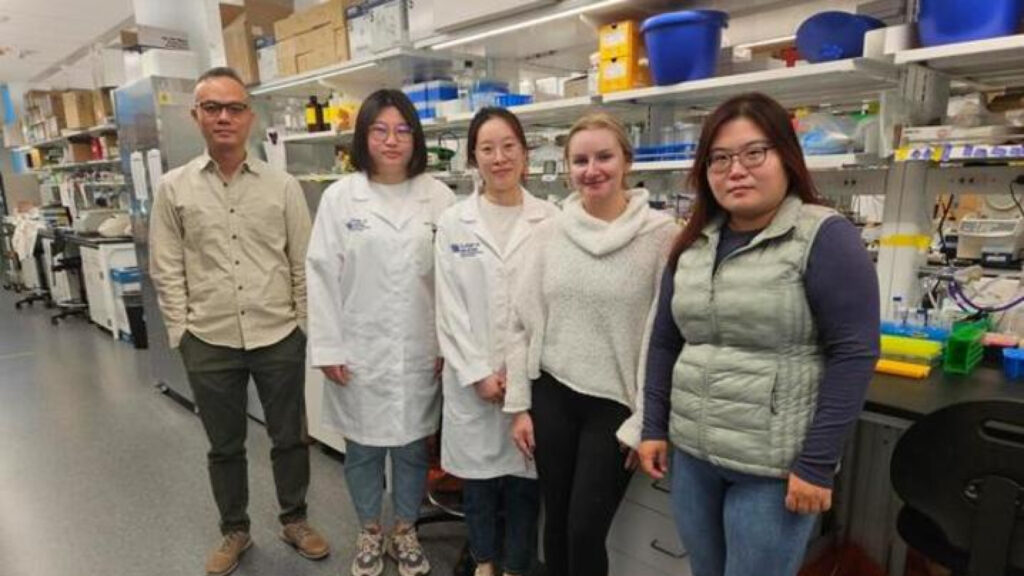
A groundbreaking study from the University of Kentucky Markey Cancer Center has uncovered a novel biological pathway that allows prostate cancer cells to adapt their metabolism and thrive in bone tissue. This discovery, led by Ka Wing Fong, Ph.D., and published in Molecular Cancer Research, provides a promising new target for treating patients with advanced prostate cancer.
The research identifies a critical pathway involving the protein TRIM28 and the metabolic enzyme LDHA, which aids cancer cells in converting glucose into energy through glycolysis. This adaptation is crucial for the growth of prostate cancer cells in bone, a common site for metastases in advanced cases. Approximately 90% of men who succumb to metastatic prostate cancer experience bone metastases, where current treatments often offer limited relief.
Understanding the TRIM28-LDHA Pathway
The study reveals that TRIM28 activates LDHA, facilitating the energy production needed for cancer cell survival in bone tissue. By disrupting this pathway, researchers observed a significant reduction in tumor growth in laboratory models. “By targeting how these tumors generate energy, researchers may be able to develop more targeted therapies that work alongside existing treatments to control disease in bone more effectively,” said Fong, an assistant professor in the UK College of Medicine’s Department of Toxicology and Cancer Biology.
Using tissue samples from patients with advanced prostate cancer, the team detected pS473-TRIM28, a transcription activator in bone metastases. Subsequent experiments in mouse models demonstrated that blocking the TRIM28-LDHA pathway led to reduced lactate production, decreased glucose consumption, and slower tumor growth.
Potential for New Therapeutic Approaches
The implications of these findings are significant. An experimental drug that inhibits LDHA activity showed promise in reducing tumor growth in preclinical models. Moreover, analysis of patient data revealed that individuals with elevated levels of both TRIM28 and LDHA had poorer outcomes compared to those with lower levels, highlighting the potential for targeted therapies.
This study builds on Fong’s previous research into TRIM28’s role in prostate cancer. Earlier this year, his team published findings in the Journal of Clinical Investigation showing that RSK1 activates TRIM28, which collaborates with another protein, E2F1, to promote cancer cell growth and resistance to hormone therapy.
Broader Context and Future Directions
The announcement comes as the medical community continues to seek more effective treatments for metastatic prostate cancer, particularly those that can address bone metastases. Current therapies often focus on pain management rather than halting disease progression. The five-year survival rate for patients with bone metastases remains a dismal 33%, underscoring the urgent need for innovative approaches.
According to sources, the research reported in this publication was supported by the National Cancer Institute of the National Institutes of Health under Award Number R03CA256230, and the National Institute of General Medical Sciences of the National Institutes of Health under Award Number P20GM121327. The content is solely the responsibility of the authors and does not necessarily represent the official views of the National Institutes of Health.
Looking ahead, further clinical trials will be necessary to evaluate the safety and efficacy of targeting the TRIM28-LDHA pathway in human patients. If successful, this approach could complement existing treatments, offering new hope for those battling advanced prostate cancer.
Meanwhile, researchers continue to explore the broader implications of metabolic adaptations in cancer cells, which could pave the way for novel therapeutic strategies across various cancer types. As the scientific community delves deeper into these pathways, the potential for breakthroughs in cancer treatment remains promising.