




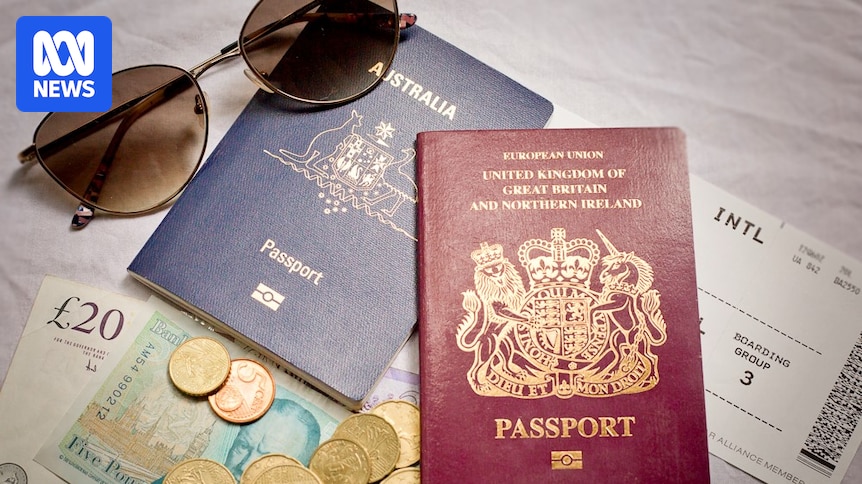
From February 25, dual citizens of the United Kingdom and Ireland will face new passport regulations, with each country implementing changes separately. This development has sparked concern among Australians holding dual citizenship, especially those planning to travel to the UK or Ireland in the coming months. The new rules could complicate travel plans and require careful preparation to avoid disruptions.
Under the new regulations, British-Irish dual citizens will no longer be able to enter the UK using a passport from another country, such as an Australian passport. Instead, they must use a valid British or Irish passport or possess another valid passport containing a Certificate of Entitlement (COE). This requirement presents dual citizens with a choice: pay for a British passport, obtain a COE, or renounce their British citizenship.
Understanding the Certificate of Entitlement
A Certificate of Entitlement is a document placed in a foreign passport, confirming the holder’s right to live and work in the UK without immigration restrictions. However, it is an expensive option, costing £589 ($1,180) when applied for outside the UK or Ireland. Additionally, the COE must be renewed every time the passport is renewed.
“If you do not have a British passport or a COE, you will not be able to board a plane or ship to the UK on or after February 25.”
Commercial airlines could face fines if they allow passengers with incorrect documents to enter the country. This underscores the importance of ensuring all travel documents are in order before departure.
Electronic Travel Authorisation: A New Requirement
From February 25, most travelers to the UK from visa-exempt countries, including Australia and the US, will need an Electronic Travel Authorisation (ETA) for tourism or short stays. This digital permit, costing approximately $32, applies to all travelers, including babies and children. An approved ETA is valid for two years or until the holder’s passport expires, allowing multiple entries into the UK during that period.
According to the UK’s Home Office, the quickest way to apply for an ETA is through the UK ETA app, available on the Apple App Store and Google Play. Notably, British passport holders, those with permission to live, work, or study in the UK, or those with a COE do not require an ETA. Travelers transitioning through a UK airport without passing through border control are also exempt.
Checking Your Citizenship Status
Dannielle Ireland-Piper, an associate professor and citizenship expert at the Australian National University, highlights the complexity of dual citizenship. She explains that international law is neutral regarding citizenship grants, leading to unpredictable outcomes when determining citizenship status.
“The effect is it is unpredictable to work out when you are a citizen and you aren’t because there are not internationally agreed upon rules.” – Dannielle Ireland-Piper
Each nation determines its citizens, creating complications in a globally connected world where individuals often have ties to multiple countries through ancestry, marriage, or residency. Dr. Ireland-Piper advises passengers to follow official channels, such as UK government websites, to avoid scams.
Determining Dual Citizenship with the UK
The UK allows dual citizenship, meaning individuals can apply for foreign citizenship while retaining British citizenship. British citizenship is typically passed down one generation to children born outside the UK if one parent is a citizen at the time of birth. Consequently, some individuals might be British citizens without holding a UK passport or even realizing their citizenship status.
Determining Dual Citizenship with Ireland
For those with ties to Ireland, citizenship rules vary depending on birthdate and parental citizenship status. If you or your parent were born on the island of Ireland before 2005, you are an Irish citizen. However, for births on or after January 1, 2005, citizenship depends on the parent’s citizenship at the time of birth and their residency history.
Next Steps for Dual Citizens
For dual citizens with expired UK passports, renewing the passport or obtaining a COE is essential before traveling. Renouncing citizenship is an option for those who prefer not to maintain a UK passport or pay for a COE. However, this decision could impact the citizenship status of future children.
As the new regulations take effect, it is crucial for dual citizens to assess their travel documents and citizenship status carefully. By understanding the requirements and taking appropriate action, travelers can ensure a smooth journey to the UK or Ireland without unexpected complications.