




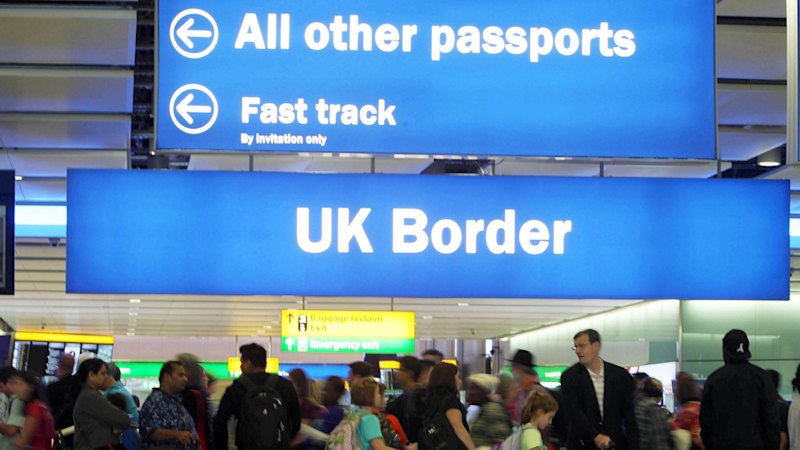
Dual Australian-British citizens are facing unexpected travel hurdles as new passport regulations come into effect on February 25, 2026. The changes require those with British or Irish citizenship by descent to possess a foreign passport or a Certificate of Entitlement, costing over $1000, instead of the affordable £16 ($30.50) Electronic Travel Authorization (ETA).
This policy shift is significant for thousands of Australians of British parentage who do not hold UK passports. The rule impacts anyone technically considered a British or Irish citizen, even if they have not actively claimed such nationality.
Impact on Travel Plans
The rule change has already disrupted travel plans for many Australians. According to the British High Commission, “British citizens, including those holding dual nationality, are not eligible for an ETA, even if their other nationality, such as Australian, would normally require one.” This is because British citizens inherently have the right of abode in the UK.
Dual citizens may alternatively obtain a Certificate of Entitlement from the British government for a one-time fee of £589 ($1135). This certificate can be used alongside a non-UK passport to enter the country.
Real-Life Implications
The new regulations have sparked confusion and panic among travelers. Lynton Jones of The Savvy Traveller in Sydney shared the story of a customer born in 1943 to a UK father who immigrated to Australia as a toddler. Despite never having a UK passport, the customer is now technically classified as British by the UK government.
“If it was queried, he could be denied entry under the new rules upon arrival, even with his approved ETA in place,” Jones explained.
Such cases highlight the complexity and potential financial burden of the new requirements. The Australian Travel Industry Association reported instances where families had to cancel and rebook their UK holidays due to passport issues, incurring “considerable financial and emotional expense.”
Broader Implications and Reactions
Over 1.1 million individuals born in the UK were residing in Australia in 2023, making it the largest migrant community in the country, according to Australian Bureau of Statistics figures. The UK government has cautioned that those born in the UK or with UK-born parents might automatically be British citizens. The rule change also affects Irish-Australian dual citizens due to the Common Travel Area arrangements between the UK and Ireland.
Anthony Goldman of the Goldman Group, a travel agency specializing in corporate and luxury travel, noted, “I think there is some confusion. Not everyone is going to register the change.”
Historical Context and Future Outlook
While ETAs have been in use since October 2023, the new rule enforces stricter compliance by British customs as of February 25. Airlines will be required to verify an ETA before allowing travel for short visits, including tourism, business, and transit.
Flight Centre Corporate data indicates that bookings in January 2026 are up compared to the previous year, despite the confusion surrounding the rule change.
The British government defends the introduction of ETAs as aligning with international border security practices, aimed at preventing entry by individuals who pose a threat to the UK.
Next Steps for Affected Travelers
For those impacted by the new regulations, the immediate need is to assess their citizenship status and passport requirements. Travel agencies and government bodies are advising dual citizens to verify their eligibility and prepare the necessary documentation well in advance of travel plans.
As the deadline looms, travelers are urged to stay informed and seek professional advice to navigate the complexities of the new passport rules. The situation underscores the importance of understanding dual citizenship implications and the evolving landscape of international travel regulations.