


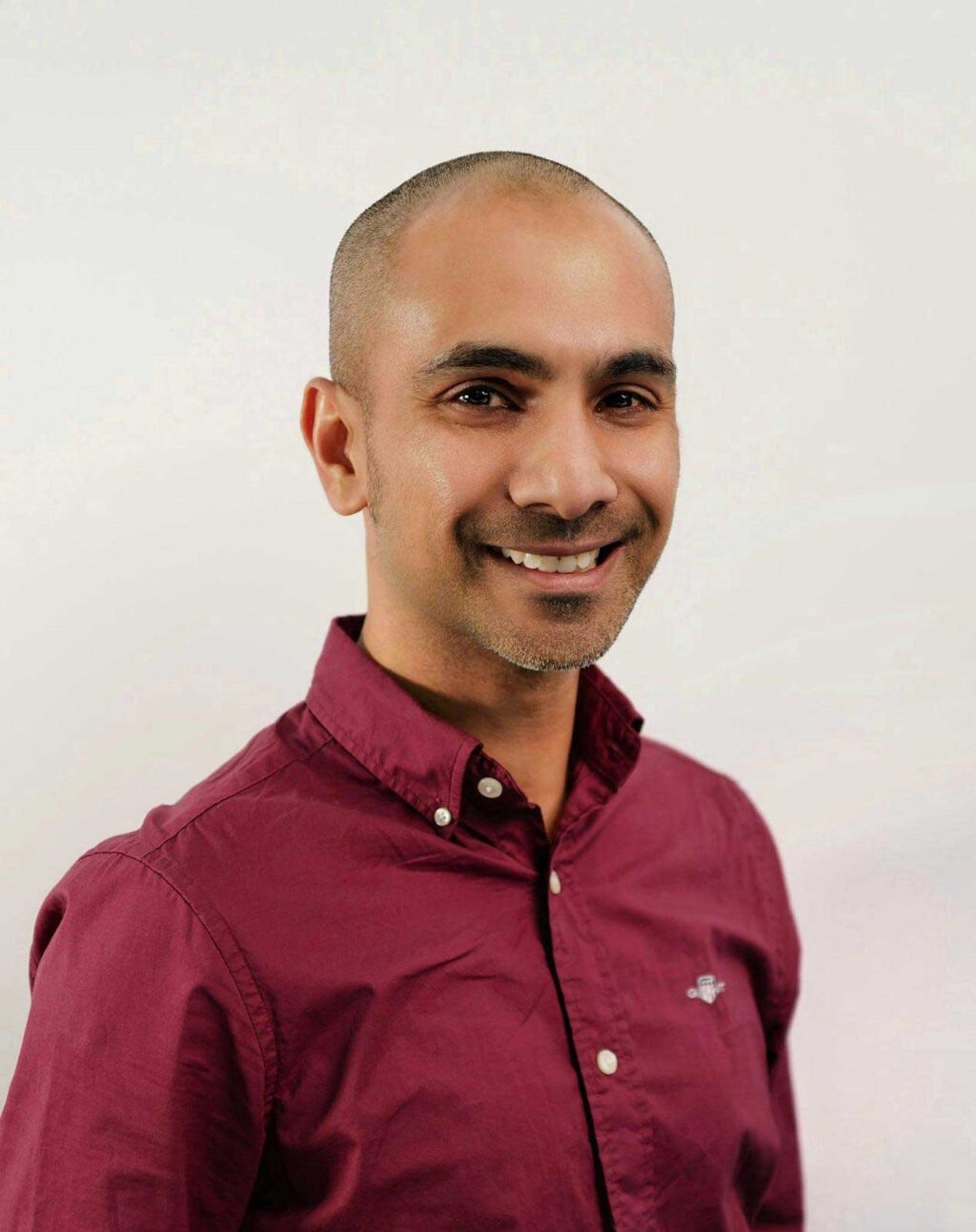
In a significant development for brain cancer research, the launch of a new Brain Tumour Centre of Excellence in Nottingham has garnered widespread support from patients and medical professionals alike. Among those rallying behind this initiative is Shane Cromer, a 35-year-old fitness influencer from Nottingham, who is currently battling a rare and aggressive brain tumour.
Cromer, who was diagnosed last year after experiencing months of fatigue, headaches, and double vision, expressed his optimism about the new center. “Before my diagnosis, life was busy in a good way. I was newly married, raising my 20-month-old son, and working in an industry built around health and fitness, so being told I had a brain tumour came as a complete shock,” he shared. “Since then, I’ve had radiotherapy and I’m now being assessed for a clinical trial, but the reality is that treatment options for brain tumours like mine are limited. That’s why the opening of this new research centre in Nottingham means so much. Knowing there are scientists working here to better understand brain tumours and to develop more personalised treatments gives me hope, not just for myself, but for other families who may face this devastating diagnosis in the future.”
Challenges in Treating Glioblastoma
The complex, diverse, and aggressive nature of glioblastoma tumours makes them notoriously difficult to treat. Treatment options have remained largely unchanged for decades, often leaving patients with few choices once the disease returns. Even after surgery and treatment with radiation and chemotherapy, cancer cells can persist in the brain, leading to tumour regrowth.
Scientists at the new Nottingham Centre are particularly focused on studying cancer cells at the infiltrative margin—the very edge of the tumour—which are believed to drive recurrence. By strengthening understanding of this tumour area and refining predictive models, the Centre aims to improve the likelihood that new treatments will succeed in clinical trials and ultimately benefit patients sooner.
Innovative Approaches and Research Goals
Professor Ruman Rahman, Principal Investigator at the Nottingham Centre of Excellence from the School of Medicine at the University, highlighted the Centre’s innovative approach. “Glioblastoma is a hugely aggressive cancer that devastates lives. We need to change the story for patients. Through this Centre, and working closely with the NHS, we will combine advanced brain imaging that goes beyond routine scans with detailed genomic analysis to pinpoint the earliest biological signs that glioblastoma is returning. Our goal is to identify personalised drug treatments to improve survival and quality of life,” he stated.
Brain tumours are indiscriminate; they can affect anyone at any age and kill more children and adults under the age of 40 than any other cancer. Yet just 1% of the national spend on cancer research has been allocated to brain tumours since records began in 2002.
Community and Institutional Support
The launch event was marked by a strong sense of community and institutional support. Dan Knowles, Chief Executive of Brain Tumour Research, emphasized the importance of collective efforts: “Seeing patients, families, researchers, and supporters come together for the launch of the Nottingham Centre of Excellence is incredibly powerful. This Centre represents exactly what our supporters’ fundraising makes possible, world-class research with a clear focus on improving outcomes for patients.”
Professor Jane Norman, President and Vice-Chancellor of the University of Nottingham, expressed her enthusiasm for the Centre’s potential impact. “I am honoured to meet with the staff, patients, supporters, and researchers at the launch of this groundbreaking new Brain Tumour Centre of Excellence. This significant investment from Brain Tumour Research will enable Nottingham scientists to continue with their work to find effective treatments and to improve survival rates for patients suffering from this indiscriminate disease. Being able to tour the labs and see the extraordinary work taking place has been fantastic and I look forward to seeing the world-changing research still to come from them,” she said.
Future Prospects and Advocacy
Brain Tumour Research funds sustainable research at dedicated centres in the UK. It also campaigns for the Government and larger cancer charities to invest more in research into brain tumours in order to speed up new treatments for patients and, ultimately, to find a cure. The charity is the driving force behind the call for a national annual spend of £35 million to improve survival rates and patient outcomes in line with other cancers such as breast cancer and leukaemia.
The opening of the Nottingham Centre of Excellence represents a significant step forward in the fight against brain cancer. With continued support from the community and advancements in research, there is hope that new, more effective treatments will soon become available, offering renewed hope to patients like Shane Cromer and countless others.