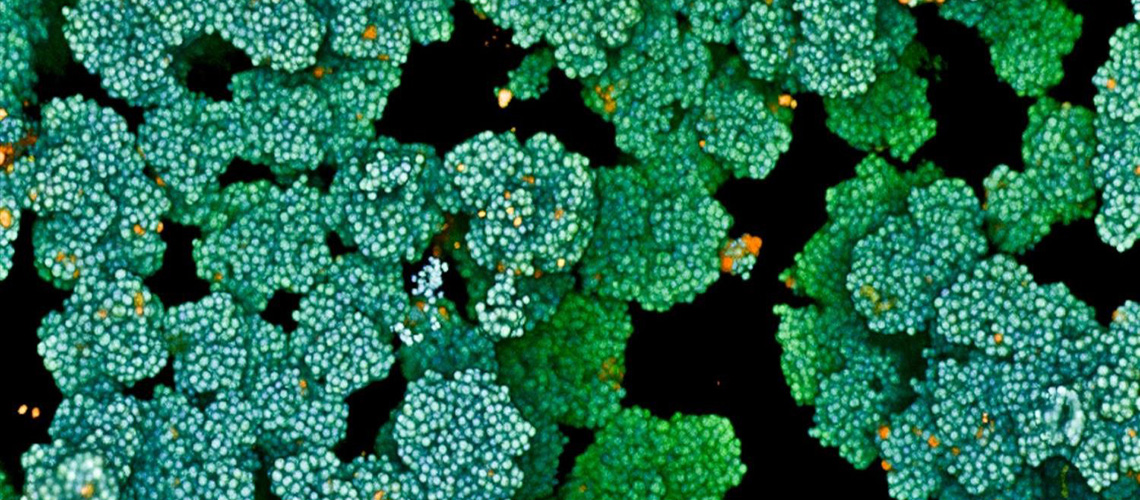





In a groundbreaking study, infectious disease researchers have identified Pteropine orthoreoviruses (PRVs), a newly emergent group of bat-borne viruses, as the cause of a mysterious illness affecting five patients in Bangladesh. One of these patients tragically succumbed to the illness. This marks the first documented detection of bat-origin orthoreovirus in human cases of acute respiratory illness and encephalitis in Bangladesh. The findings, published in the journal Emerging Infectious Diseases, underscore the potential public health threat posed by these viruses.
All five patients had recently consumed raw date-palm sap, a popular treat in Bangladesh that is also enjoyed by bats during the winter months. This sap is a known vector for Nipah virus infections in the region. Bats are natural reservoirs for numerous zoonotic viruses, including rabies, Nipah, Hendra, Marburg, and SARS.
Expanding the Scope of Zoonotic Spillover
According to Dr. Nischay Mishra, associate professor of epidemiology at Columbia University Mailman School of Public Health and senior author of the study, the findings highlight the risks associated with raw date palm sap consumption beyond the well-documented Nipah virus. Mishra emphasized the importance of broad-spectrum surveillance programs to identify and mitigate public health risks from emerging bat-borne viruses.
The patients, hospitalized between 2022 and 2023, initially presented with symptoms similar to Nipah virus infections, including fever, vomiting, headache, fatigue, increased salivation, and respiratory and neurological complications. However, they tested negative for Nipah virus. Researchers employed high-throughput agnostic viral sequencing using the VirCapSeq-VERT system to investigate further.
Advanced Detection Techniques
The VirCapSeq-VERT technology, developed at Columbia University’s Center for Infection and Immunity, allows for rapid and efficient screening of all viral infections of vertebrate origin. It matches the sensitivity of gold-standard PCR assays while enabling simultaneous testing for thousands of viruses, providing near-complete genome sequences. The study confirmed the presence of the infectious virus by culturing it, revealing severe disease in all five patients.
“A new addition of zoonotic spillover causes respiratory and neurological complications following consumption of raw date palm sap next to Nipah virus infection,” said Dr. Tahmina Shirin, Director of the Institute of Epidemiology, Disease Control, and Research (IEDCR) in Bangladesh.
Tracing the Virus to Its Source
In a more recent study supported by the U.S. Department of Agriculture, Mishra and his team identified genetically similar Pteropine orthoreoviruses in bats captured near the Padma River Basin, close to where the human cases occurred. This research provides critical evidence linking bat reservoirs to human infection.
Ariful Islam, a bat-borne disease ecologist and epidemiologist at Charles Sturt University in Australia, and co-first author of the study, noted, “We are now working to understand the spillover mechanisms from bats to humans and domestic animals, as well as the broader ecology of emerging bat-borne viruses in communities along the Padma River Basin.”
Implications for Public Health
The discovery of PRVs in human cases in Bangladesh represents a significant public health concern. It suggests that less severe cases may be underrecognized, and highlights the need for enhanced surveillance and research into bat-borne viruses.
Previously, Mishra and colleagues have used VirCapSeq-VERT to identify viral threats in various contexts, including transplant patients and neurological conditions. The technology has received regulatory approval for clinical use, further underscoring its potential in addressing emerging infectious diseases.
Collaborative Efforts and Future Directions
The study’s co-first author, Sharmin Sultana, assistant professor of Virology at IEDCR, collaborated with a team of international researchers, including experts from the Centers for Disease Control and Prevention (CDC) and the U.S. Department of Agriculture. The research was funded by agreements between the United States Department of Agriculture and Columbia University.
As researchers continue to explore the ecology and transmission mechanisms of PRVs, the study serves as a reminder of the interconnectedness of human and animal health. The findings underscore the importance of global collaboration in tackling zoonotic diseases and preventing future outbreaks.
The authors of the study have declared no conflicts of interest, ensuring the integrity and transparency of their research.