

Netflix could be fined nearly $1 billion if it fails to comply with local content obligations under Australia’s proposed streaming quotas bill. This legislation is expected to be introduced in Canberra next week, following extensive debate and negotiation over the past few years.
The amendment to the Broadcasting Services Act seeks to ensure a minimum spend by streaming platforms on Australian content, excluding sports, reality, and news programming. The new rules will apply to all subscription video on demand (SVOD) services with over 1 million subscribers.
Implications for Major Streaming Platforms
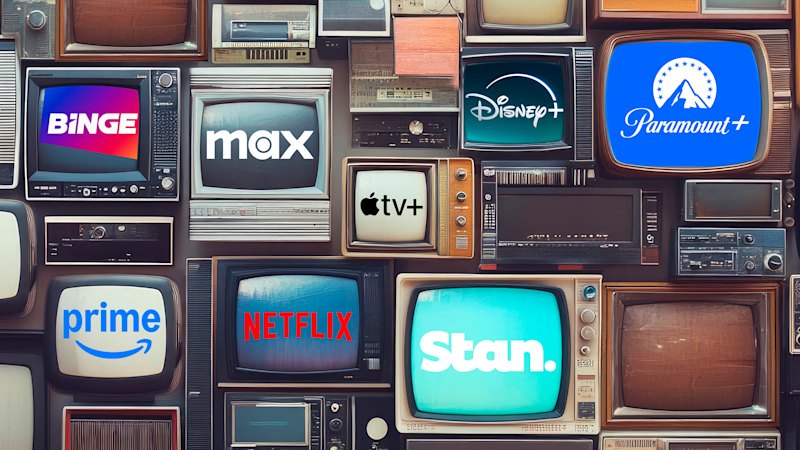
Currently, there is no requirement for streaming services to produce any Australian content. However, the proposed legislation would impact major players like Netflix, Amazon Prime Video, Disney+, Paramount+, Stan, and Binge. Apple TV is nearing the threshold, and HBO, which recently launched, is expected to reach it within a few years.
Paramount is the only company to publicly comment, stating it is “engaging in the parliamentary process to ensure the local content requirement is fair, equitable, and guarantees a sustainable and viable screen industry for all players.” However, other streamers have expressed concerns privately about potential unintended negative consequences, particularly regarding production costs.
Options for Compliance
Streaming services will have two options for meeting their investment obligations: dedicating 10% of their total programming expenditure to new Australian content or allocating 7.5% of their Australian revenues. Netflix, with over 6 million paid subscribers and 14 million viewers in Australia, reported an expenditure of $1.25 billion in FY2024 and Australian revenue of $1.3 billion.
Netflix’s obligation under the revenue model would amount to $97.5 million.
The expenditure model is more complex to calculate, as it includes costs beyond content. Once a streamer selects a model, they must adhere to it for three years, allowing them to roll over spending obligations within that period. Failure to meet these targets could result in a penalty ten times the expenditure obligation, potentially leading to a $975 million fine for Netflix.
The Legislative Journey and Industry Reactions
The bill’s explanatory memorandum emphasizes the need for substantial penalties to deter multinational companies from underspending. “The penalty imposed by this provision must be high enough to deter the large, often multinational companies that will be captured by the requirement,” it states.
Quotas for streamers have been under consideration since 2017. The closest previous attempt was a voluntary 5% levy proposed by the Coalition in 2021. After Labor’s rise to power in 2022, then-Arts Minister Tony Burke promised streaming quotas by July 1, 2024. However, negotiations stalled over the appropriate levy level, with the Greens and production sector advocating for 20% and potential legal challenges from Hollywood studios over the Australia-US Free Trade Agreement.
The deadlock was broken earlier this month after Prime Minister Anthony Albanese’s visit to Washington, with the government signaling its intention to introduce legislation. The Greens are unlikely to block it, and Screen Producers Australia has endorsed the bill, despite it falling short of their desired 20% figure.
Looking Ahead: Industry Concerns and Government Projections
The government argues that regulation is necessary to ensure streamers commit to producing Australian content, providing stability to the production sector and consistency in broadcasting obligations. Currently, pay TV and free-to-air broadcasters have Australian content requirements, unlike SVOD providers.
Streamers have voiced concerns about the legislation, including the limited time to respond to the final model. Despite varied objections reflecting different business models, all agree that quotas could inflate production costs. Nevertheless, the government projects no sudden surge in spending or local content hours commissioned by the streamers.
As the bill heads to Parliament, the industry braces for the potential impacts of this landmark legislation. The outcome will not only shape the future of streaming in Australia but could also set a precedent for other countries grappling with similar content regulation challenges.