




Netflix has officially withdrawn from the competitive race to acquire Warner Bros Discovery, clearing the path for Paramount to potentially take control of the Hollywood powerhouse. The decision comes after Skydance-owned Paramount increased its rival bid to a compelling US$31 per share, alongside other strategic revisions. On Thursday, Warner’s board declared that this offer “constitutes a ‘company superior proposal.’”
Netflix was allotted four business days to counter Paramount’s enhanced offer but opted out swiftly. In a statement released on Thursday evening, Netflix co-chief executives Ted Sarandos and Greg Peters explained, “At the price required to match Paramount Skydance’s latest offer, the deal is no longer financially attractive.” They added, “We believe we would have been strong stewards of Warner Bros’ iconic brands, and that our deal would have strengthened the entertainment industry and preserved and created more production jobs in the US. But this transaction was always a ‘nice to have’ at the right price, not a ‘must have’ at any price.”
Paramount’s Strategic Move
David Ellison, the chief executive of Paramount, expressed satisfaction earlier on Thursday, stating that the company was “pleased WBD’s board has unanimously affirmed the superior value of our offer, which delivers to WBD shareholders superior value, certainty and speed to closing.” Unlike Netflix’s bid, Paramount is interested in acquiring all of Warner’s operations, including major networks like CNN and Discovery. This acquisition would place CNN under the same corporate umbrella as Paramount’s CBS, effectively merging two of Hollywood’s last five major studios.
The announcement comes amidst a backdrop of significant industry shifts, as media companies consolidate to better compete in the digital streaming era. Paramount’s comprehensive bid reflects a strategic effort to enhance its content library and distribution capabilities, potentially reshaping the entertainment landscape.
Industry Reactions and Implications
The news of Netflix’s withdrawal and Paramount’s strengthened position has sparked varied reactions across the industry. Analysts suggest that Paramount’s acquisition could lead to a more integrated media landscape, with potential synergies in content production and distribution. However, questions remain about how this consolidation will impact competition and innovation within the industry.
According to media analyst Rebecca Greenfield, “Paramount’s acquisition of Warner Bros Discovery could redefine industry standards, but it also raises concerns about reduced diversity in content offerings. The consolidation trend might limit the variety of voices and perspectives in media.”
“The entertainment industry is in a state of flux, with traditional boundaries between media companies blurring. This move by Paramount could set a precedent for future mergers and acquisitions,” said Greenfield.
Political and Economic Context
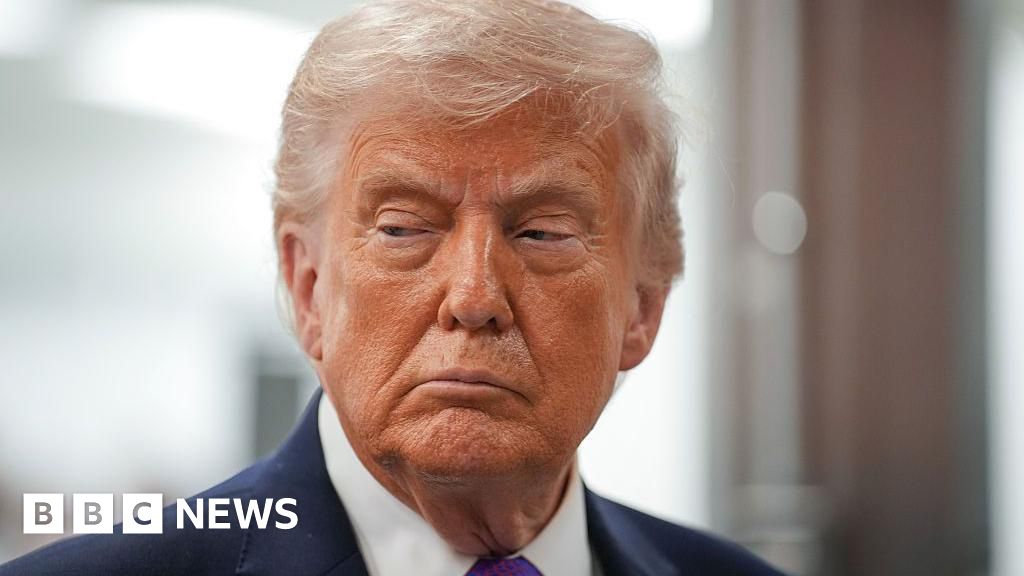
The development follows a series of meetings that Netflix co-CEO Ted Sarandos held at the White House, though not directly with President Trump. U.S. officials have reportedly favored Paramount’s bid, citing the Ellison family’s amicable relationship with the President as a potential influence. This political backdrop adds another layer of complexity to the unfolding corporate drama.
Historically, media mergers of this scale have faced scrutiny from regulatory bodies concerned with maintaining competitive markets. The Federal Communications Commission (FCC) and the Department of Justice (DOJ) are expected to closely examine the implications of Paramount’s potential acquisition of Warner Bros Discovery.
Looking Ahead
As Paramount moves forward with its offer, the entertainment industry watches closely. The potential merger could accelerate trends towards consolidation, prompting other media giants to reassess their strategies in an increasingly competitive market. Meanwhile, Netflix’s decision to step back may signal a strategic pivot, focusing on organic growth and original content production rather than large-scale acquisitions.
The coming weeks will be crucial as stakeholders await further developments, including regulatory reviews and shareholder reactions. The outcome of this high-stakes acquisition battle could have lasting impacts on the media landscape, influencing everything from content creation to distribution models.