
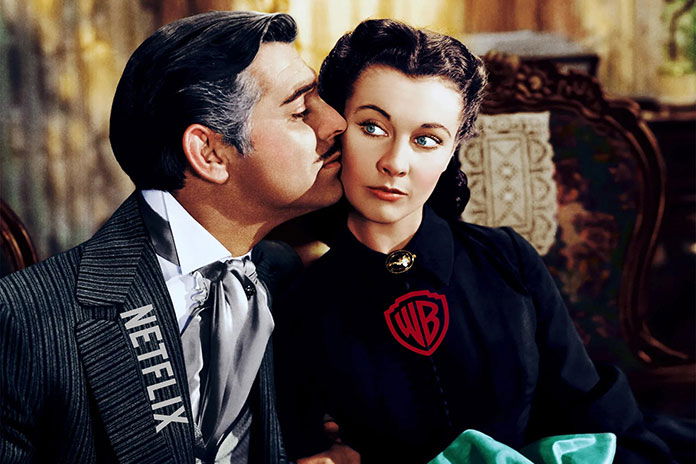
In a rapidly unfolding series of events, Netflix has publicly reinforced its dedication to maintaining Warner Bros.’ traditional theatrical release strategy. This declaration follows the morning’s revelation of a hostile takeover attempt by David Ellison’s Paramount Skydance on Warner Bros. Discovery. Speaking at the UBS Global Media and Communications Conference, Netflix co-CEOs Ted Sarandos and Greg Peters addressed concerns surrounding their acquisition of Warner Bros. and HBO Max, emphasizing their intent to “create and protect jobs in the entertainment industry.”
One of the primary anxieties within the film community is the potential shortening of the theatrical exhibition window for Warner Bros. titles. However, Sarandos assured that Netflix has no intention of altering Warner’s established film release practices. “We didn’t buy this company to destroy that value. We’re deeply committed to releasing [Warner Bros.] movies exactly the way they release those movies today,” he stated, according to Variety.
Commitment to Theatrical Releases
Sarandos highlighted that if the acquisition had occurred two years prior, successful Warner Bros. films such as “Minecraft,” “Superman,” “Weapons,” and “Sinners” would have been released in theaters just as they were. He stressed the importance of Warner Bros.’ operational methods in creating and driving value, indicating Netflix’s respect for the studio’s legacy and expertise.
Furthermore, Sarandos confirmed that Warner Bros. Television will continue its current practice of producing and licensing content to third parties, alongside its HBO Max offerings. He praised the work of Channing Dungey and her team, expressing a desire for them to maintain their high standards of production.
Maintaining HBO’s Unique Brand
Addressing concerns about HBO’s future under Netflix’s ownership, Sarandos assured that HBO would remain true to its identity. He remarked, “We’re already a very well-established general entertainment brand, and we want HBO to double down on the things that people have loved for 50 years about HBO.” This statement aims to reassure fans that HBO will not be forced to conform to a broader entertainment model, as was attempted during Discovery’s tenure.
“These are the things that we’re going to keep going,” Sarandos emphasized, underscoring Netflix’s commitment to preserving HBO’s unique brand.
Confidence in Deal Completion
Despite the complexities of the acquisition, Sarandos expressed confidence in the deal’s successful completion. “We have a deal done, and we are incredibly happy with the deal…We’re super confident we’re going to get it across the line and finish,” he stated, reflecting optimism about overcoming any regulatory or competitive hurdles.
This development follows a period of significant consolidation and strategic realignment within the entertainment industry, as companies adapt to changing consumer behaviors and technological advancements. Netflix’s move represents a strategic expansion into traditional media territories, aiming to leverage Warner Bros.’ storied history and production capabilities.
Industry Reactions and Future Implications
The announcement has sparked varied reactions across the industry. Some experts view Netflix’s commitment to theatrical releases as a positive step towards preserving the cinematic experience, which has faced challenges from the rise of streaming services. Others, however, remain cautious, awaiting further details on how Netflix will integrate Warner Bros.’ operations and culture.
Looking forward, the successful integration of Warner Bros. and HBO Max could position Netflix as a formidable player in both streaming and traditional media landscapes. The potential synergies between Netflix’s digital prowess and Warner Bros.’ production expertise could lead to innovative content offerings and distribution strategies.
As the situation unfolds, stakeholders will be closely monitoring how Netflix navigates this complex acquisition, balancing the preservation of Warner Bros.’ legacy with the demands of a rapidly evolving media environment.