


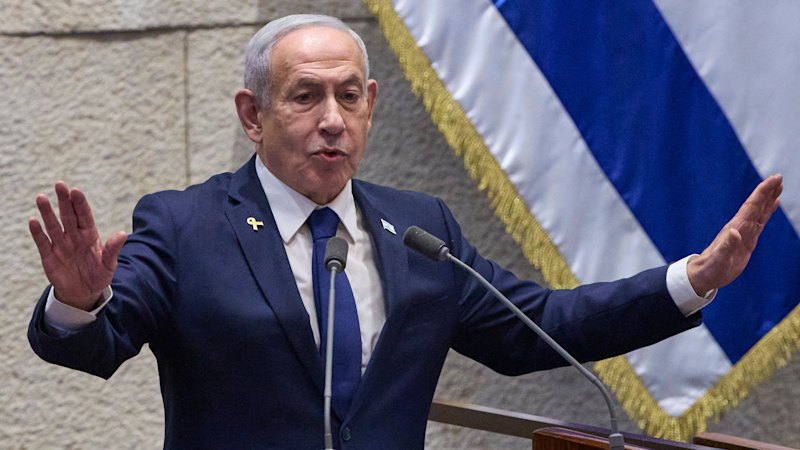
Israeli Prime Minister Benjamin Netanyahu has formally requested a pardon from President Isaac Herzog, aiming to conclude a corruption trial that has deeply polarized the nation. Netanyahu’s appeal, submitted on November 30 to the Office of the President’s legal department, has been described by Herzog’s office as an “extraordinary request” with “significant implications”.
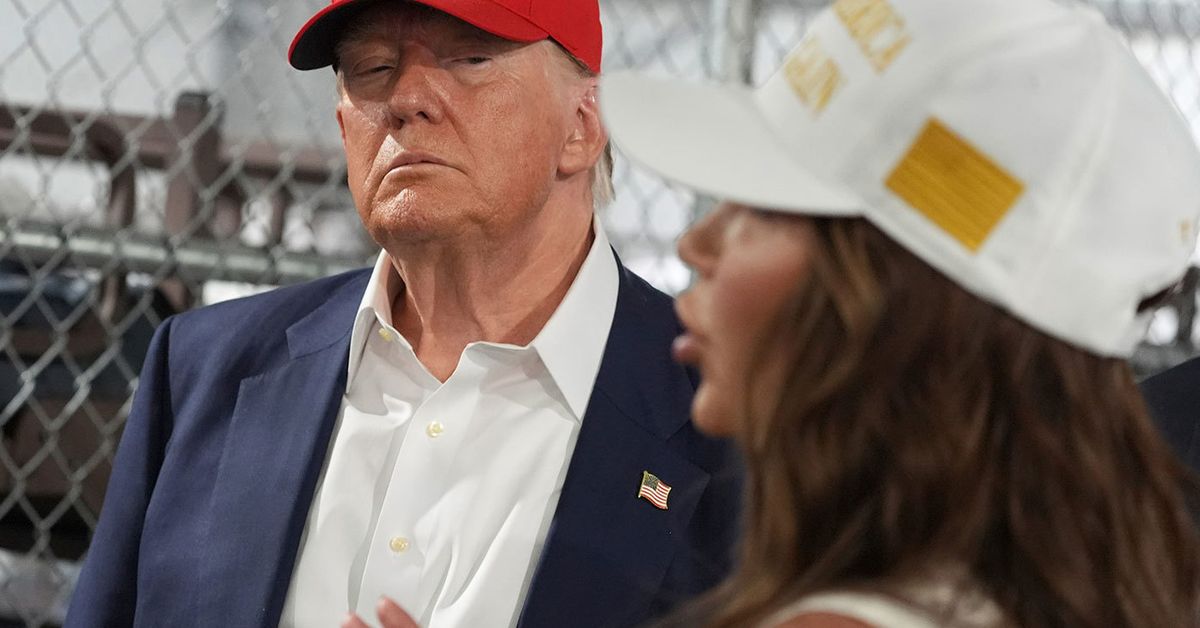
The request follows a high-profile intervention by former U.S. President Donald Trump, who, during an Israeli parliament appearance in October, suggested to Herzog, “Hey, I have an idea, Mr. President, why don’t you give him a pardon? Cigars and champagne, who the hell cares about that?”
Netanyahu, the first sitting Israeli prime minister to stand trial, faces charges of fraud, breach of trust, and bribery across three cases. Despite the charges, he has not been convicted. In a video statement, Netanyahu argued that the trial undermines national unity and that a pardon could open new opportunities with the U.S., although he stopped short of admitting guilt.
Understanding the Charges Against Netanyahu
The charges against Netanyahu are consolidated into a single trial that began in 2020. He denies all allegations, claiming they are part of a political witch-hunt. The most prominent case, Case 4000, involves accusations of bribery related to Bezeq Israeli Telecommunications Corporation Ltd. and its former controlling shareholder, Saul Elovitch.
Investigators allege that Netanyahu and Elovitch engaged in a quid pro quo arrangement, with Elovitch’s media outlets providing favorable coverage in exchange for regulatory benefits. Both Saul and Iris Elovitch face charges of bribery and obstruction of justice. Netanyahu contends that seeking positive media coverage is standard practice and denies any wrongdoing.
The Other Cases: Gifts and Media Influence
Case 1000 involves allegations of fraud and breach of trust, with Netanyahu accused of receiving luxury gifts from Hollywood producer Arnon Milchan and Australian billionaire James Packer. Prosecutors claim these gifts, valued at approximately 690,000 shekels ($319,000), were exchanged for political favors. Netanyahu disputes the claims, asserting his relationship with Milchan was purely personal.
In Case 2000, Netanyahu is accused of promising benefits to Arnon Mozes, owner of Yedioth Ahronoth, in exchange for favorable media coverage. Recordings suggest Netanyahu feigned interest in legislation to curb a rival newspaper, a move prosecutors argue breaches public trust.
The Political Ripple Effect
Netanyahu’s trial has significantly impacted Israeli politics. His 2019 indictment led to political instability, with Israel experiencing five general elections between 2019 and 2022 due to coalition-building challenges. His current coalition, formed with ultra-orthodox and nationalist parties, is Israel’s most right-wing government to date.
Netanyahu’s legal battles have also fueled efforts to weaken the Israeli Supreme Court, perceived by some as a check on populist legislation. Proposed judicial reforms sparked mass protests, with critics arguing they threaten democratic principles.
The Complex Path to a Pardon
While Trump has advocated for a pardon, the process is complicated. In Israel, presidential pardons are typically granted post-conviction. A pre-emptive pardon is rare, with only one precedent involving Shin Bet officials in the 1980s. Netanyahu has consistently rejected resignation and plea deals, maintaining his political ambitions.
Netanyahu’s trial, expected to continue for years, remains unresolved. As of late October, he was still under cross-examination, with further hearings and appeals likely. Should he be convicted, Israeli law mandates the termination of his term, transitioning the government until a new one is formed.
The outcome of Netanyahu’s request and trial will not only shape his political future but also influence Israel’s legal and political landscape. As the nation watches closely, the implications of this high-stakes legal battle continue to unfold.