
Israeli Prime Minister Benjamin Netanyahu has formally requested a pardon from President Isaac Herzog to halt his ongoing corruption trial, a legal battle that has deeply polarized the nation. The request, submitted on November 30, was confirmed by Netanyahu’s office, while Herzog’s office described it as an “extraordinary request” with “significant implications.”
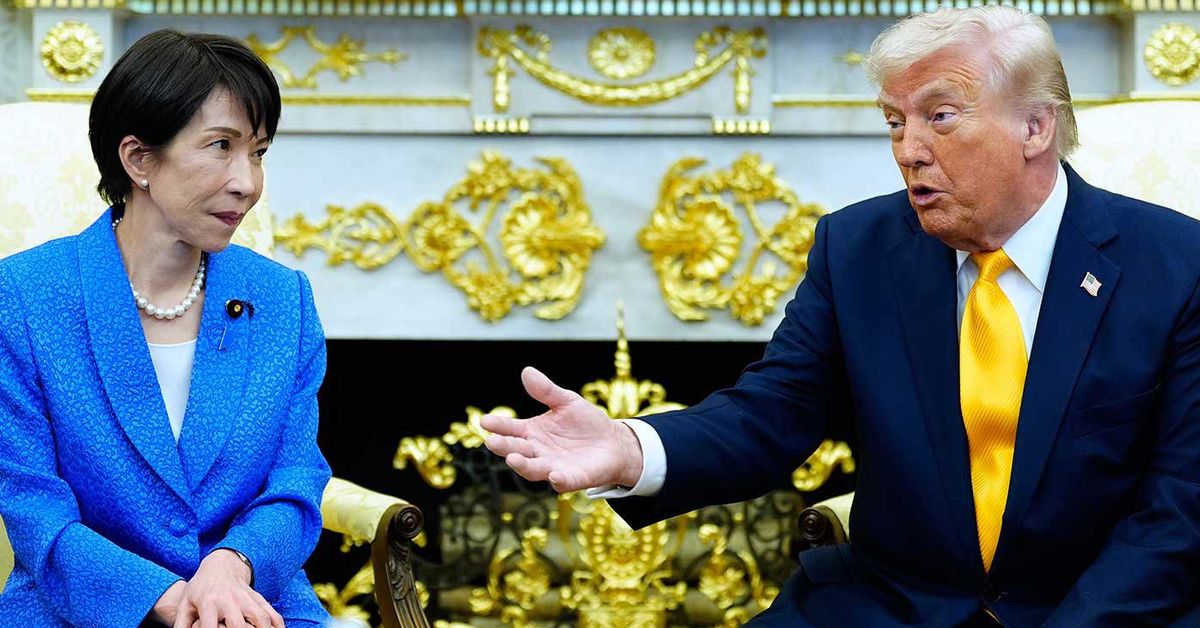
This development follows a public appeal by former U.S. President Donald Trump during an Israeli parliament appearance in October, where he suggested, “Hey, I have an idea, Mr President, why don’t you give him a pardon? Cigars and champagne, who the hell cares about that?” Netanyahu, the first sitting Israeli prime minister to stand trial, faces charges of fraud, breach of trust, and bribery in three separate cases.
Netanyahu’s Legal Battles: A Breakdown
Case 4000: The Bribery Allegation
Known as Case 4000, this is the most prominent of the charges against Netanyahu, involving allegations of a quid pro quo relationship with Saul Elovitch, the former controlling shareholder of Bezeq, Israel’s largest telecommunications company. The prosecution claims Netanyahu provided regulatory benefits to Elovitch in exchange for favorable media coverage on Walla, a news site controlled by Elovitch.
Netanyahu has denied these allegations, arguing that seeking positive media coverage is part of his political duties. Judges have already indicated that the bribery charges may be difficult to prove, urging the prosecution to reconsider, though the charges remain.
Case 1000: Gifts from Wealthy Benefactors
In Case 1000, Netanyahu is accused of fraud and breach of trust for allegedly accepting lavish gifts, including cigars and champagne, from Hollywood producer Arnon Milchan and Australian billionaire James Packer. The gifts, valued at approximately 690,000 shekels ($319,000), were reportedly exchanged for political favors, such as assistance with U.S. visas and tax benefits.
Netanyahu disputes the nature and extent of these gifts, claiming Milchan is a close friend and denying any quid pro quo arrangements. Packer is not implicated in any wrongdoing.
Case 2000: Media Manipulation Allegations
Case 2000 involves accusations that Netanyahu promised benefits to Arnon Mozes, owner of the Yedioth Ahronoth newspaper, in exchange for favorable coverage. Secret recordings allegedly capture Netanyahu discussing legislative support to curb competition against Yedioth Ahronoth, though Netanyahu reportedly had no intention of following through.
The prosecution argues this behavior undermines public trust, while Netanyahu maintains his innocence, asserting the charges are politically motivated.
Impact on Israeli Politics
Netanyahu’s legal troubles have significantly influenced Israeli politics, contributing to a period of instability marked by five general elections between 2019 and 2022. His current coalition, formed with ultra-orthodox and nationalist parties, is considered the most right-wing in Israel’s history.
Efforts to weaken the judiciary, perceived as politically motivated due to Netanyahu’s legal challenges, have sparked mass protests. Critics argue these moves threaten Israel’s democratic foundations, while some security officials suggest internal divisions emboldened Hamas’s recent attacks.
The Path to a Presidential Pardon
Pardons in Israel are typically reserved for those already convicted, making Netanyahu’s request unusual. Precedent exists for pre-emptive pardons, notably in the 1980s when President Chaim Herzog pardoned Shin Bet officials under investigation. However, Netanyahu has rejected resigning or plea deals that would remove him from politics.
Despite declining public support, Netanyahu plans to run in the next election, maintaining a strong position in opinion polls. His trial, expected to continue for several years, remains a significant factor in Israel’s political landscape.
Future Implications
The outcome of Netanyahu’s trial could set a precedent for Israeli politics. If convicted, Israeli law mandates the termination of his term, leading to a transitional government until new elections. The trial’s conclusion remains uncertain, with ongoing cross-examinations and future hearings yet to unfold.
As the legal proceedings continue, Netanyahu’s request for a pardon adds another layer of complexity to an already tumultuous political climate, with potential ramifications for Israel’s governance and its relationship with international allies.