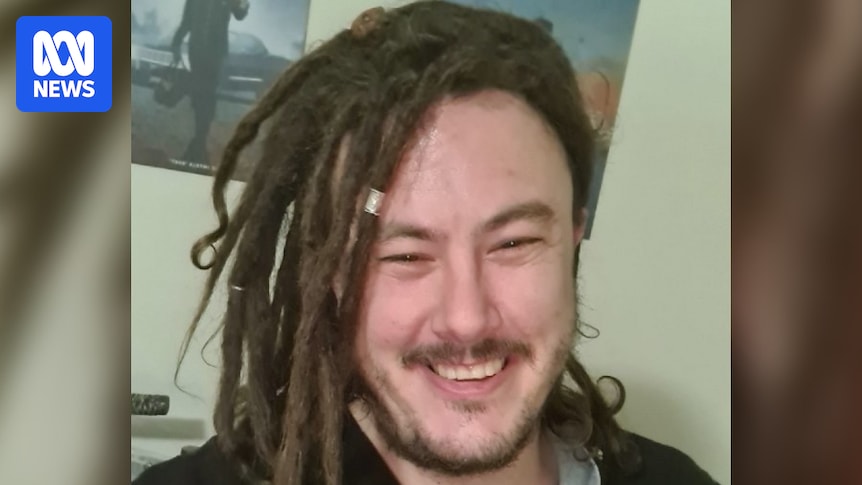



A prominent white nationalist has distanced himself from Australia’s most vocal neo-Nazi organization in a bid to secure bail after allegedly calling for the “rhetorical rape” of a federal politician. Joel Davis, 30, claims his remarks were a “philosophical term of art” directed at independent MP Allegra Spender, who had criticized the National Socialist Network (NSN) for a rally outside the New South Wales parliament.
Davis, a key Sydney ally of NSN leader Thomas Sewell, was charged in November for a social media post that prosecutors say incited hate and abuse towards Spender. In court today, Davis noted that the NSN voluntarily disbanded this week ahead of new federal legislation targeting hate groups.
Davis’s Court Appearance and Bail Plea
During his appearance at the Downing Centre Local Court, Davis stated, “I’m no longer a member, and I never will be a member. If they hadn’t disbanded, I would have left anyway in anticipation of the new legislation.” He argued that this change in affiliation should support his bail application after nearly two months in custody.
His lawyer, Sebastian De Brennan, emphasized the need for Davis’s release to assist his partner with family responsibilities and to participate in a program aimed at improving his decision-making. “While unsavoury and unpalatable, the alleged tweet was not reason enough to hold Davis on remand for months,” De Brennan argued.
Legal Arguments and Philosophical Defense
De Brennan contended that the term “rhetorical rape” was used to denote robust debate, not to incite actual violence. “A reasonable inference would be that Davis was not encouraging or inciting anyone to embark on what might be construed as real rape,” he explained.
However, the crown prosecutor countered that the post transcended academic discourse and incited Davis’s followers, some of whom interpreted it as a call to literal violence. “It wasn’t a spur of the moment response in anger. I would suggest it was a careful, political phrase,” the prosecutor argued.
Historical Context and Legal Precedents
This case unfolds against a backdrop of increasing scrutiny on hate groups in Australia. The NSN, known for its extremist views and activities, has been under investigation as the government moves to strengthen legislation against such organizations. The disbandment of NSN marks a significant moment in this ongoing battle against hate speech and extremist ideologies.
Historically, courts have grappled with the balance between free speech and hate speech, often weighing the potential for harm against the right to express controversial views. Davis’s case is the latest in a series of legal challenges testing these boundaries.
Implications and Future Developments
The magistrate ultimately dismissed Davis’s bail application, citing his failure to demonstrate a significant change in circumstances since a previous bail refusal. Davis has now been denied bail three times in as many months and faces charges of using a carriage service to menace, harass, or offend.
As the legal proceedings continue, this case highlights the complexities of addressing hate speech in the digital age. The outcome may set a precedent for how similar cases are handled in the future, particularly as new legislation comes into effect.
Meanwhile, the broader implications for hate groups in Australia remain significant. The government’s efforts to clamp down on extremist organizations could lead to further disbandments and legal actions, reshaping the landscape of far-right activism in the country.
Stay informed with the latest developments by downloading the 9NEWS app, available on the Apple App Store and Google Play.