


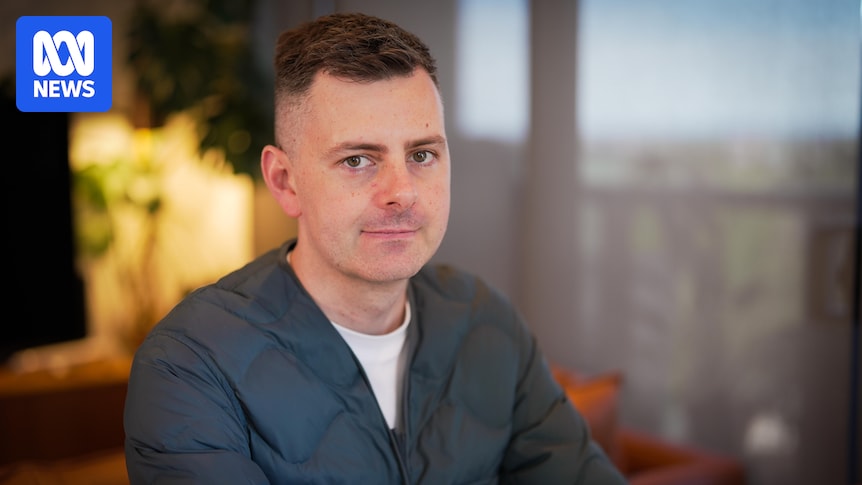
Since joining the National Disability Insurance Scheme (NDIS), Heath Worton has experienced improved interactions with medical professionals, legal advisors, and tradespeople, thanks to funding for Auslan interpreters. Born profoundly Deaf, Worton has never been able to hear or speak. However, earlier this year, he was shocked to learn that his NDIS funding for interpreters had been significantly reduced.
Worton, 40, has always communicated using Australian Sign Language (Auslan), his primary language. In February 2022, his NDIS plan included $31,507 annually for two years, covering up to 208 hours of Auslan interpreting. This support allowed him to engage fully in activities like doctor’s appointments, theater visits, and social events. However, his new plan reduced interpreting hours to 100, with only $13,674 allocated for these services. Concurrently, funding for audiology and speech therapy increased from $3,879.80 to $4,850, despite Worton never expressing a desire for speech therapy.
Systemic Challenges in Deaf Communication
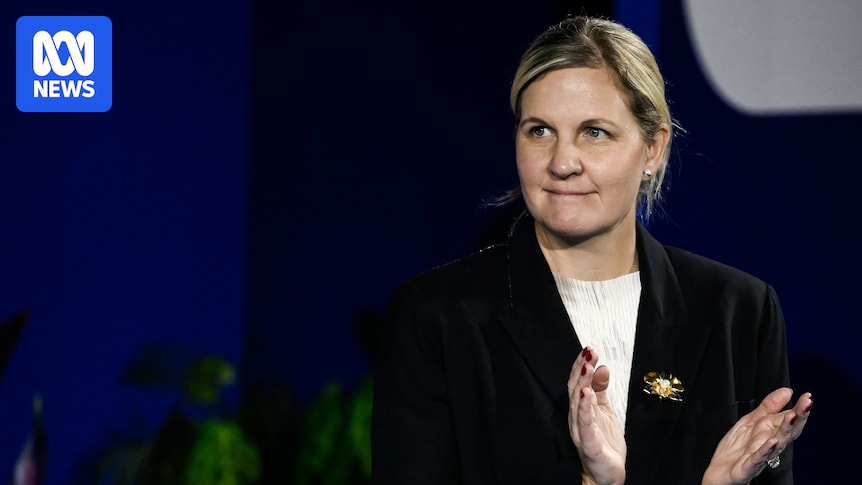
Catherine Dunn, a senior advisor at Deaf Connect, highlighted that many individuals who prefer Auslan face challenges with the National Disability Insurance Agency (NDIA), which oversees the NDIS. “This situation reflects a systemic view of Deafness as something needing a cure,” she stated.
Deaf individuals communicate in various ways, including sign language, lip-reading, and assistive technology. For Worton, Auslan is not just a language; it is a cultural and personal identity. Earlier this year, he appealed to the Administrative Review Tribunal (ART) to contest his funding cuts. During this process, internal NDIA documents acknowledged his preference for Auslan but recommended exploring “other communication methods.”
“This has the potential to significantly increase his communication partners and support his goal of greater independence,” the NDIA’s advice suggested.
Debate Over Communication Methods
Ms. Dunn, who is also Deaf and an Auslan user, emphasized the importance of allowing NDIS participants to choose their communication methods. “The NDIS was set up to empower participants to live independently and select communication options that best suit them,” she remarked.
An NDIA spokesperson mentioned that a speech pathologist could assist Worton in exploring assistive technology. The agency’s guidelines indicate that speech therapists can help participants develop skills to process spoken, non-spoken, and signed information.
Kathryn McKinley, president of Speech Pathology Australia, noted that speech pathologists aim to support communication in the most effective way for each individual. “Auslan is a complete, rich, visual language used by the Deaf community in Australia and is not a lesser communication option compared to spoken language or devices with speech output,” she explained.
Worton questioned whether NDIS planners had adequate Deafness awareness training. “Perhaps they’ve worked with one Deaf person and think all Deaf people are the same,” he suggested.
Pressure on NDIS and Broader Implications
According to the latest NDIS quarterly report, nearly 30,000 participants listed “hearing impairment” as their primary disability, making it the fifth most common disability in the scheme. Participants nationwide have reported plan cuts, often feeling misunderstood by NDIA staff.
The federal government is under pressure to curb NDIS growth, projected to cost $52 billion this financial year. Various cost-saving measures, including strict funding usage lists, have been implemented. NDIA documents regarding Worton’s plan indicated that new supports would be “more cost-effective than funding ever-increasing hours of Auslan interpreting.”
“Years of speech therapy won’t give me any meaningful access to my community,” Worton argued.
Despite the cuts, Worton continues to receive some funding for interpreting services. However, he has had to ration his appointments and social outings with interpreters. Friends even offered to cover interpreter costs for their wedding so he could attend.
Worton remains steadfast in his identity. “I’m so proud of my Deafness,” he declared.
As Worton awaits the outcome of his appeal, the broader debate over communication methods and funding within the NDIS continues to unfold, highlighting the need for a more inclusive understanding of Deaf culture and communication preferences.