



Russian drones and missile strikes hit Kharkiv on Monday, disrupting power to 80% of Ukraine’s second-largest city and its surrounding region. The attacks targeted residential buildings, a school, and a kindergarten, according to local officials. Regional governor Oleh Syniehubov reported two injuries in a video posted on Telegram, while Mayor Ihor Terekhov noted that an “energy site” was specifically targeted as temperatures plunged to -14°C overnight.
The capital, Kyiv, has also endured three significant air assaults since the New Year, resulting in widespread power and heating outages affecting hundreds of buildings. Janine di Giovanni, a war correspondent and executive director of the Reckoning Project, suggested that Russian President Vladimir Putin is deliberately “weaponising the savage eastern European winter.”
NATO’s Concerns and Support
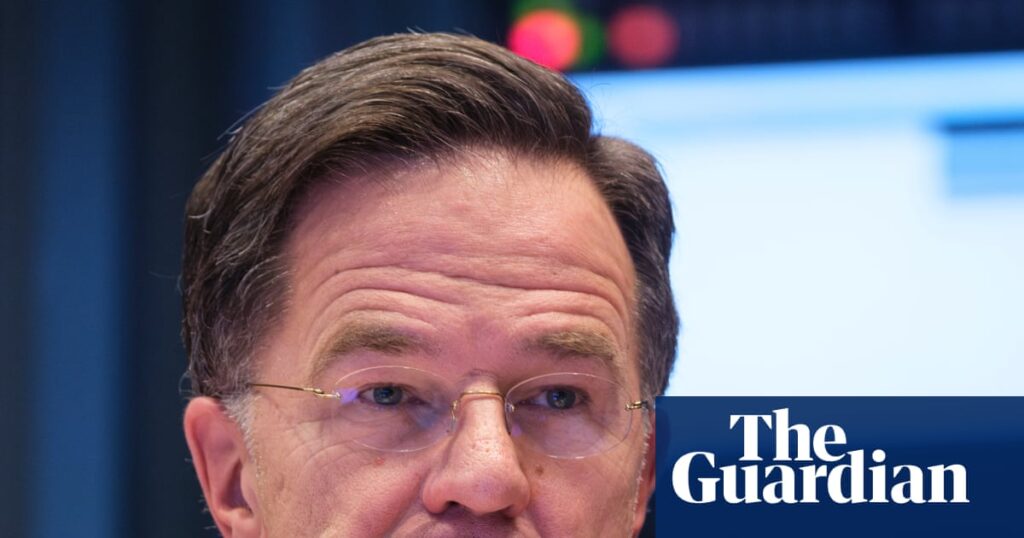
NATO Secretary General Mark Rutte has issued a stark warning that Ukraine is facing its “harshest winter” in over a decade. Addressing the European Parliament on Monday, Rutte urged lawmakers to be flexible with EU funds to support Ukraine and praised France for seizing a suspected shadow fleet tanker, a move aimed at disrupting Russia’s war funding mechanisms.
Rutte emphasized NATO’s ongoing support for Ukraine, highlighting the provision of US military equipment worth billions of dollars. He acknowledged Ukraine’s aspirations to join NATO but noted that political opposition from some member states makes it unlikely in the near term. “Putin would love” a European alternative to NATO without the US, Rutte remarked, dismissing such a notion.
“Ukraine’s security, I think we all know, is also our security,” Rutte stated, underscoring the interconnected nature of European and Ukrainian stability.
Impact and International Reactions
In Kryvyi Rih, the hometown of Ukrainian President Volodymyr Zelenskyy, Russian drones struck a high-rise apartment building, igniting a fire. The head of the city’s military administration, Oleksandr Vilkul, confirmed that residents were safely evacuated. Reports of these incidents remain unverified by independent sources, and Russian officials have yet to respond.
Meanwhile, another Russian attack damaged parts of the Kyiv Pechersk Lavra, a UNESCO World Heritage site and Ukraine’s most renowned religious landmark. The overnight assault on Saturday left “damage to doors and window frames,” according to Ukraine’s culture ministry. The site, considered the spiritual center for Orthodox Christians, was added to UNESCO’s endangered landmarks list in 2023 due to the ongoing conflict.
Global Implications and Historical Context
The ongoing conflict in Ukraine has drawn parallels to historical military engagements where harsh winters played a pivotal role, such as Napoleon’s 1812 Russian campaign and the German invasion during World War II. The strategic use of winter conditions as a weapon highlights the complex interplay between natural elements and military tactics.
In a related development, North Korean leader Kim Jong-un visited the Mansudae art studio to oversee sculptures commemorating North Korean soldiers who died in Ukraine. Under a 2024 mutual defense pact with Russia, North Korea deployed approximately 14,000 soldiers to Ukraine, with over 6,000 casualties reported by South Korean, Ukrainian, and Western sources. Kim has consistently praised the troops’ “heroism” and is personally involved in creating a memorial for the fallen soldiers.
“Convey forever the legendary feats … of admirable sons of the DPRK,” Kim stated, as reported by state media KCNA.
The announcement comes as international diplomatic efforts continue to seek a resolution to the conflict. Rutte emphasized the importance of US-led peace talks aiming for a peace deal or a long-term ceasefire, acknowledging the sensitive issue of territorial compromises with Russia. He denied any US attempts to leverage security guarantees for Ukraine in negotiations with NATO regarding Greenland.
As the harsh winter deepens, the resilience of Ukrainian infrastructure and the international community’s response will be critical in shaping the conflict’s trajectory. The humanitarian and geopolitical stakes remain high, with the potential for further escalation or resolution in the coming months.