



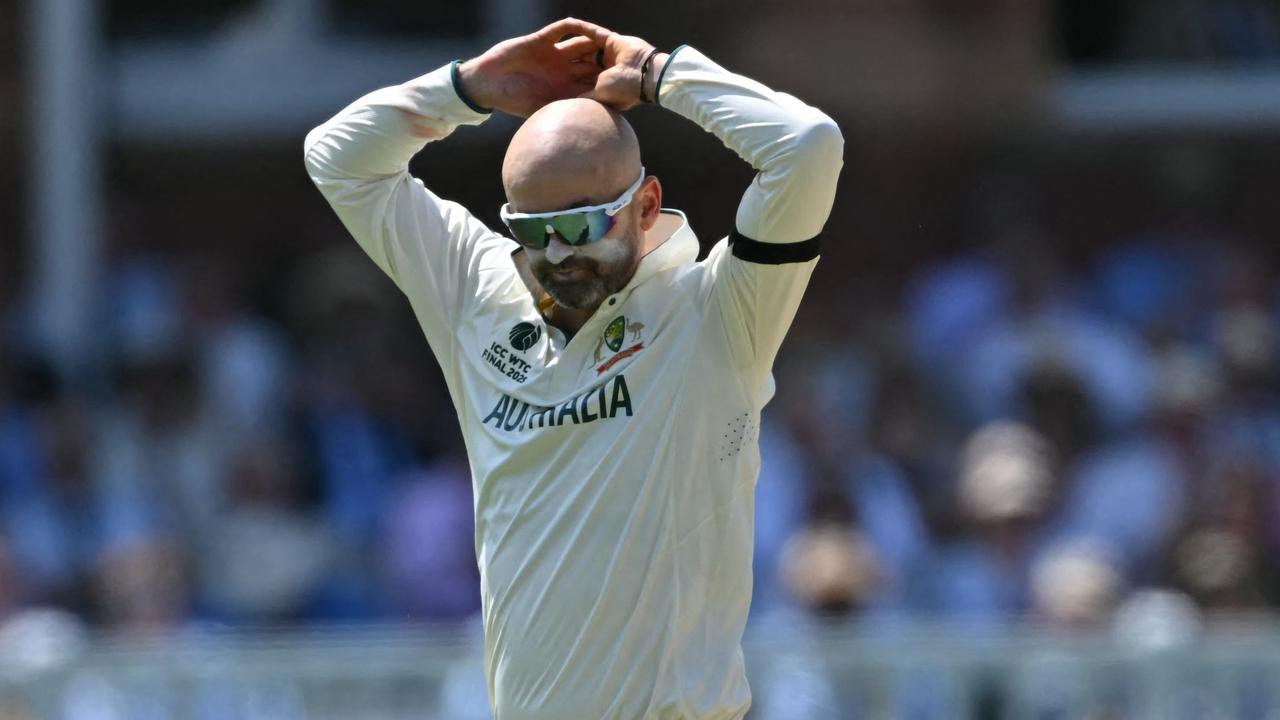
Test spin star Nathan Lyon has firmly dismissed any discussions of retirement among Australia’s seasoned bowling quartet, countering claims from cricket legend Steve Waugh that selectors are hesitant to make the difficult decisions necessary for the national team’s transition. Lyon, 37, alongside Mitchell Starc, Josh Hazlewood, and Pat Cummins, remains integral to Australia’s bowling lineup, all ranking in the top 10 for most Test wickets by Australian bowlers.
Despite their impressive records, questions linger about the longevity of their careers at the highest level and whether the next generation of bowlers is being adequately prepared. The legendary Shane Warne retired at 37, but Lyon insists that advancements in sports science allow modern cricketers to extend their careers.
“The game has totally changed,” Lyon stated. “The game is a lot more professional than what it was even 10 years ago when I started. The science behind it all, the recovery, the way that players and the athletes look after themselves and the work they do outside hours to make sure they’re putting hours in to get their bodies right have all improved.”
Retirement Talks Dismissed
Lyon, along with his fellow bowlers, is focused on helping Australia retain the Ashes this summer, with retirement discussions notably absent from their conversations. “As soon as you start talking about retirement, it’s going to come around a lot quicker,” Lyon remarked. “I haven’t thought about retirement or spoken about retirement, and I know ‘Starcy’ hasn’t done that, and I know that Josh and Pat haven’t either.”
The quartet’s commitment to their roles is evident, as Lyon emphasized their shared passion for playing cricket for Australia and winning Test matches. Meanwhile, captain Pat Cummins is optimistic about the emerging talent ready to step up when needed.
Preparing the Next Generation
While the current Test attack has remained largely unchanged for several years, Cummins assures that the next crop of bowlers is being groomed for future challenges. Scott Boland has proven his capabilities in red-ball games, and several emerging quicks have impressed in domestic competitions and international tours.
“It’s something we talk about as coaches and selectors,” Cummins said. “White-ball cricket is where a lot of these opportunities come through in and amongst the Shield. We feel like there have been lots of guys who have been in and around the Aussie set-up who are well placed to step in when needed.”
This proactive approach is crucial given the aging squad for the Ashes, a point highlighted by former captain Steve Waugh, who criticized chief selector George Bailey for allegedly avoiding tough selection decisions.
Selector Decisions Under Scrutiny
Waugh’s comments have sparked debate, but Lyon disagrees with the notion that selectors are reluctant to make hard calls. He cited his own experience of being dropped for a Test in the West Indies as evidence of the selectors’ willingness to make difficult decisions.
“I had a really hard conversation with Tony Dodemaide, Andrew McDonald, and Pat regarding that last Test match, so I don’t necessarily agree with that,” Lyon said. “I feel like the selectors at the moment within the current set-up have been really clear with their messages and they’re willing to make hard calls.”
The communication between players, coaches, and selectors is strong, Lyon emphasized, which is vital for the team’s cohesion and success.
All-Rounder Cam Green’s Role
Meanwhile, Cummins addressed the potential role of all-rounder Cam Green in the upcoming matches. Green, who is expected to bowl 15-20 overs for Western Australia in the Sheffield Shield, could be selected as a specialist batter in Perth, depending on his fitness to contribute with the ball.
“It’d be great if he can bowl because he’s an all-rounder and is a huge asset whenever he can bowl,” Cummins noted. “But I don’t think it’s the most important thing in the world. In the West Indies, he played but couldn’t bowl and we worked around that.”
As the Australian cricket team navigates these challenges, the focus remains on maintaining their competitive edge while preparing for a seamless transition to the next generation of talent.