




NASA is preparing to execute its first-ever medical evacuation of an astronaut from the International Space Station (ISS) due to an undisclosed health issue, officials from the agency announced. This unprecedented move will see the astronaut return to Earth in the coming days, marking the first time NASA has cut short a crewed mission in space for medical reasons.
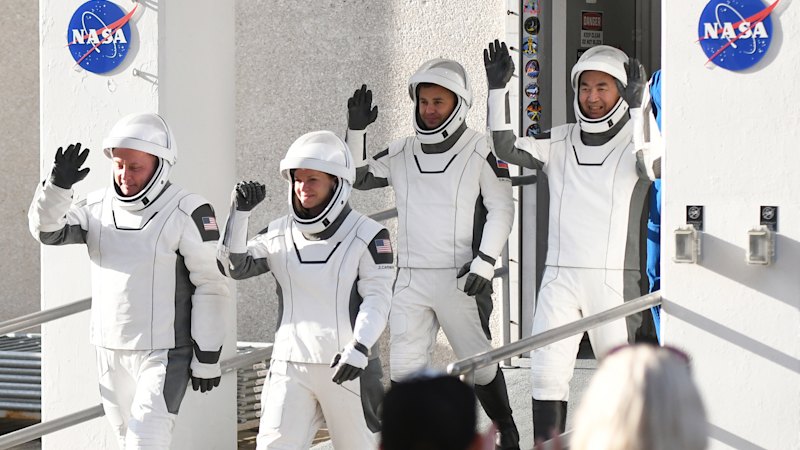
Dr. James Polk, NASA’s chief health and medical officer, assured reporters that the astronaut’s condition is stable. “We’re not immediately disembarking and getting the astronaut down, but it leaves that lingering risk and lingering question as to what that diagnosis is,” he stated. The astronaut will be returning with the Crew-11 team, which includes NASA astronauts Zena Cardman and Mike Fincke, Japan Aerospace Exploration Agency’s Kimiya Yui, and Roscosmos cosmonaut Oleg Platonov. Originally launched in August, their mission was scheduled to last six months; however, the emergency return will cut more than a month from their planned stay.
Background and Implications
The decision to bring the astronaut home early follows NASA’s abrupt postponement of a planned January 8 spacewalk due to the health concern. “The capability to diagnose and treat this properly does not live on the International Space Station,” explained NASA administrator Jared Isaacman. “And I think there’s pretty broad agreement across our experts here on the ground, as well as the crew members in space.”
While NASA has not disclosed the identity of the astronaut or the specific medical condition, citing privacy reasons, Dr. Polk clarified that the ailment was not related to any operations on the space station. “This was not an injury that occurred in the pursuit of operations,” he emphasized.
Operational Adjustments and Future Missions
In response to the Crew-11 early return, NASA and SpaceX are expediting the launch of the next crewed mission, Crew-12, to the ISS. Initially scheduled for February 15, the launch date may be advanced to ensure a seamless transition of operations on the station. Typically, NASA prefers to have new astronauts arrive before the current crew departs to facilitate a handover of responsibilities.
With the departure of Crew-11, the ISS will temporarily host two Russian cosmonauts and a single NASA astronaut, Christopher Williams, until Crew-12 arrives. “Chris is trained to do every task that we would ask him to do on the vehicle,” said Amit Kshatriya, NASA’s associate administrator, underscoring the preparedness of the remaining crew.
Historical Context and Expert Opinions
This development is a significant milestone in space exploration, highlighting the complexities and challenges of maintaining health in space. Historically, space agencies have meticulously planned missions to avoid medical emergencies, but this incident underscores the unpredictability of human health in space environments.
Experts in aerospace medicine are closely monitoring the situation, as it could set precedents for future missions. The ability to safely evacuate astronauts in medical emergencies is critical as space agencies and private companies look toward longer missions, including those to the Moon and Mars.
Looking Ahead
The Crew-11 medical evacuation will likely lead to a thorough review of NASA’s medical protocols and emergency procedures. As the agency prepares for more ambitious missions, including the Artemis program aimed at returning humans to the Moon, ensuring astronaut safety remains paramount.
As NASA navigates this complex situation, the space community and the public will be watching closely, eager to see how the agency handles this unprecedented challenge and what it means for the future of human space exploration.